
 Nigeria’s Independent National Electoral Commission (INEC) has flagged 268 voter records over suspected artificial intelligence-generated photographs and other irregularities.
The discovery has triggered fresh concerns about the integrity of Nigeria’s voter register ahead of the 2027 general elections.
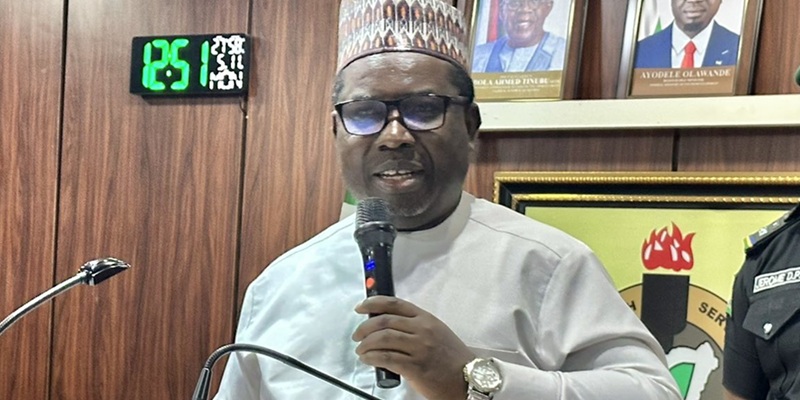
INEC’s Director of Information and Communication Technology, Lawrence Bayode, disclosed the development during an appearance on Channels Television’s Sunday Politics.
He explained that the commission’s Automated Biometric Identification System (ABIS) identified the questionable records for further examination.
According to Bayode, INEC has begun reviewing the affected entries and removing records confirmed to contain irregularities.
However, he clarified that photographs enhanced using AI applications would not automatically disqualify registered voters.

How INEC Discovered the Suspected AI Photographs
The controversy emerged after INEC published its preliminary Register of Voters online on October 26, 2026.
Screenshots subsequently circulated on social media, showing suspicious photographs attached to some voter records.
Some of the questioned entries were reportedly linked to parts of Edo State.
The images prompted Nigerians to question how potentially artificial photographs entered a database used for electoral administration.
Other concerns included alleged duplicate registrations, names of deceased individuals, and complaints about missing voter information.
The controversy intensified demands for INEC to explain its verification procedures and strengthen safeguards against electoral fraud.

INEC Identifies Possible Registration Irregularities
Bayode previously explained that some questionable records appeared to have been introduced through registration officers with access to the commission’s registration systems.
He said some officers allegedly used their official login credentials to introduce irregularities into the database.
The commission also identified possible misuse of a special registration procedure designed for people with disabilities affecting their fingers.
That procedure accommodates eligible applicants who have incomplete fingers or no fingers.
According to Bayode, some individuals allegedly exploited this provision to create questionable voter profiles.
However, the commission has not publicly established the identities of everyone responsible or the motives behind the irregularities.

The investigation will need to determine how the records were created and whether individual officials or applicants breached electoral procedures.
INEC Explains Its Position on AI-Enhanced Photographs
INEC has emphasised that AI-enhanced photographs are not automatically grounds for removing voters from the register.
Bayode distinguished between genuine photographs improved using AI applications and images generated entirely through artificial intelligence.
He said voters whose genuine photographs were merely enhanced would not be excluded for that reason alone.
However, photographs confirmed to have been generated artificially would be removed through the commission’s review process.
The distinction is important because AI enhancement does not necessarily mean that a person’s identity is fabricated.
INEC must therefore verify questionable records carefully before making decisions that could affect eligible voters.
INEC Says the Voter Register Is Not Yet Final
The commission previously clarified that the online register was a preliminary document rather than the final certified version.
According to INEC, the same preliminary register was displayed physically at Registration Areas nationwide from October 9 to 15.
The display exercise allowed voters and other stakeholders to identify errors, challenge questionable entries, and request corrections.
INEC explained that the online publication did not reflect all the data-cleanup activities already underway.
The commission has pledged to complete verification, adjudication, and data-cleanup procedures before certifying the final Register of Voters.
Certification is scheduled for December 15, 2026.
Kwankwaso, Utomi and Obidient Movement Demand Accountability
The discovery has attracted criticism from political figures and civil society stakeholders.
Rabiu Kwankwaso, the Nigeria Democratic Congress vice-presidential candidate, called for a thorough and transparent investigation.
He urged INEC to publish its findings and ensure that anyone found responsible faces appropriate consequences.
Political economist Pat Utomi also questioned the commission’s verification procedures and accountability mechanisms.
Meanwhile, Moses Paul, national coordinator of the Obidient Movement, demanded an explanation for the appearance of suspected AI-generated photographs.
These reactions reflect wider concerns about the credibility of the voter register before the next general election.
SERAP Calls for an Independent Investigation
The Socio-Economic Rights and Accountability Project (SERAP) has urged President Bola Tinubu to direct the Nigeria Data Protection Commission to investigate the reported irregularities.
In a letter dated October 31, SERAP requested an independent examination of the affected records and relevant systems.
The organisation wants investigators to determine whether personal information was unlawfully accessed, altered, or compromised.
It also called for accountability where violations are established and stronger safeguards against future manipulation.
SERAP warned that errors or unauthorised alterations could undermine confidence in the electoral process and expose eligible voters to wrongful exclusion.
The organisation further argued that affected Nigerians must have accessible opportunities to verify and correct their records.
What the Discovery Means for the 2027 Elections
The controversy presents an important test for INEC as preparations continue for the 2027 general elections.
An accurate voter register is essential for credible elections and public confidence in democratic institutions.
However, removing suspicious entries without proper verification could also disenfranchise legitimate voters.
INEC must therefore establish which records are fraudulent, correct genuine errors, and protect eligible citizens’ voting rights.
The commission will also need to explain how questionable records entered the database and what safeguards will prevent similar incidents.
For now, the 268 flagged records remain under review, and the full findings have yet to be publicly established.
The outcome of the investigation could influence public confidence in Nigeria’s electoral preparations.
This Dawn News will continue monitoring INEC’s investigation and subsequent developments ahead of the December certification deadline.