
 Nigeria’s electricity crisis has triggered a fresh political confrontation between the ruling All Progressives Congress (APC) and the African Democratic Congress (ADC).
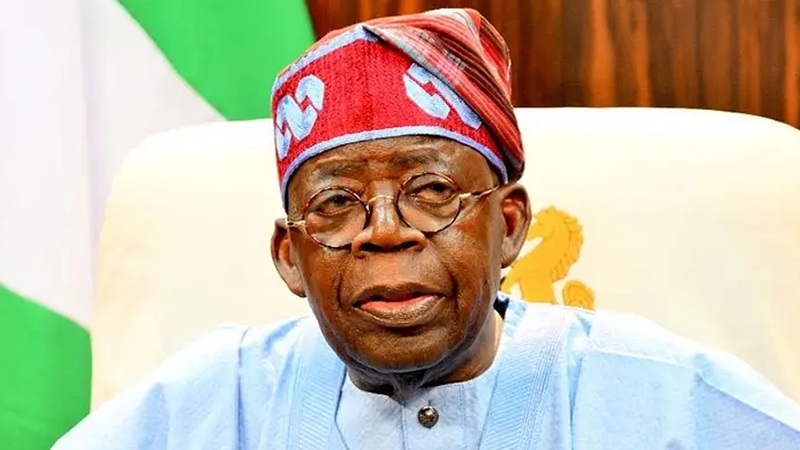
The disagreement followed renewed criticism of President Bola Tinubu’s 2023 campaign promise to improve electricity supply.
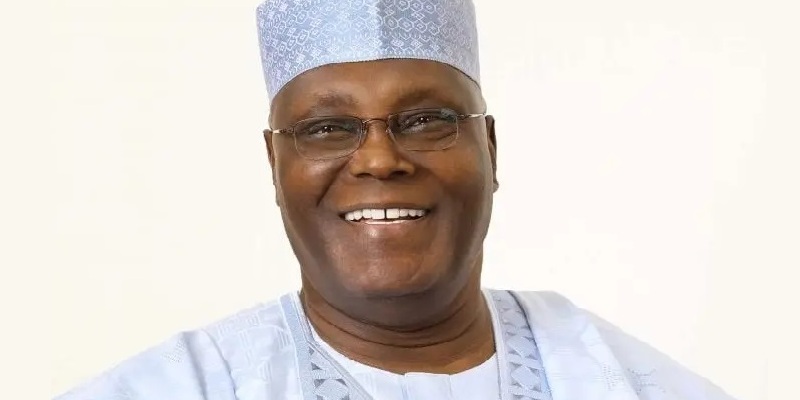
Former Vice President Atiku Abubakar accused the administration of failing to provide Nigerians with reliable electricity.
However, the APC Presidential Campaign Council defended the President’s record, insisting that electricity reforms remained ongoing.
The disagreement has placed electricity supply, consumer protection, and government accountability at the centre of political discussions ahead of the 2027 elections.
What Tinubu and APC Promised Nigerians
During his 2023 presidential campaign, Tinubu promised to address Nigeria’s electricity challenges.

Speaking to members of the Organised Private Sector in Lagos, he pledged to improve electricity supply and end estimated billing.
He reportedly told Nigerians they should not re-elect him if he failed to fulfil his commitment without providing adequate explanations.
The promise has returned to public debate as households and businesses continue experiencing unreliable electricity.
Many consumers also face rising electricity costs and increasing dependence on generators and alternative energy sources.
APC Defends Tinubu’s Electricity Record
The APC Presidential Campaign Council defended Tinubu’s performance through its spokesperson, Dele Alake.
Alake argued that critics were quoting the President’s campaign promise without considering its complete context.

He maintained that Tinubu had promised to explain any shortcomings before seeking another presidential term.
The council also insisted that addressing Nigeria’s electricity challenges required substantial investments and long-term infrastructure development.
According to the APC, the administration had introduced several reforms since assuming office in May 2023.
These include the Electricity Act 2023, which allows states to establish electricity markets and regulate power activities within their jurisdictions.
Alake also highlighted the Presidential Metering Initiative, designed to address Nigeria’s substantial shortage of electricity meters.
He claimed that more than 1.5 million customers had received meters under the initiative.

The council further disclosed that the government inherited over ₦6 trillion in legacy debts across the electricity sector.
It said a ₦4 trillion bond programme was introduced to settle verified obligations owed to electricity generation and gas companies.
The administration also cited investments in transmission infrastructure and plans to modernise important national grid facilities.
Atiku Accuses Tinubu of Breaking His Promise
Atiku Abubakar rejected the APC’s defence, insisting that Nigerians were yet to experience meaningful improvements.
In a statement issued on November 1 through his spokesperson, Phrank Shaibu, Atiku criticised the administration’s electricity performance.
He argued that legislation, committees, bond programmes, and project announcements could not replace reliable electricity.
According to Atiku, Nigerian households and businesses continue struggling with inadequate power supply despite the President’s campaign commitments.
He also criticised the rising cost of electricity and the continued use of estimated billing.
Atiku maintained that consumers should not pay increasingly expensive bills without receiving dependable electricity.
He described the government’s explanations as insufficient and demanded accountability for the President’s earlier promises.
ADC Proposes Abolishing Five-Band Electricity Tariff System
The ADC presidential candidate also proposed abolishing Nigeria’s existing five-band electricity tariff structure.
He argued that the current arrangement placed additional financial pressure on households and businesses.
The party wants a more affordable and transparent electricity pricing framework.
It also called for stronger accountability from electricity distribution companies regarding the quality of services delivered to consumers.
The proposal comes amid continuing complaints about electricity tariffs and inconsistent supply across different parts of Nigeria.
Atiku further questioned the implications of the proposed removal of electricity subsidies from 2027.
He demanded clarity on how the policy would affect household electricity bills and business operating costs.
Electricity Subsidies and New Tax Concerns
The ADC also raised concerns about the possible financial implications of additional energy-related taxes.
It specifically referenced the five per cent surcharge under the Nigeria Tax Act on certain fossil fuels, including petrol and diesel.
According to the opposition campaign council, additional energy costs could worsen the financial difficulties facing Nigerian households.
Small businesses remain particularly vulnerable because many depend on generators to maintain daily operations.
The party argued that electricity reforms must deliver measurable improvements rather than additional financial obligations for consumers.
What the Disagreement Means for Nigerians
The confrontation highlights the growing importance of electricity supply in Nigeria’s political debate.
Reliable power remains essential for manufacturing, education, healthcare, transportation, and small businesses.
Although the government has introduced several reforms, consumers continue demanding affordable and dependable electricity.
The APC insists that its policies will gradually transform the sector.
Meanwhile, the ADC argues that Nigerians should judge the administration through actual electricity supply rather than announcements.
As the 2027 elections approach, the electricity debate could become an important issue for voters.
Ultimately, Nigerians will expect political parties to provide practical solutions to the country’s persistent power challenges.