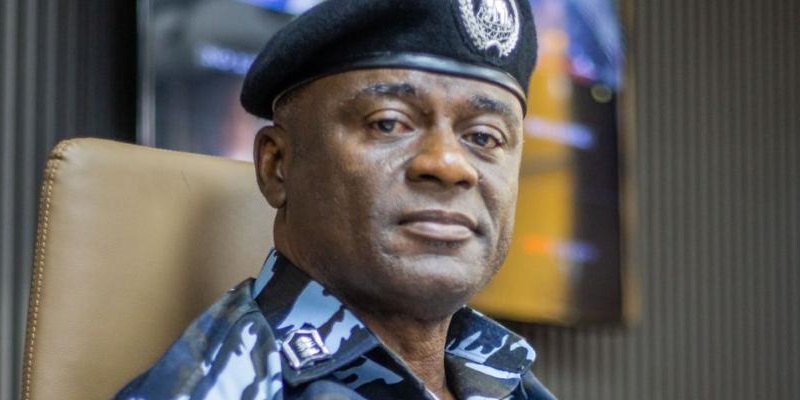

 The Inspector-General of Police, Olatunji Rilwan Disu, has urged Nigerian hospitals to treat gunshot victims immediately.
He warned healthcare professionals against demanding police reports before providing emergency medical attention.
Disu delivered the message in a public-service video released by the Nigeria Police Force on Thursday.
He described the treatment of gunshot victims as a matter of life and death.
The police chief specifically appealed to doctors, nurses and other healthcare professionals nationwide.
He urged them to prioritise saving lives rather than allowing administrative procedures to delay emergency treatment.

“When a gunshot victim is brought to any hospital, the law does not require a police report before treatment,” Disu said.
He emphasised that hospitals must provide immediate medical attention regardless of police documentation.
IGP Assures Nigerians Of Protection When Helping Victims
Disu also addressed Nigerians who might hesitate to assist injured people during emergencies.
He assured members of the public that helping gunshot victims would not attract punishment.
The police chief encouraged citizens to assist injured persons and ensure their transportation to nearby hospitals.
He explained that the police’s responsibility was protecting lives rather than creating fear.

“Our duty is not to create fear but to protect lives,” he said.
He also urged police officers and medical personnel to uphold the law.
Disu concluded his message with a direct appeal: “Treat first, save lives.”
What The Gunshot Victims Treatment Act Provides
The Inspector-General’s message reinforces the Compulsory Treatment and Care for Victims of Gunshots Act, 2017.
The legislation was introduced to prevent avoidable deaths caused by delayed or refused medical treatment.
Section One expressly requires every public and private hospital to receive gunshot victims.

Hospitals must provide immediate and adequate treatment, regardless of police clearance.
The provision also prohibits making emergency treatment conditional upon an initial monetary deposit.
This means hospitals cannot lawfully demand police reports before treating patients with gunshot wounds.
Section Two places additional responsibilities on members of the public and security personnel.
It requires everyone to assist gunshot victims and facilitate transportation to the nearest hospital.
The legislation also prohibits subjecting victims to torture or degrading treatment.
Hospitals Must Notify Police Within Two Hours
Although police clearance is unnecessary before treatment, hospitals retain specific reporting obligations.
Section Three requires hospitals to notify the nearest police station within two hours.
The notification period begins when medical treatment commences.
This requirement allows investigations to proceed without compromising emergency medical attention.
Upon receiving notification, police officers must immediately investigate the circumstances surrounding the shooting.
However, Section Four establishes an additional protection for injured patients.
Police cannot invite victims for questioning until medical authorities certify their fitness.
The hospital’s Chief Medical Director must confirm that the patient no longer requires urgent medical attention.
These provisions ensure investigations do not interfere with patients’ recovery.
Penalties For Violating The Law
The 2017 legislation prescribes penalties for hospitals and individuals who violate its provisions.
Section Five addresses hospitals that fail to notify police within the statutory period.
Such hospitals face a ₦100,000 fine upon conviction.
Doctors directly responsible may also face imprisonment, fines, or both.
Section Nine provides imprisonment ranging from five to fifteen years for certain offences.
This applies where violations cause substantial physical, mental, emotional or psychological damage.
Section Eleven addresses authorities or individuals who neglect their statutory responsibilities.
It provides penalties where such negligence results in a gunshot victim’s unnecessary death.
Convicted offenders face a ₦500,000 fine, five years’ imprisonment, or both.
The Act also provides for restitution to victims through court orders.
Renewed Call For Hospitals And Police To Uphold The Law
Disu’s latest intervention reinforces an existing legal obligation across Nigeria’s healthcare system.
Despite the legislation, concerns have persisted over delays involving police clearance requirements.
Such delays can have devastating consequences for victims requiring urgent medical intervention.
The Inspector-General’s message therefore seeks to strengthen public awareness and encourage compliance.
Hospitals must prioritise emergency treatment while fulfilling their subsequent statutory obligations.
Members of the public should assist injured persons without unnecessary fear or hesitation.
The central message remains straightforward: saving lives must come before administrative procedures.