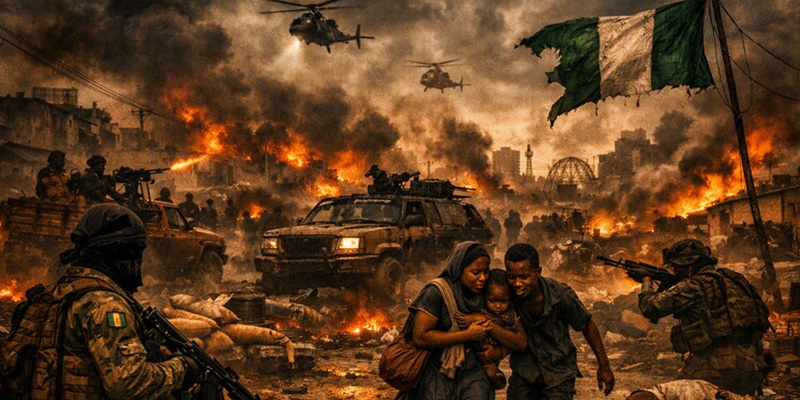
TD Enugu, Eastern Nigeria — The International Society for Civil Liberties and Rule of Law (InterSociety) has issued a strongly worded statement warning that Nigeria is sliding into a dangerous trajectory reminiscent of Somalia and Afghanistan.

According to the group, the combination of political intolerance, religiously motivated violence, and systemic electoral manipulation is pushing the country toward instability, clan warfare, and democratic collapse.
Nigeria’s Democratic Crisis
InterSociety argues that Nigeria, once a peer of countries like Singapore, Malaysia, and South Korea in the 1960s and 1970s, has been left far behind due to poor governance and divisive politics.
The group warns that the country’s political and religious actors are steering it into “primitive Sultanates and endless clan warfare,” a scenario that mirrors the chaos of Somalia and Afghanistan.
Central to their concerns is the credibility of the Independent National Electoral Commission (INEC) under its current chairman, Professor Joash Ojo Amupitan, SAN.
Since his appointment in October 2025, Amupitan has faced relentless attacks from the Nigerian Supreme Council for Islamic Affairs (NSCIA) and allied groups, allegedly because of his Christian faith.
InterSociety claims these attacks are designed to weaken his independence and render him ineffective ahead of the January 2027 presidential election.
The group also highlighted allegations that Amupitan was forced to sign a pre-resignation letter as a condition for his appointment.
This raises doubts about his ability to conduct free and fair elections.
Religious Tensions and Electoral Manipulation
InterSociety points to a disturbing pattern of religiously motivated violence and intimidation.
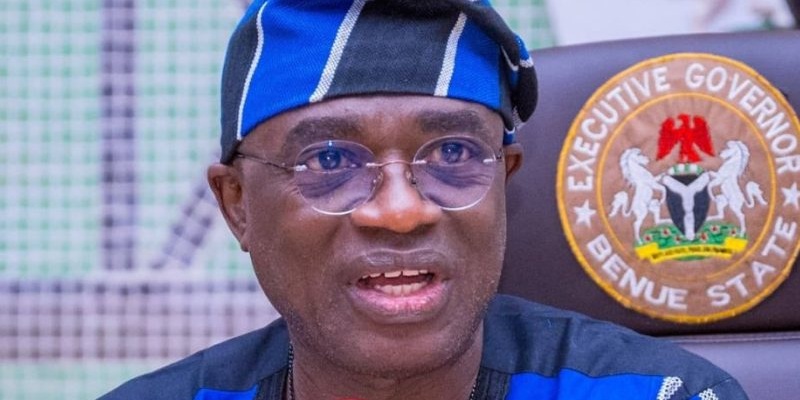
They cite reports of Christian persecution, including mass killings, destruction of churches, and displacement of millions, particularly in Benue State under Governor Hyacinth Alia.
The organization also accuses INEC of systemic disenfranchisement, especially in the South-East and South-South regions.
Millions of registered voters with Permanent Voter Cards (PVCs) are allegedly denied the right to vote due to discrepancies between digital and printed registers.
“The capacity of the INEC Chairman to conduct free, fair, credible and accountable polls is seriously in doubt,” InterSociety stated.
They warned of widespread rigging similar to what was suspected in the 2023 elections.
They further criticized opposition leaders Peter Obi and Atiku Abubakar for focusing on populism and crowd mobilization while failing to hold INEC accountable for these lapses.
Compromised Institutions
The statement singled out INEC’s ICT department in Anambra State as “the most compromised”.
It accused senior officials of forming a “digital poll rigging cabal.”
According to InterSociety, these officials have remained in their posts for years under political protection, allegedly manipulating voter registration and election results.
The group warns that unless these systemic issues are addressed, the 2027 elections will be marred by fraud, disenfranchisement, and violence.
Political Intolerance and Abuse of Power
InterSociety accused several governors of collapsing governance into partisan machinery and orchestrating attacks against opposition figures, particularly Peter Obi of the Nigerian Democratic Congress (NDC).
- Charles Soludo (Anambra): Accused of turning state institutions into instruments of Tinubu’s presidential campaign while neglecting governance.
- Hyacinth Alia (Benue): Allegedly inactive in the face of mass killings of Christians, while mobilizing thugs against opposition campaigns.
- Peter Mbah (Enugu), Francis Nwaifuru (Ebonyi), Monday Okpebholo (Edo), and Hope Uzodimma (Imo): Accused of political intolerance, threats against community leaders, and violent suppression of opposition activities.
InterSociety claims these governors are creating an “axis of political intolerance and poll rigging,” undermining democratic freedoms and civic space.
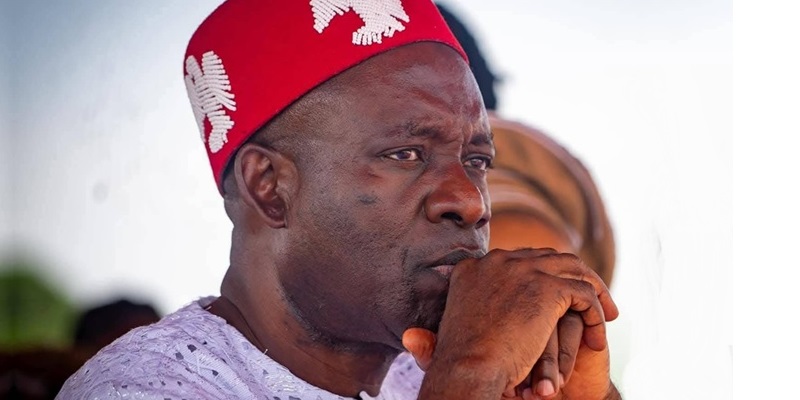
Threat of International Sanctions
In a dramatic escalation, InterSociety warned that it may use its international networks to block these governors from traveling to Europe and the Americas.
“We may be forced to internationally block Nigeria’s Governors Alia, Soludo, Okpebholo, Mbah, Uzodimma and Nwaifuru from traveling to democratic Europe and Americas and show them the way to Somalia and Afghanistan,” the statement declared.
The group said it is compiling names for submission to embassies and high commissions, arguing that leaders who undermine democracy are “morally and diplomatically unfit” to access established democracies.
Implications for Nigeria
The warning underscores the growing fear that Nigeria’s political trajectory is unsustainable.
If unchecked, religious intolerance, electoral manipulation, and political violence could push the country into chaos comparable to Somalia’s clan wars or Afghanistan’s militant rule.
InterSociety’s statement highlights several urgent reforms:
- Adoption of electronic voting alongside manual voting.
- Transparent management of the voter register, including issuance of PVCs to all eligible voters.
- Protection of opposition parties’ rights to campaign freely across all states.
- Accountability for governors and political actors who abuse power or suppress dissent.
Nigeria’s Future Outlook
Nigeria stands at a crossroads.
The January 2027 presidential election is seen as a critical test of the country’s democratic resilience.
Yet, with INEC under siege, opposition leaders distracted, and governors accused of intolerance and violence, the prospects for a free and fair election appear bleak.
InterSociety’s warning is both a call to action and a dire prediction:
“Unless Nigeria reverses course, it risks becoming a failed state, trapped in cycles of violence and authoritarianism.”
The group’s threat to push for international sanctions against governors underscores the seriousness of the crisis and the growing impatience of civil society with Nigeria’s political class.