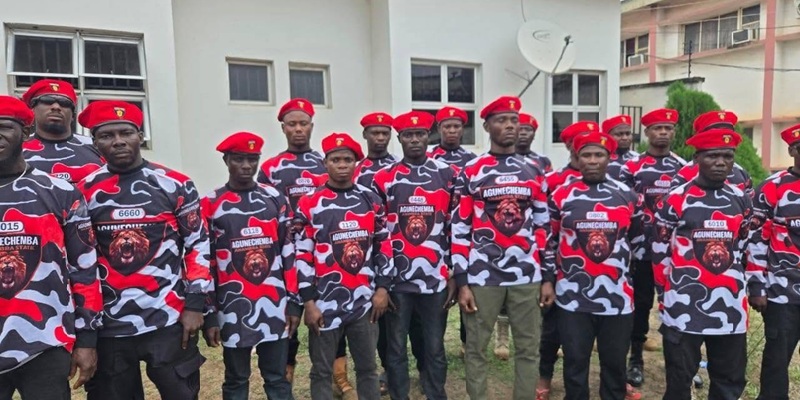
TD Awka, Anambra State — Human rights lawyer and former IPOB counsel, Barrister Ifeanyi Ejiofor, has issued a strongly worded open letter to Governor Charles Chukwuma Soludo respecting the operations of the state security outfit, Agunechemba/Operation Udo Ga‑Achi.

Barrister Ejiofor demanded urgent intervention to restore discipline, legality, and constitutional restraint in the activities of the security outfit.
Allegations of Abuses by Ejiofor
Ejiofor’s letter provides a detailed catalogue of troubling incidents involving Agunechemba operatives in Oraifite and Ekwusigo Local Government Area, raising alarm about what he describes as “rogue operations” that undermine public trust:
-
August 2025 Senatorial Bye‑Election Incident:
Armed operatives allegedly stormed the residence of Oilserv CEO Emeka Okwuosa, firing sporadically for half an hour under false claims that electoral materials were hidden there.
Ejiofor noted that the raid was led by political figures including Vincent Dike, President‑General of the Oraifite Improvement Union, and Ikenna Ofodeme, Majority Leader of the Anambra State House of Assembly, alongside commander Ugochukwu Nnajiofor (“Man Pass Man”).
-
APGA Primary Interference:
During the APGA State House of Assembly primary in Ekwusigo, Ofodeme allegedly entered the venue with armed operatives led by Nnajiofor.
Ofodeme disrupted collation and casting doubt on the integrity of the results.
-
September 14, 2026 Oraifite Operation:
Youths and motorcycle riders were reportedly abducted, with phones and property seized.
Some detainees were allegedly transported to detention facilities in Oba and later Awka, where they were held under harsh conditions.
-
September 16 Audio Recording:
A leaked tape allegedly captured Nnajiofor plotting a diabolical charm attack against Ejiofor.
The tape escalated fears of personal vendetta within the security outfit.
Ejiofor Calls for Investigations
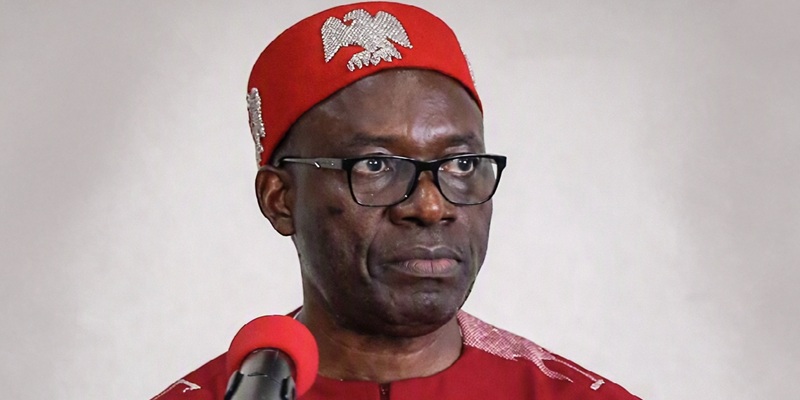
Ejiofor stressed that Agunechemba was established under the Anambra State Homeland Security Law, 2025.
It was to assist police in crime prevention, preserve law and order, and protect lives and property—not to interfere in elections or pursue personal vendettas.
He urged Governor Soludo to:
- Order independent, evidence‑based investigations into the incidents.
- Scrutinize commanders such as Nnajiofor, Ofodeme, and Oraifite PG Vincent Dike.
- Institute professional retraining, legal re‑orientation, and human‑rights sensitisation for all operatives.
- Ensure strict separation of the outfit from political or personal interests.
“Agunechemba must never become an instrument for political mobilisation, electoral intimidation, private enforcement, or personal settlement of scores,” Ejiofor warned.
Preserving Public Trust
Ejiofor acknowledged that many operatives have demonstrated courage and discipline.
He, however, cautioned that isolated acts of indiscipline and political interference could contaminate the institution.
He emphasized that security forces earn legitimacy not only by apprehending criminals but by exercising restraint, transparency, and fidelity to the law.
“The people of Anambra should never be placed in the unenviable position of having to choose between insecurity from criminals and insecurity from those entrusted with combating criminality,” he wrote.
Ejiofor argued that decisive intervention would not weaken Agunechemba but strengthen its legitimacy.
It will also protect the integrity of its genuinely committed personnel and reaffirm the principle that no person—however powerful—is above the law.

Wider Context
The letter comes at a time of heightened political tension as Nigeria approaches another general election.
Community‑based security outfits like Agunechemba have been praised for complementing conventional policing, but critics warn they risk becoming tools of political manipulation if not properly supervised.
Ejiofor’s appeal highlights the broader debate over the role of state‑backed vigilante groups in Nigeria’s security architecture.
Security outfits are intended to fill gaps left by overstretched police forces.
However, their proximity to local politics often raises concerns about accountability, abuse of power, and erosion of civil liberties.
Ejiofor Stresses Accountability and Respect for Constitutional Rights
Ejiofor’s open letter frames the issue as a test of governance, accountability, and respect for constitutional rights in Anambra State.
He appealed to Governor Soludo to act decisively.
Ejiofor argued that intervention would restore public confidence and protect citizens from both criminal and institutional insecurity.
It can also preserve the integrity of the state’s security architecture.
This development adds to growing debate over whether community‑based security outfits in Nigeria can remain insulated from political manipulation as electoral tensions rise.
It also raises concerns whether governors will exercise the political will to enforce discipline and legality within their ranks.