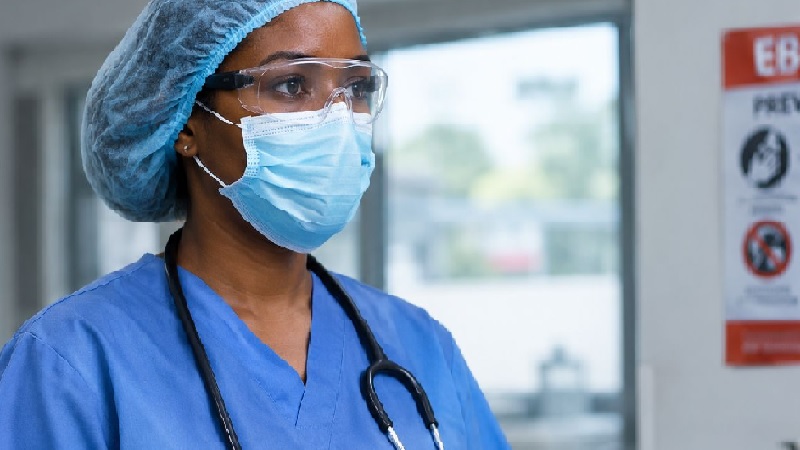

TD Nigeria has confirmed an Ebola case in the Federal Capital Territory, prompting an urgent public health response.
The Federal Government announced the confirmation on Tuesday, October 20, 2026, following laboratory testing.
Health authorities identified 44 contacts and began monitoring individuals who may have been exposed.
The infected woman is receiving medical care in isolation at a private hospital in Abuja.
Officials have intensified surveillance and urged healthcare facilities nationwide to remain alert for suspected infections.
Nigeria Confirms Ebola Case After Laboratory Testing
The Federal Ministry of Health and Social Welfare confirmed the infection after laboratory tests detected the virus.

Health Minister Muhammad Ali Pate said authorities were working to contain the case and prevent further transmission.
According to the ministry, the patient recently travelled to Nigeria on an international flight from Uganda.
She subsequently sought treatment at a private medical facility in the Federal Capital Territory.
The woman reportedly developed symptoms on October 7, four days after arriving in Nigeria.
She visited the hospital on October 11 and received treatment before laboratory testing confirmed the infection.
The diagnosis was confirmed on October 20, according to the World Health Organization.

Authorities have not established where the woman contracted the virus.
Investigations are continuing to reconstruct her travel history and identify possible exposure locations.
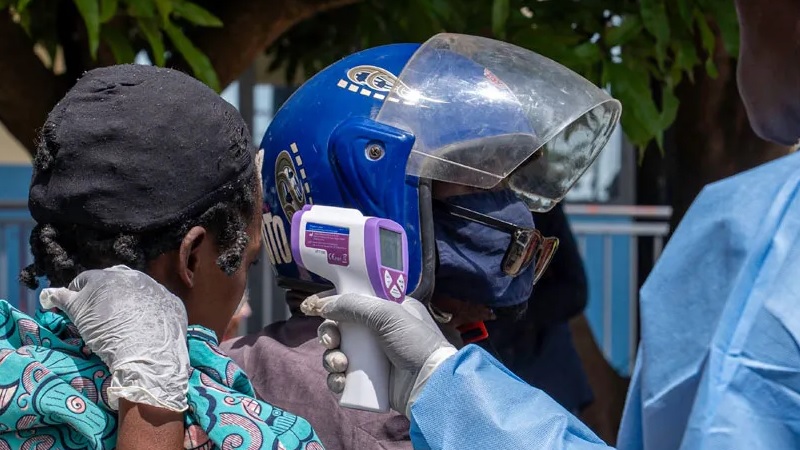
Nigeria Confirms Ebola Case as Contact Tracing Begins
Health authorities have identified 44 people who may have had contact with the infected woman.
The contacts include healthcare workers, patients, caregivers, and people connected with her travels.
Public health teams are monitoring these individuals for possible symptoms.
Contact tracing helps authorities identify people who may have been exposed to an infectious disease.

It also allows health officials to arrange appropriate monitoring and testing when necessary.
The government is working with the Federal Capital Territory health authorities and other public health partners.
Officials are also investigating whether additional contacts need to be identified.
The number of contacts could change as investigators obtain more information.
Authorities have not confirmed widespread community transmission linked to this case.
The immediate priority remains identifying exposed individuals and preventing further infections.
Nigeria Confirms Ebola Case Linked to Regional Outbreak
The case comes amid a regional outbreak of Bundibugyo virus disease that began in the Democratic Republic of Congo.
The outbreak was declared in May 2026 and has affected several African countries.
Nigeria has become the fifth country to detect the virus during the current outbreak.
The World Health Organization has highlighted concerns about the outbreak’s geographical spread.
The infection has appeared across different African regions, complicating efforts to contain transmission.
Kenya has also reported infections associated with an imported case involving a traveller from the Democratic Republic of Congo.
Uganda previously experienced an outbreak but subsequently declared it over.
Ugandan authorities have said that travel through their country does not establish where the Nigerian patient became infected.
Investigators must establish the patient’s movements and exposure history before determining the likely source.
The Nigerian case highlights the importance of cross-border surveillance and cooperation among public health agencies.
Nigeria Confirms Ebola Case as Health Authorities Strengthen Surveillance
The Federal Government has directed public and private healthcare facilities to remain vigilant.
Healthcare workers have been urged to recognise suspected cases and report them promptly.
Authorities have also emphasised the importance of isolation and infection prevention procedures.
These measures can reduce the risk of transmission within hospitals and other healthcare settings.
Healthcare facilities must follow appropriate procedures when assessing patients with symptoms consistent with Ebola.
They must also use suitable protective equipment and established infection control protocols.
The government is coordinating its response with relevant health agencies and partners.
Surveillance has been intensified to support early detection and timely intervention.
Health officials are also monitoring developments at points of entry into Nigeria.
These measures aim to identify possible infections quickly and limit further spread.
The government has urged Nigerians to remain calm while cooperating with public health officials.
Nigeria Confirms Ebola Case: What Nigerians Should Know
Ebola is a serious infectious disease caused by viruses belonging to the Orthoebolavirus genus.
The current outbreak involves the Bundibugyo virus, a recognised cause of Ebola disease.
Transmission generally occurs through direct contact with the blood or other bodily fluids of an infected person.
People can also become infected through contaminated objects and materials.
The virus does not spread simply because someone shares the same city with an infected person.
Avoiding contact with potentially infectious bodily fluids remains an important preventive measure.
Symptoms may include fever, severe weakness, headache, muscle pain, vomiting, and diarrhoea.
Some patients may also develop unexplained bleeding during the illness.
These symptoms can resemble other infections, so symptoms alone cannot confirm Ebola.
Anyone experiencing concerning symptoms after a possible exposure should seek urgent medical advice.
They should inform healthcare professionals about relevant travel or contact histories.
People should follow instructions from health authorities rather than attempting to diagnose themselves.
Early medical assessment can help healthcare workers determine appropriate next steps.
Nigeria Confirms Ebola Case: Public Health Advice
Health authorities are urging Nigerians to remain informed and avoid spreading unverified claims.
The public should follow announcements from the Federal Ministry of Health and the Nigeria Centre for Disease Control.
People should maintain good hygiene and avoid contact with bodily fluids from anyone suspected of infection.
Healthcare workers should follow recommended protective procedures when assessing potentially infected patients.
Anyone who believes they had direct exposure should contact public health authorities for guidance.
People should not stigmatise travellers or individuals based solely on their nationality.
Travel history alone does not establish that someone has Ebola.
Similarly, passing through a country does not prove that infection occurred there.
Accurate information is essential during public health emergencies.
Rumours can create unnecessary fear and distract from evidence-based prevention measures.
Nigerians should rely on verified official updates as investigations continue.
Nigeria Confirms Ebola Case: Lessons From the 2014 Outbreak
Nigeria previously confronted an Ebola outbreak in 2014.
The outbreak began after an infected traveller arrived in Lagos from Liberia.
Health authorities subsequently identified additional infections and launched extensive contact tracing.
Nigeria recorded 20 cases during that outbreak before officials declared it over.
The response relied on case identification, isolation, contact tracing, and coordination among health professionals.
International partners also supported efforts to contain the disease.
Nigeria’s experience demonstrated the importance of identifying infections early.
It also highlighted the need for strong surveillance and effective communication.
The current response will require similar vigilance and coordination.
Authorities must ensure that healthcare workers receive appropriate support and protection.
They must also identify contacts quickly and monitor them according to public health guidance.
The experience gained in 2014 could help Nigeria respond effectively to the latest case.
Nigeria Confirms Ebola Case as Authorities Work to Prevent Further Spread
The confirmed infection has placed Nigerian health authorities on heightened alert.
However, one confirmed case does not automatically mean Nigeria is experiencing widespread transmission.
Investigators are working to determine the likely source of infection and identify additional contacts.
The government has activated public health measures aimed at containing the case.
Healthcare facilities have been urged to maintain vigilance and report suspected infections.
The effectiveness of these measures will depend on early detection and cooperation.
Public awareness will also play an important role in preventing further transmission.
Authorities are expected to provide additional information as investigations progress.
Nigerians should continue monitoring official announcements and follow professional medical guidance.
The situation requires vigilance without unnecessary panic or speculation.
Conclusion: Nigeria Confirms Ebola Case in Abuja
Nigeria’s confirmation of an Ebola case in Abuja has prompted renewed public health measures.
Authorities have isolated the patient, identified 44 contacts, and intensified surveillance.
Investigations continue into the woman’s travel history and the likely source of infection.
Health officials are working to prevent further transmission and strengthen preparedness.
The public has been urged to remain calm and follow verified health guidance.
Healthcare facilities must remain alert and report suspected cases promptly.
The coming days will be important as contact tracing and investigations continue.
ThisDawn News will continue monitoring official announcements and reporting verified developments concerning Nigeria’s Ebola response.