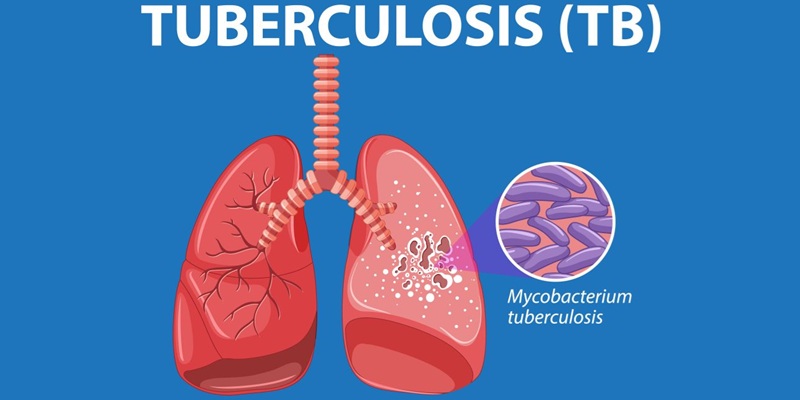
TD GENEVA, Switzerland — The Gavi, the Vaccine Alliance, has unveiled an early market-shaping roadmap for next-generation tuberculosis (TB) vaccines.

The Alliance said the vaccines could potentially save 7.3 million lives between 2030 and 2050 and generate as much as US$135 billion in economic benefits across low- and middle-income countries.
The vaccines, which are expected to become available from around 2029, are being developed primarily to prevent infectious pulmonary TB disease among adolescents and adults.
These are the age groups for which the protection provided by the century-old Bacille Calmette-Guérin (BCG) vaccine is limited.
Gavi said the projected impact is based on preliminary modelling by the London School of Hygiene & Tropical Medicine (LSHTM).
It represents the potential impact of vaccination if the necessary supply, financing and delivery systems are put in place.
Importantly, Gavi’s announcement is not the launch of a newly licensed TB vaccine.
Rather, the Alliance has launched an Early Market Shaping Roadmap to prepare governments, manufacturers and health partners for the arrival of novel TB vaccines once they receive regulatory approval.
Gavi: New Tuberculosis vaccines could be a “blockbuster” tool
Gavi CEO, Dr Sania Nishtar, described the potential Tuberculosis vaccines as a possible “blockbuster” addition to the global immunisation arsenal.
“Novel TB vaccines could be the next blockbuster immunisation tool.
“However, they will only realise their potential if we are able to ensure sufficient, predictable and affordable supply for those countries with the highest disease burden,” Nishtar said.
She said Gavi was beginning work with partners ahead of vaccine availability to help countries secure the quantities of doses they may require.
The Alliance estimates that demand from low- and middle-income countries could average around 85 million vaccination courses annually.
Demand is expected to be particularly high during the initial years of introduction as high-burden countries seek to expand protection among several age groups and populations at elevated risk.
Tuberculosis remains the world’s deadliest infectious disease
The push for new vaccines comes as tuberculosis continues to claim more than one million lives annually.
According to the World Health Organization, an estimated 10.7 million people developed TB in 2024.
Approximately 1.23 million people died from the disease, including about 150,000 people living with HIV.
WHO describes TB as the world’s leading cause of death from a single infectious agent.
The disease also remains a major contributor to deaths associated with antimicrobial resistance.
That makes prevention increasingly important as drug-resistant TB continues to pose a global health threat.
WHO estimates that 390,000 people developed drug-resistant TB in 2024, while only about two in five people with drug-resistant TB accessed treatment.
Why scientists are pursuing new Tuberculosis vaccines
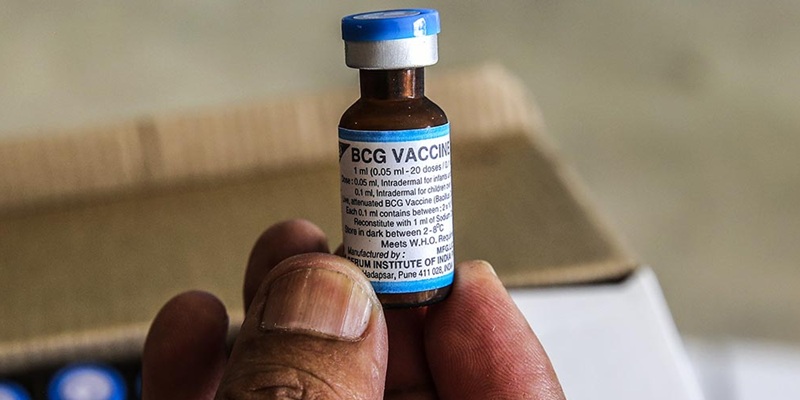
The only TB vaccine currently licensed for widespread use is BCG, which has been used for more than 100 years.
BCG provides important protection against severe forms of Tuberculosis in infants and young children.
However, its effectiveness against pulmonary TB in adolescents and adults is more limited.
The next generation of vaccines is therefore being developed with the aim of preventing infectious pulmonary TB disease in adolescents and adults — potentially filling a major gap in existing TB prevention efforts.
Gavi says combining such vaccines with existing TB prevention, diagnosis and treatment measures could accelerate progress against the disease.
$135 billion economic benefit projected
Beyond preventing deaths and illness, Gavi’s analysis estimates that novel Tuberculosis vaccines could unlock up to US$135 billion in economic benefits in low- and middle-income countries by 2050.
The projected gains would come from avoiding deaths and illness, reducing healthcare costs and protecting productivity in countries carrying much of the global TB burden.
However, the economic and mortality projections remain modelled estimates rather than guaranteed outcomes.
The preliminary LSHTM modelling assumes, among other factors, a vaccine with 50% efficacy against TB disease, irrespective of previous exposure, with immunity waning exponentially over 10 years.
The model considers vaccination of high-risk populations and adolescents through routine immunisation alongside targeted catch-up campaigns.
Gavi warns supply could become a major obstacle
Despite the promise of the Tuberculosis vaccines, Gavi warned that several challenges could prevent rapid and equitable deployment after regulatory approval.
These include uncertainty over vaccine policy recommendations, inadequate domestic and international financing, uncertain demand and insufficient manufacturing capacity.
The Alliance said uncertainty over future demand could discourage manufacturers from making the investments necessary to produce vaccines at scale.
Gavi’s market-shaping approach is intended to give manufacturers greater visibility over future demand while helping lower-income countries obtain vaccines at affordable prices.
Three priorities for global Tuberculosis vaccine rollout
Gavi’s roadmap identifies three major objectives.
1. Secure adequate vaccine supply
The Alliance wants to ensure that sufficient quantities of novel TB vaccines are available on time, at affordable and sustainable prices, particularly for countries with the highest disease burden.
2. Maximise vaccine uptake
Gavi plans to support countries in incorporating the vaccines into routine immunisation programmes while also considering targeted catch-up campaigns for populations at high risk.
3. Promote competition among manufacturers
The Alliance also wants to encourage a competitive and geographically diverse pipeline of TB vaccine candidates.
Gavi says greater competition could help ensure that vaccines meet different countries’ programme requirements while reducing the risks associated with reliance on a limited number of manufacturers.
Africa could play a role in future Tuberculosis vaccine production
The preparations also have implications for Africa, where Tuberculosis remains a major public-health challenge.
Gavi’s African Vaccine Manufacturing Accelerator (AVMA) now lists novel tuberculosis vaccines among its priority vaccine markets, creating a potential pathway for increased African participation in future vaccine manufacturing.
Gavi has also incorporated TB vaccination into its broader 2026–2030 strategy.
The Alliance expecting a new TB vaccine to become available during the current strategic period and stressing the need for preparatory work before rollout.
Countries urged to prepare now
Gavi said several high-burden countries, including countries involved in vaccine trials, are already preparing for possible deployment.
The Alliance will also continue working through the WHO Tuberculosis Vaccine Accelerator’s Finance & Access Working Group, which aims to address financing and access challenges surrounding future TB vaccines.
The objective is to ensure that regulatory approval does not become the starting point of a lengthy delay before vaccines reach the people who need them.
With TB still responsible for more than 1.2 million deaths annually, Gavi says early preparation is critical if the projected benefits of the new vaccines are to be realised.
The Alliance’s broader Gavi 6.0 strategy includes support for new vaccines against more diseases, including tuberculosis, and places particular emphasis on accelerating access to high-impact vaccines in lower-income countries.