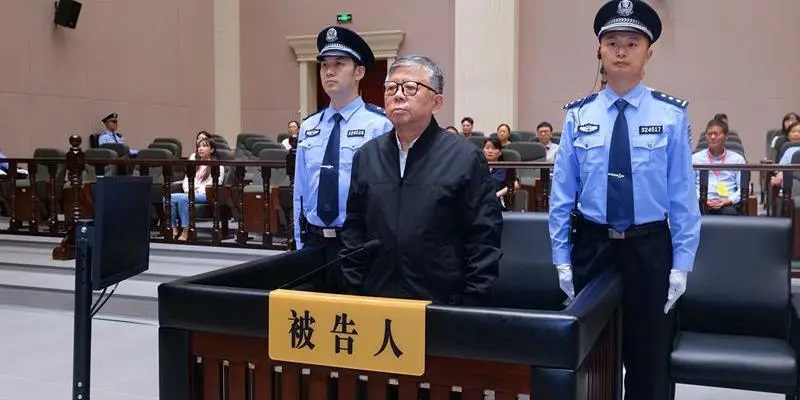
TDA Chinese court has sentenced a former senior government official, Yang Youlin, to death after finding him guilty of accepting more than 2.21 billion yuan (approximately $325 million) in bribes over a period spanning three decades.
According to reports, Yang previously held a senior economic development position in the eastern Chinese city of Nanjing.
He was convicted of multiple offences, including bribery, embezzlement, abuse of power, money laundering and the misappropriation of public funds.
Prosecutors said he accepted illicit payments from 1993 to 2023 in exchange for granting favours related to land allocations, business operations, government projects and financing.
The Changzhou Intermediate People’s Court ruled that the scale of the crimes and the enormous financial losses justified the death sentence.
The court also ordered the confiscation of Yang’s personal assets and directed authorities to recover the proceeds of the illicit wealth.

During the trial, Yang reportedly admitted his offences and expressed remorse.
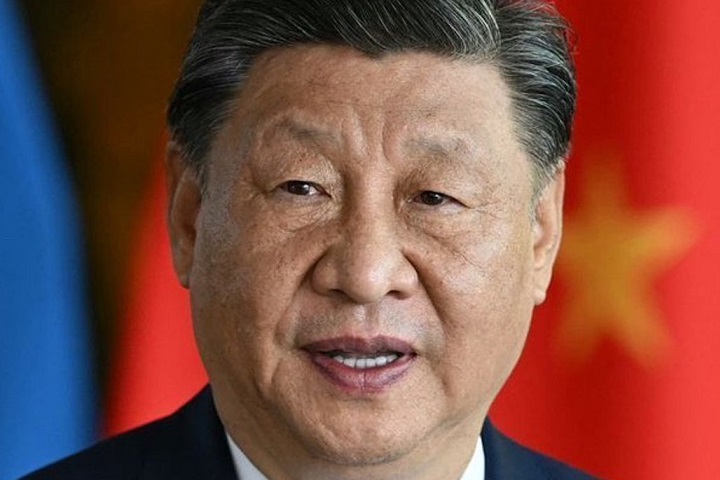
The verdict is among the latest outcomes of Chinese President Xi Jinping’s long-running anti-corruption campaign.
The campaign has resulted in the investigation, prosecution and punishment of thousands of public officials and senior military officers.
Death Sentences Thrive in China
In recent years, several high-ranking officials have received death sentences or suspended death sentences for corruption-related offences.
China’s anti-graft drive has been described by the government as a key effort to strengthen discipline within public institutions, restoring public confidence in governance.
Critics, however, have argued that some prosecutions have also carried political implications.

The case has attracted international attention because of the severity of the punishment and the extraordinary amount involved.
It makes it one of China’s largest recent corruption convictions.
The development has also reignited debate in many countries over how governments should tackle large-scale corruption.
Some observers point to China’s tough penalties as a strong deterrent against the abuse of public office.
Others argue that lasting success against corruption depends not only on severe punishments.
They insist it includes transparent institutions, independent judiciary, strong accountability mechanisms, and consistent enforcement of the rule of law.

An observer noted: “This is what all African countries should emulate from China.
“This is what is making China great as they eliminate the root of all evils in their society.
“They are not Christians country but they know that love of money is the ROOT of all evils.
“When African countries start doing this, then they will become great and develop.
“They all go into government to loot, corrupt and steal their resources.”
China Bans Lavish Dining for Public Officials
In a related development, the Chinese government has intensified its anti-corruption campaign by introducing fresh restrictions.
The restrictions prohibit public officials from participating in lavish banquets, accepting extravagant hospitality, and engaging in other forms of luxury spending while in office.
The latest directive, reported by the BBC, is part of President Xi Jinping’s long-running efforts to strengthen discipline within government and eliminate practices that encourage corruption and misuse of public resources.
Under the new rules, officials are barred from using public funds for expensive meals, excessive entertainment, luxury alcohol, and other extravagant activities.
The measures also seek to curb the culture of lavish gift-giving and hospitality that authorities believe can influence public officials and compromise accountability.
Chinese authorities say the policy is designed to promote integrity in public service, ensure prudent management of government resources, and restore public confidence in state institutions.
Xi’s Anti-Corruption Campaign Continues
Since assuming office, President Xi Jinping has made fighting corruption one of the defining priorities of his administration.
Thousands of government officials, including senior political figures and local administrators, have been investigated, prosecuted, or disciplined under the sweeping anti-graft campaign.
Chinese officials maintain that corruption threatens national development and public trust, insisting that strict enforcement of ethical standards is necessary to sustain economic growth and effective governance.
Lessons for Developing Nations
China’s latest action has renewed discussions about the importance of strong anti-corruption policies in developing countries, particularly across Africa, where corruption continues to undermine economic growth and public service delivery.
Analysts argue that curbing extravagant spending by public office holders can help preserve public funds for critical sectors such as infrastructure, healthcare, education, agriculture, and social welfare.
However, governance experts caution that strict regulations alone are insufficient.
They note that sustainable progress also depends on independent anti-corruption institutions, transparent public procurement systems, judicial independence, press freedom, and effective enforcement of the rule of law.
A Model Worth Studying?
China’s renewed crackdown reflects its determination to eliminate financial excesses within government and reinforce accountability among public officials.
While each country’s political and legal system differs, governance experts say the emphasis on fiscal discipline and responsible management of public resources offers important lessons for nations seeking to strengthen public institutions and reduce corruption.
Governments across the developing world continue to search for effective ways to combat graft.
China’s latest anti-corruption measures are likely to remain a reference point in global debates on public accountability and responsible governance.