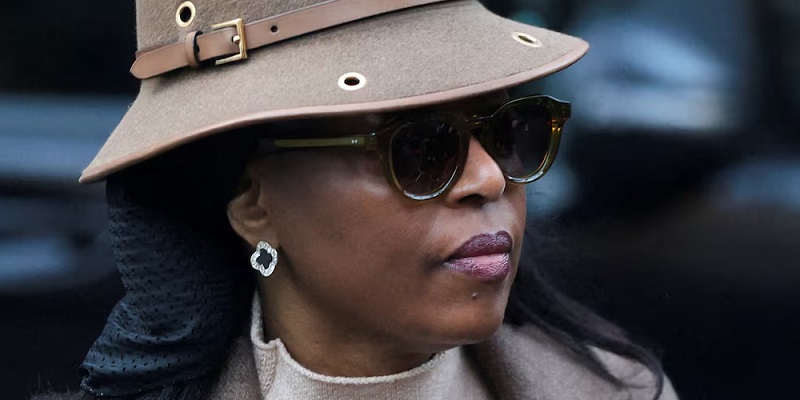
TDFormer Nigerian Petroleum Minister, Diezani Alison-Madueke, has concluded her nine-day testimony at the Southwark Crown Court in London, where she faces multiple counts of bribery.
The trial, which has drawn international attention, saw tense exchanges between the prosecution and defence.
Observers noted moments that could significantly impact the case’s outcome involving the lead prosecutor.
Prosecution’s Misstep
Lead prosecutor Alexandra Healy KC appeared to lose composure during cross-examination, allegedly breaching Bar Standards Board guidelines by suggesting Alison-Madueke was lying.
The exchange occurred as Healy pressed the former minister to admit that luxury items purchased by billionaire businessman Igho Sanomi were intended for her.
Alison-Madueke, however, maintained her position without contradiction.
Observers were left with little option than to conclude that the prosecution’s attempt to unsettle her faltered.

Legal analysts suggest that such personal attacks could weaken the prosecution’s credibility, especially in a case already complicated by evidentiary gaps.
Alison-Madueke’s Defence
In her testimony, Alison-Madueke explained that payments made on her behalf abroad were refunded either by the Nigerian National Petroleum Corporation (NNPC) or her family.
She cited constitutional restrictions preventing government officials from holding foreign accounts.
She also cited the unreliability of Nigerian debit cards overseas as reasons for the arrangement.
UK authorities allege that these transactions and the use of luxury properties amounted to unlawful benefits.

However, Alison-Madueke pointed out that she had previously been cleared of improper conduct charges in 2024, framing the current allegations as unfounded.
Co-Defendant and Allegations
Alison-Madueke is charged alongside her brother, Bishop Doye Agama.
Prosecutors allege that Agama received substantial donations from oil tycoon Benedict Peters to influence contract awards.
Evidence of Peters’ contributions to Agama’s church was presented.
However, the prosecution struggled to prove that these donations were linked to Alison-Madueke or intended to benefit her directly.

Key Wins for the Defence
Observers noted several moments that strengthened Alison-Madueke’s defence:
- Refusal to Award Contracts: A letter from Senator Ifeanyi Ubah to former President Goodluck Jonathan suggested Alison-Madueke had been instructed to award contracts to Ubah’s company, Capital Oil and Gas.
The letter confirmed she refused, undermining claims of unlawful favoritism.
- Unsubstantiated Allegations: The prosecution failed to tie Peters’ donations to Agama’s ministry directly to Alison-Madueke, leaving a critical gap in their case.
These developments, combined with her composed testimony, may prove pivotal in securing a favourable verdict.
Trial Context
Alison-Madueke was arrested in 2016 and has since faced scrutiny over alleged corruption during her tenure as Petroleum Minister.
The London trial represents the most significant legal challenge she has faced abroad.
Her testimony marks the first time she has publicly addressed the allegations in detail.
The trial’s outcome will have far-reaching implications for Nigeria’s political and legal landscape.
A conviction would reinforce international efforts to hold public officials accountable for corruption.
Conversely, an acquittal could embolden Alison-Madueke’s supporters, who argue that she has been unfairly targeted.
As Alison-Madueke closes her testimony, the prosecution faces mounting pressure to substantiate its claims.
With key allegations left unproven and moments of prosecutorial missteps, the defence appears to have gained ground.
The court will now weigh nine days of testimony, evidence, and cross-examination to determine whether the former minister and her co-defendant are guilty of bribery or victims of prosecutorial overreach.