TD Nigeria is facing a sobering reality as new data released in August 2026 reveals the states with the highest number of people currently receiving Human Immunodeficiency Virus (HIV) treatment.
The figures paint a troubling picture of the epidemic’s scale, underscoring the urgent need for sustained intervention and awareness.
HIV is a virus that attacks the body’s immune system, specifically the CD4 cells (T cells), which are crucial for fighting infections.
Without treatment, HIV can progress to AIDS (Acquired Immunodeficiency Syndrome), the most advanced stage of HIV infection.
Top 10 States by HIV Treatment Numbers
- Benue (North Central) — 193,506
- Akwa Ibom (South-South) — 159,522
- Lagos (South-West) — 138,741
- Rivers (South-South) — 89,551
- Nasarawa (North Central) — 66,773
- FCT Abuja (North Central) — 64,091
- Kaduna (North West) — 59,209
- Cross River (South-South) — 58,599
- Enugu (South East) — 56,000
- Anambra (South East) — 55,591
Key HIV Alarming Trends
- Benue and Akwa Ibom stand out as the only states with over 150,000 people on treatment, highlighting them as epicenters of the epidemic.
- Southern Nigeria accounts for four of the top 10 states, showing that the crisis is not limited to one region.
- The Federal Capital Territory (FCT Abuja), with over 64,000 patients, signals that even the nation’s capital is heavily burdened.
- The North West and North Central zones also record staggering figures, proving HIV remains a nationwide challenge.
As of August 2026, Nigeria’s National Data Repository reports that about 1.7 million people are receiving HIV treatment across the 36 states and the Federal Capital Territory (FCT).
Benue, Akwa Ibom, and Lagos lead the chart with the highest patient numbers, while states like Yobe and Sokoto record the lowest.
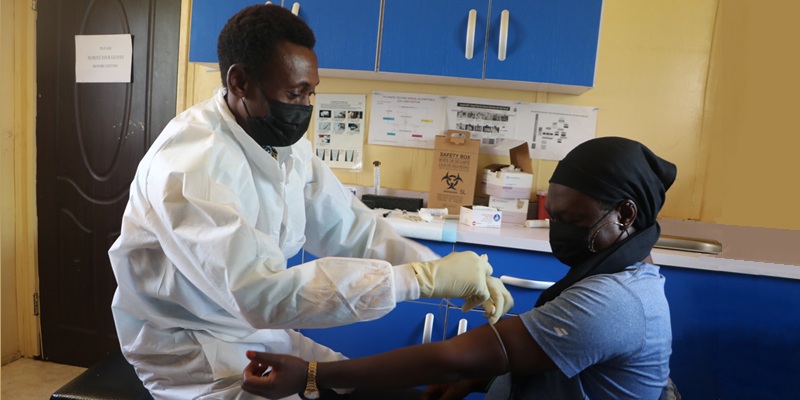
Official NDR for Number of People Receiving HIV Treatment in Nigeria (August 2026)
| Rank | State | Patients on ART |
|---|---|---|
| 1 | Benue (NC) | 193,506 |
| 2 | Akwa Ibom (SS) | 159,522 |
| 3 | Lagos (SW) | 138,741 |
| 4 | Rivers (SS) | 89,551 |
| 5 | Nasarawa (NC) | 66,773 |
| 6 | FCT Abuja (NC) | 64,091 |
| 7 | Kaduna (NW) | 59,209 |
| 8 | Cross River (SS) | 58,599 |
| 9 | Enugu (SE) | 56,000 |
| 10 | Anambra (SE) | 55,591 |
| 11 | Delta (SS) | 52,731 |
| 12 | Taraba (NE) | 51,462 |
| 13 | Abia (SE) | 49,417 |
| 14 | Imo (SE) | 47,773 |
| 15 | Plateau (NC) | 44,228 |
| 16 | Kano (NW) | 42,097 |
| 17 | Adamawa (NE) | 41,290 |
| 18 | Kogi (NC) | 37,278 |
| 19 | Oyo (SW) | 32,925 |
| 20 | Niger (NC) | 31,402 |
| 21 | Ogun (SW) | 31,260 |
| 22 | Edo (SS) | 29,529 |
| 23 | Bauchi (NE) | 29,297 |
| 24 | Gombe (NE) | 28,957 |
| 25 | Osun (SW) | 24,972 |
| 26 | Borno (NE) | 24,277 |
| 27 | Ondo (SW) | 22,225 |
| 28 | Kebbi (NW) | 20,706 |
| 29 | Bayelsa (SS) | 18,889 |
| 30 | Katsina (NW) | 18,619 |
| 31 | Kwara (NC) | 15,252 |
| 32 | Ebonyi (SE) | 15,185 |
| 33 | Jigawa (NW) | 14,235 |
| 34 | Zamfara (NW) | 13,759 |
| 35 | Ekiti (SW) | 12,314 |
| 36 | Sokoto (NW) | 11,933 |
| 37 | Yobe (NE) | 10,247 |
Key Insights
- Benue, Akwa Ibom, Lagos are the epicenters, each with over 130,000 patients.
- Southern Nigeria (SS, SW, SE) accounts for a large share, showing HIV’s spread beyond the northern belt.
- FCT Abuja has over 61,000 patients, highlighting the epidemic’s presence even in the capital.
- Lowest figures are in Yobe (10,247) and Sokoto (11,933), but these may reflect weaker detection and reporting rather than lower prevalence.
Public Health Implications and What This Means
- The high numbers reflect stronger case detection and treatment coverage, but also underline persistent transmission rates.
- Sustained testing, awareness campaigns, and prevention strategies are critical to reduce new infections.
- Experts emphasize that ART access saves lives, suppresses viral load, and reduces transmission risk.
These numbers are not just statistics.

They represent lives under constant medical care, families grappling with stigma, and communities struggling to contain the spread.
Experts note that treatment availability is a positive sign.
However, the sheer volume of patients reveals the persistent transmission rates and the enormous strain on Nigeria’s healthcare system.
Call to Action
Experts warn that without intensified public education, prevention campaigns, and expanded testing, Nigeria risks an escalation that could overwhelm health facilities.
The data is a wake-up call: HIV is far from defeated, and complacency could reverse years of progress.

Nigeria must act decisively—strengthening awareness, ensuring uninterrupted drug supply, and breaking the silence around HIV.
The fight is ongoing, and these figures are a stark reminder that the epidemic remains one of the country’s gravest public health emergencies.