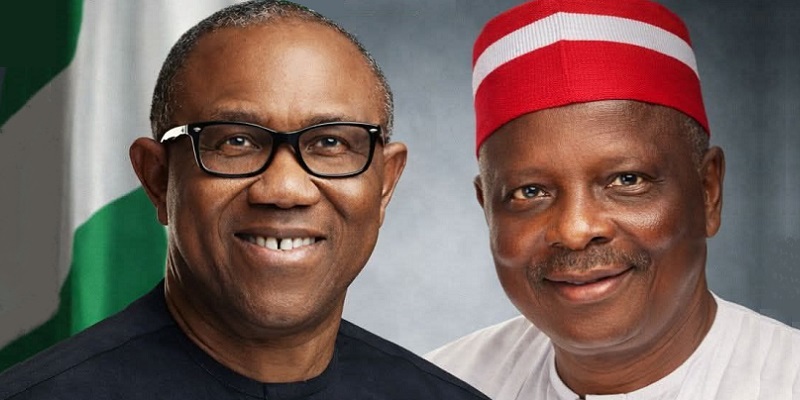
TD If Nigeria is serious about solving its economic, security, and political problems, then 2027 presents a clear choice.

Peter Obi’s record as Governor of Anambra State and his 2023 and now 2027 presidential campaign laid out a distinct blueprint for how governance would look different under his leadership.
The argument is simple: different priorities, different methods, different results.
Here is what Peter Obi would do differently:
IN THE AREA OF ECONOMY
In the area of the economy Peter Obi’s core economic philosophy is “moving Nigeria from a consumption-based economy to a production-based economy.”
Unlike the reckless spender called Tinubu, Peter Obi will cut the cost of governance first. Obi has consistently argued that you cannot ask citizens to sacrifice while government waste continues.
He would have slashed the number of aides, merged overlapping MDAs, stopped frivolous foreign trips, and sold off non-essential government assets and presidential jets.
The savings would be redirected to health, education, and infrastructure.
These are things Tinubu and his cronies cannot do even if they spend hundred years in power, because they lack self discipline, accountability and are driven by their greed for primitive acquisition of material things and power.
Peter Obi is a man who understand that SMEs grow the economy and not Tinubu kind of portfolio investment theory. Peter Obi will push for aggressive support for Small and Medium Scale Enterprises, and local manufacturing.
Instead of squandering the money realized from fuel subsidy removal and still go borrowing for consumption as Tinubu has done, Peter Obi’s budget would prioritize single-digit loans, power, and logistics for businesses.
Don’t forget that Anambra under Obi became a hub for traders and manufacturers because he prioritized market infrastructure, security in markets, and access to capital.
Peter Obi will end oil dependence in 3 years. He would treat agriculture, solid minerals, tech, and export manufacturing as “new oil.”
His policy would focus on value addition: ban export of raw cocoa, shea, and minerals without local processing. The goal is to earn FX from exports, not just borrowing.
He is going to fix power as an economic issue. He has stated repeatedly that he would declare a state of emergency on power and unbundle the sector to allow local governments, states and private investors to generate and distribute power, in addition to the national investment he will make in the sector. To him, no industrialization happens in darkness.
Peter Obi will tackle debt and leakages. His administration would audit debt, stop wasteful borrowing for recurrent expenditure, and block leakages through TSA enforcement and BVN-linked government payments.
Obi frames the economy in terms of household management. “If your income is 100k and your expenses are 200k, you are heading for disaster.” That is how he approaches Nigeria’s budget deficit.
ON SECURITY: INTELLIGENCE-LED, WELFARE-BACKED
Obi argues that insecurity is a product of poverty, unemployment, and weak policing.
So Peter Obi will prioritize intelligence and technology over rhetoric. There will be massive investment in surveillance drones, data centers, and inter-agency communication.
He would equip the police properly and increase welfare to reduce corruption.
Peter Obi has promised to address the pull factors of crime. Under Peter Obi youth unemployment will be treated as a national security issue. His focus on MSMEs, tech jobs, and agriculture is designed to take millions of idle youths off the street.
Peter Obi will support state and community policing within a constitutional framework, with proper training, funding, and oversight. Governors would be held accountable for security in their states and communities will be empowered as the first line of defence and security.
Peter Obi is going to be having regular interface with those in the education sector.
He would meet with stakeholders quarterly and budget adequately for education so lecturers are paid quality salaries and schools are funded.
He believes an educated and engaged youth population is the best counter to banditry and extremism.
To Obi, you cannot “shoot” your way out of insecurity when millions are hungry and hopeless. Security and the economy are linked.
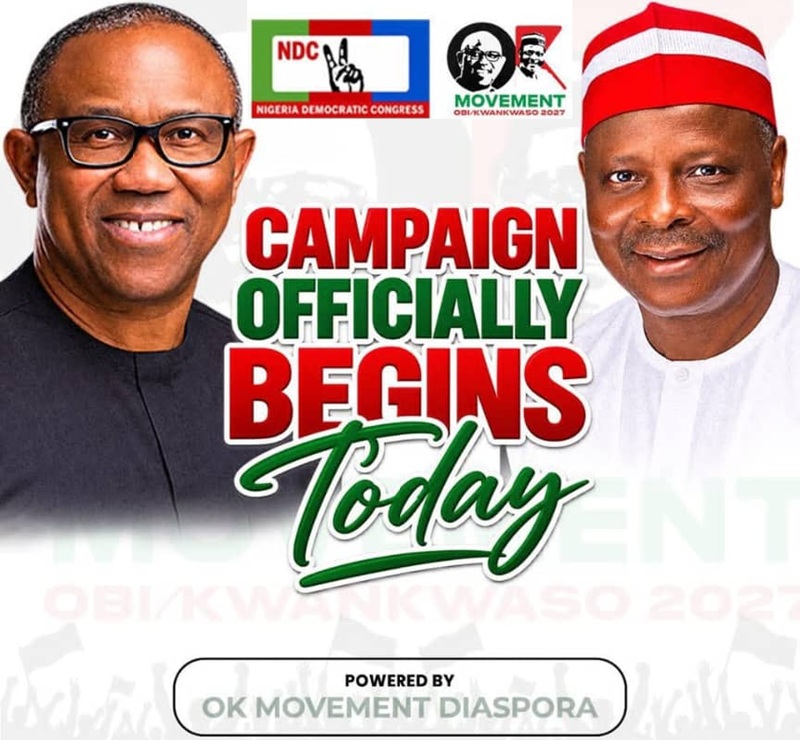
IN THE AREAS OF POLITICS: CHARACTER, COMPETENCE, AND CAPACITY
Obi’s campaign slogan was “from consumption to production.” The political difference is about leadership culture.
Peter Obi will lead by example. No convoy of 150 cars as we have now under Tinubu. No wasteful celebrations. He would live modestly and demand the same from appointees. In Anambra, he was known for going to markets unannounced.
Under Peter Obi appointments will be Merit-based, yet federal character will be respected.
Peter Obi believes there are qualified Nigerians from every part of Nigeria and the best and the brightest of them home and abroad will be engaged to help salvage the Nigerian state.
Ministers, CEOs, and Ambassadors would be picked based on track record, not party loyalty or zoning alone. “We need people who can do the job on day one.
Peter Obi will be heavy on rule of law and due process. Government contracts would be open and competitive. Judicial independence would be respected. He has said he would obey court orders even when he disagrees.
Peter Obi will engage the people directly. Town halls, regular media chats, and data-driven briefings on what government is doing with money. Transparency as policy, not slogan.
Obi sees politics as service, not an avenue for wealth. His pitch is that Nigeria’s problem is not a lack of resources, but a lack of leadership with character and capacity.
THIS IS WHY NIGERIA NEEDS TO ELECT PETER OBI IN 2027
The problems are urgent and structural. Inflation, debt, unemployment, and insecurity will not be solved by business as usual. Nigeria needs a leader who understands the numbers and is willing to make hard, unpopular decisions on waste and subsidies.
Peter Obi has a track record that matters. Anambra was one of the safest and most financially prudent states under him. He left N75 billion in savings, built schools, and improved health infrastructure without borrowing. That is the model he proposes to scale nationally.
Peter will be an asset to Nigeria because he has global credibility. In a world of investors and partners, Nigeria needs a leader who is trusted for prudence and predictability.
Obi’s economic message resonates with the diaspora, investors, and development partners because it is about production and accountability.
Peter Obi will reset the social contract with leadership in Nigeria. Many Nigerians, especially youths, have lost faith in government.
Electing a leader known for frugality and directness is the fastest way to restore trust and get citizens to buy into reforms and sacrifice.
In the end, the difference with Peter Obi is not magic. It is method. It is prioritizing production over consumption. It is choosing competence over connection. It is treating public funds as sacred.
Nigeria’s challenges in 2027 will be the same: a broke government, angry youth, insecurity, and failing infrastructure. The question is who has the plan, discipline, and political will to face them head-on.
If the country is serious about solving its problems, then it needs leadership that has demonstrated it can do more with less, and that sees governance as work, not reward.
That is the case Peter Obi has made, and that is why 2027 is the moment to choose a different path.
Great Imo Jonathan