



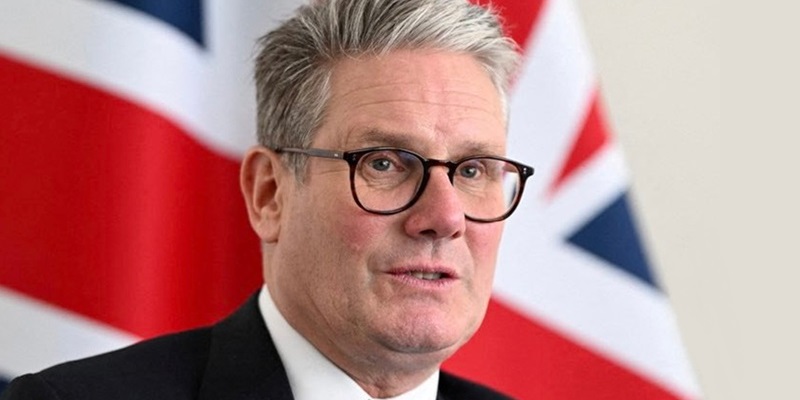

TDIn a landmark move aimed at protecting children online, the United Kingdom has announced a sweeping ban on social media use by children under the age of 16, becoming one of the most restrictive countries in the world regarding young people’s access to digital platforms.
British Prime Minister Keir Starmer unveiled the policy on Monday, describing it as a necessary step to safeguard children from the harmful effects of excessive social media use and to “give kids their childhood back.”
Under the new policy, children under 16 will be prohibited from accessing major social media platforms, including TikTok, Instagram, Facebook, Snapchat, YouTube, and X. The restrictions are expected to be enforced through enhanced age-verification measures overseen by regulators.
The UK government said the ban follows extensive public consultations, which revealed overwhelming support from parents. According to government findings, more than 90 percent of participating parents backed raising the minimum age for social media access to 16 years.
Officials argue that the decision is driven by growing concerns about online bullying, harmful content, addictive algorithms, mental health challenges, and exposure to inappropriate interactions. The government also plans to introduce additional safeguards on gaming platforms and livestreaming services that allow children to interact with strangers online.
While the policy has been welcomed by child-safety advocates and many parents, several technology companies have expressed concerns about its implementation. Critics argue that a blanket ban could push young users toward less regulated online spaces and may prove difficult to enforce effectively.

The proposed regulations are expected to be finalized later this year, with implementation targeted for 2027. The government has indicated that enforcement efforts will focus on technology companies rather than children who attempt to bypass the restrictions. Companies that fail to comply could face substantial penalties.
The United Kingdom’s decision follows similar moves in countries such as Australia and reflects a growing international trend toward tighter regulation of children’s online activities. Analysts say the policy could influence lawmakers in other nations considering stronger measures to protect minors in the digital age.
As debate continues over online safety, privacy, and digital freedoms, the UK government’s announcement marks a significant shift in how governments around the world are responding to the impact of social media on children and teenagers.