





TDThe administration of U.S. President Donald Trump has announced a sweeping change to immigration policy, directing Nigerians and other foreign nationals seeking permanent residency (Green Cards) to return to their home countries for processing.
The new directive ends decades of practice that allowed applicants already in the United States to adjust their status internally.
Under the new rules, immigrants in the U.S. on temporary visas—such as students, workers, or family dependents—must now leave the country and apply for Green Cards through U.S. embassies or consulates in their home nations.
Only “extraordinary circumstances,” such as humanitarian emergencies, will qualify for exceptions.
The State Department confirmed that immigrant visa processing has been halted in 75 countries, including Nigeria.
This is part of the Trump administration’s broader immigration overhaul.

What the Policy Means
For years, the “adjustment of status” pathway allowed immigrants legally residing in the U.S. to apply for permanent residency without leaving the country.
This process accounted for more than half of all legal immigrants in recent decades.
Trump officials argue the change restores the “original intent of the law” and prevents abuse of loopholes.
Critics, however, describe the move as disruptive and cruel, warning that it will break families apart and cost immigrants their jobs.
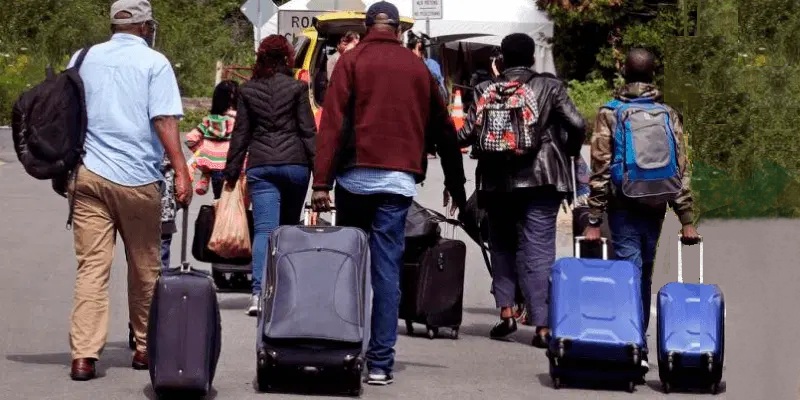
Impact on Nigerians
Nigerians currently in the U.S. who planned to adjust their status internally must now travel back to Nigeria to apply.
This creates significant financial burdens, risks of visa denials, and potential separation from families and employment.

Nigeria was already affected by Trump’s expanded travel ban, which restricted certain immigration categories.
The new directive further complicates the path for Nigerians seeking permanent residency.
Reactions
- U.S. Citizenship and Immigration Services (USCIS) stated:
“From now on, an alien who is in the U.S. temporarily and wants a Green Card must return to their home country to apply, except in extraordinary circumstances.”
- David Bier of the Cato Institute criticized the policy as “the most anti-legal immigration move in U.S. history”.
He warned that it will cause “incalculable harm” to legal immigrants.
Broader Implications
Analysts say the directive could reshape U.S. immigration by drastically reducing the number of legal immigrants.
Families may face prolonged separation, while employers could lose skilled workers caught in bureaucratic delays.
For Nigerians, the policy underscores the growing challenges of navigating U.S. immigration under Trump’s administration.

Many fear the directive will discourage talented professionals and students from pursuing opportunities in America.
Practical Guide for Nigerians Affected by the Policy
- Check Visa Status: Confirm your current visa validity before making travel plans.
- Prepare Documentation: Gather all required forms, financial records, and supporting evidence before leaving the U.S.
- Apply at Embassy: Submit your Green Card application at the U.S. Embassy in Abuja or Consulate in Lagos.
- Expect Delays: Processing times may be longer due to increased demand.
- Plan for Risks: Be aware of possible visa denials or extended separation from family/employment in the U.S.
- Seek Legal Advice: Consult an immigration attorney to explore humanitarian exceptions or alternative pathways.
This directive marks one of the most consequential shifts in U.S. immigration policy in decades, with Nigerians among those most affected.
The coming months will reveal how the new rules reshape migration patterns and the lives of thousands of families.