


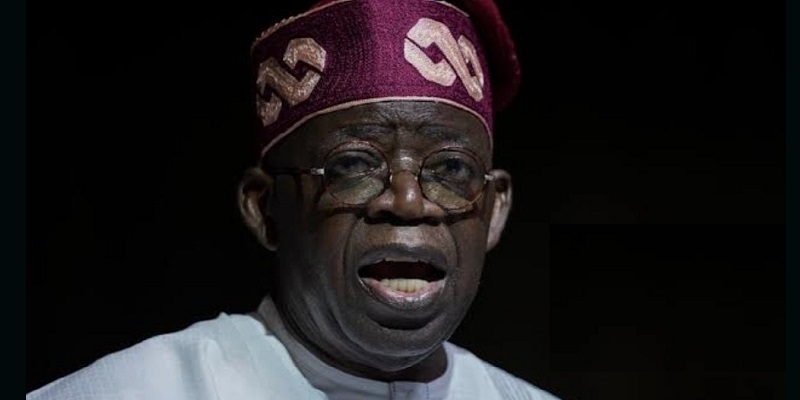

TD In the heated arena of Nigerian politics, praise for President Bola Ahmed Tinubu often borders on the hagiographic.
Supporters list an impressive array of achievements—from infrastructure megaprojects to fiscal reforms—that supposedly mark a fundamental transformation of the nation.
Yet a closer, evidence-based examination reveals a more nuanced picture:
-
genuine policy shifts and incremental progress amid significant trade-offs,
-
implementation gaps,
-
persistent structural challenges, and,
-
heavy costs borne by ordinary citizens.
The “Renewed Hope” agenda contains real elements of ambition, but claims of unprecedented transformation frequently overstate impact while downplaying pain.

Take the flagship infrastructure push.
The Lagos-Calabar Coastal Highway stands as a visible emblem of ambition, with sections advancing rapidly and financing secured in the hundreds of millions of dollars.

Other road projects and port rehabilitation approvals (including a $1 billion plan for Calabar and major hubs, with works targeted for 2026) signal intent to fix decades of neglect.
These are welcome. However, many are multi-year, debt-financed endeavors.
Completion timelines slip, quality and maintenance raise familiar questions, and displacements during construction add immediate local burdens.
“Legacy roads” sound visionary, but Nigeria’s roads have long been a revolving door of contracts and complaints.
Electricity “decentralisation” via the 2023 Act and amendments empowers states—a structural positive that Lagos, Enugu, and others are leveraging with mini-grids and regulators.
Yet national generation remains woefully inadequate, grid collapses routine, and most states lag. Progress is patchy, not revolutionary.

Similar caveats apply to railways: constitutional openings for state involvement exist, but federal dominance persists.
Fiscal and economic reforms tell the sharpest story of trade-offs. Fuel subsidy removal in 2023 ended a corrupt, unsustainable drain on the treasury.
Foreign reserves have climbed to around $50–51 billion—a 17-year high—trade surpluses have strengthened (notably ₦7.55 trillion in Q1 2026), and nominal FAAC allocations have ballooned thanks to Naira devaluation and better collections.
The minimum wage doubled-plus to ₦70,000, NELFUND offers interest-free student loans, and forex unification curbed some round-tripping arbitrage.
These moves created fiscal breathing room and attracted some investor note. Yet the human ledger is grim.
Abrupt subsidy removal, paired with float liberalisation, supercharged inflation (peaking over 30%), transport and food costs, and multidimensional poverty.

Real wages eroded quickly. “Macro stability” on paper feels hollow to families struggling with basics.
GDP growth hovers in the modest 3–4% range—not “leaps and bounds” when population growth claims much of the gain. Non-oil diversification remains elusive.
Security and governance claims invite similar scrutiny.
Increased defence budgets, recruitment drives, and redeployment rhetoric address real threats.
Banditry and terrorism designations build on prior efforts.
The Rivers State crisis was contained short of total meltdown.
Yet, insecurity lingers across regions, and “unprecedented” spending has not delivered decisive victory.
State police legislation advances federalism but carries risks of abuse.
Cabinet reshuffles removed some underperformers, but systemic corruption endures.
Diplomacy scores points for visibility—visits to UAE, UK, and Turkey yielded partnerships and optics.
Passport processing has improved via digitisation.
Yet the notion of averting a US “invasion threat” lacks credible evidence and veers into exaggeration.
A “free and liberal atmosphere” clashes with reports of selective arrests and a chilling effect on critics.
Party strength and gubernatorial “confidence” reflect political management more than broad consensus.
ASUU strikes have been curtailed compared to past eras—a relative win for academia—but underlying university crises persist.
Mining reforms push local processing for lithium and gold, which is directionally sound, but scale and enforcement remain limited.
None of this is to dismiss every initiative.
Tinubu’s administration inherited profound challenges and pursued tough, necessary adjustments that predecessors deferred.
Reserves, trade balances, student loans, wage adjustments, and infrastructure momentum are measurable.
In a country of Nigeria’s complexity, partial progress beats paralysis.
The deeper issue is narrative versus reality. “Fundamental transformation” implies completed, felt change.
Too often, the list mixes announcements with outcomes, nominal gains with real suffering, and continuity with innovation.
Inflation has eased somewhat from peaks, but prices remain punishing. Projects advance unevenly.
Insecurity demands results, not just budgets.
Nigerians deserve pragmatic assessment over partisan cheerleading or reflexive opposition.
Reforms require better sequencing, robust palliatives, anti-corruption teeth, and relentless focus on execution and maintenance.
True federalism, power reliability, and inclusive growth remain works in progress.
Hype may rally bases, but sustained hope demands delivery that eases daily burdens—not just impressive spreadsheets and ribbon-cuttings.
The jury remains out on whether these reforms compound into lasting prosperity or join the long list of Nigerian false dawns.
Citizens, not communiqués, will render the final verdict.