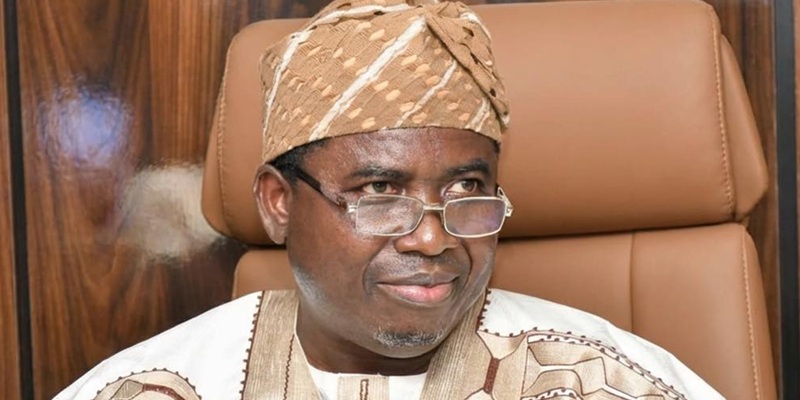
TDA troubling development has emerged in Nigeria’s electoral space, alleging that the Chairman of the Independent National Electoral Commission (INEC), Prof. Joash Amupitan, is a card-carrying member of the ruling All Progressives Congress (APC).

A tweet, now deleted, revealed that Amupitan is an APC member.
The tweet, which is currently circulating on social media, has been interpreted by analysts as evidence of political affiliation with the ruling party.
If and when confirmed, it raises concerns about the neutrality and independence of the electoral body.
INEC Staff as Card-Carrying APC Members
Besides the allegation, multiple reports and political figures further allege that INEC is populated by card-carrying APC members.
The revelation has raised serious concerns about neutrality and the credibility of upcoming elections.
Key Allegations
Senator Kabiru Marafa, a former Tinubu/Shettima campaign coordinator, claimed that “INEC is filled with APC members”.
Marafa warned that this undermines the commission’s neutrality and could compromise the 2027 general elections.
Dino Melaye, former Kogi West senator, accused INEC of becoming a “department of the APC”.
Melaye cited bias in its handling of opposition parties and calling for the chairman’s removal.
Reports suggest that appointments into INEC leadership positions allegedly include individuals with partisan ties.
This development contravenes Nigerian law requiring electoral officials to be non-partisan.
The resurfaced but deleted tweet allegedly linked to INEC’s leadership has intensified suspicions, with critics arguing that such evidence points to deeper institutional compromise.

Why This Matters
- Credibility of Elections: Nigeria’s democracy hinges on the perception of fairness.
If INEC is seen as partisan, public trust in the electoral process could collapse, leading to unrest and delegitimization of results.
- Legal Violations: The Nigerian Constitution and Electoral Act explicitly prohibit partisan affiliations for INEC officials.
Allegations of APC membership among its leadership raise constitutional and legal red flags.
- Political Climate: With APC already controlling 31 state governors, critics argue that partisan INEC leadership could entrench one-party dominance.
It can also stifle opposition voices and weakening democratic competition.
- Historical Context: Nigeria has faced repeated accusations of electoral malpractice since the return to civilian rule in 1999.
Allegations of bias within INEC echo past controversies, including disputed presidential elections in 2007, 2019, and 2023.
Reactions
- Opposition Leaders: Figures like Atiku Abubakar, Peter Obi, and David Mark have joined protests at INEC headquarters, demanding reforms and transparency.
They argue that a compromised umpire cannot deliver credible elections.
- Civil Society Concerns: Advocacy groups such as SERAP and Yiaga Africa warn that misinformation, bias, and lack of neutrality could destabilize Nigeria’s democracy.
They call for independent investigations into INEC’s leadership.
- International Observers: Foreign partners, including the EU and ECOWAS, are monitoring developments closely.
Nigeria’s reputation as West Africa’s democratic leader could be at stake if INEC is perceived as compromised.
- Government Silence: As of now, the presidency has not issued a formal response to these allegations, fueling speculation and public anxiety.

Risks and Implications
- Erosion of Public Trust: Citizens may lose faith in elections, leading to low voter turnout or post-election disputes.
- Potential Legal Battles: Opposition parties could challenge INEC’s composition in court, delaying electoral preparations and creating constitutional crises.
- Escalating Political Tensions: Allegations of bias could deepen Nigeria’s already polarized political climate, increasing the risk of violence during campaigns and after results are announced.
- International Scrutiny: Nigeria’s democratic credibility may be questioned by observers and foreign partners if INEC is seen as compromised, potentially affecting foreign investment and diplomatic relations.
The allegations that INEC’s leadership includes card-carrying APC members represent a serious threat to Nigeria’s democratic integrity.
With the 2027 elections approaching, transparency and accountability in the commission’s operations are critical.
Calls for reform, leadership changes, or independent investigations are likely to intensify in the coming months.
Note, however, that these are allegations reported by politicians and media outlets.
Official confirmation or rebuttal from INEC and the Nigerian government is still pending.
Citizens should follow updates from trusted news sources and official statements for verified information.