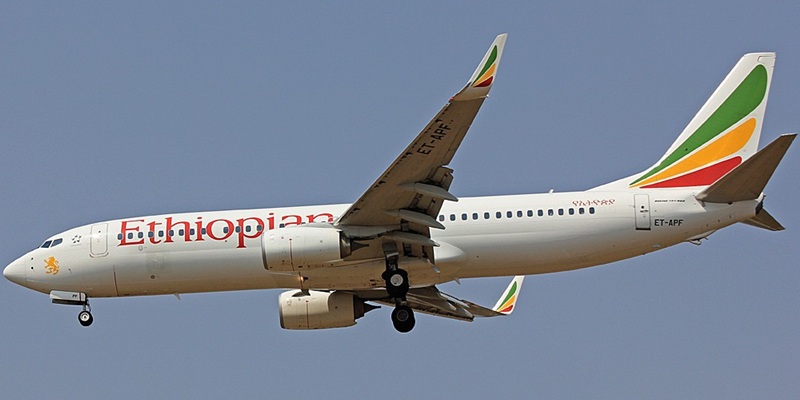
TDThree years after it was unveiled to Nigerians as the pioneer aircraft of the controversial Nigeria Air project, the Boeing 737-800 at the centre of one of Nigeria’s most contentious aviation scandals remains active in commercial service across Africa.

Far from being the first aircraft of a new Nigerian national carrier, aviation records, official testimonies, flight-tracking data, and court proceedings have established that the aircraft displayed before dignitaries and the media in Abuja on May 26, 2023, belonged to Ethiopian Airlines and never became the property of Nigeria Air.
The aircraft, bearing registration ET-APL, has since become a symbol of what critics describe as one of the most elaborate public relations deceptions in Nigeria’s aviation history.
“Nigeria Air”: The Unveiling That Shocked Aviation Industry
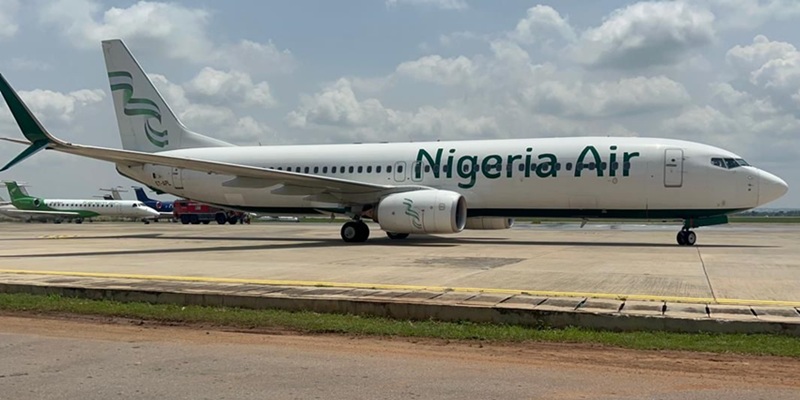
On May 26, 2023, then Minister of Aviation, Hadi Sirika, presided over the unveiling of what was presented as the first aircraft of the proposed Nigeria Air project at the Nnamdi Azikiwe International Airport, Abuja.
The unveiling was hailed by government officials as the culmination of years of planning aimed at establishing a new national carrier.

However, aviation professionals immediately spotted irregularities.
The aircraft carried the registration number ET-APL, a registration prefix assigned to Ethiopia.
Nigerian-registered aircraft typically carry registrations beginning with 5N-.
Questions quickly emerged.
If Nigeria Air had acquired its first aircraft, why was it carrying an Ethiopian registration?
Subsequent investigations would reveal that the aircraft had merely been repainted in Nigeria Air colours and flown into Abuja from Addis Ababa for the ceremony.
Official Testimony Confirms “Nigeria Air” Aircraft Was Chartered
The controversy deepened when Dapo Olumide, the Interim Managing Director of Nigeria Air, appeared before the Senate Committee on Aviation.
Olumide confirmed that the aircraft used for the unveiling was not owned by Nigeria Air.
Instead, it was a legitimate chartered aircraft belonging to Ethiopian Airlines.
After the ceremony, the aircraft returned to normal commercial operations.
This revelation sparked outrage among lawmakers and members of the public who believed they had witnessed the launch of a genuine national carrier.
Several members of the National Assembly later described the exercise as misleading and demanded investigations into the circumstances surrounding the unveiling.
The Aircraft’s True Identity
Aviation databases identify the aircraft as:
- Aircraft Type: Boeing 737-860 (737-800 series)
- Registration: ET-APL
- Manufacturer Serial Number (MSN): 40965
- Boeing Line Number: 4075
- Engines: Two CFM International CFM56-7B27E engines
- Original Owner: Ethiopian Airlines
- Production Facility: Boeing Renton Factory, Washington, United States
- Current Status: Active
The aircraft was manufactured in June 2012 and delivered new to Ethiopian Airlines on June 22, 2012.
As of June 2026, the aircraft is approximately fourteen years old.
Following the Aircraft’s Journey
Records show that after leaving Boeing’s Renton production facility in Washington State, the aircraft embarked on a ferry flight route that took it through:
- Boeing Field, Seattle
- Washington Dulles Airport
- Paris Charles de Gaulle Airport
- Addis Ababa Bole International Airport
It entered Ethiopian Airlines service shortly thereafter.
Ownership and Operator History
Contrary to public impressions created during the Nigeria Air unveiling, the aircraft has never been owned by Nigeria Air.
Its documented operational history shows:
Ethiopian Airlines (2012–2014)
The aircraft entered service with Ethiopian Airlines immediately after delivery and operated regional and international routes across Africa and the Middle East.
Malawian Airlines (2014–2015)
In February 2014, the aircraft was leased to Malawian Airlines, a carrier jointly backed by the Government of Malawi and Ethiopian Airlines.
Even during this lease period, the aircraft retained its Ethiopian registration.
Return to Ethiopian Airlines (2015–2026)
The aircraft returned to Ethiopian Airlines in August 2015 and resumed operations across the airline’s network.
It was during this period that it was selected, repainted, and flown to Nigeria for the Nigeria Air unveiling ceremony.
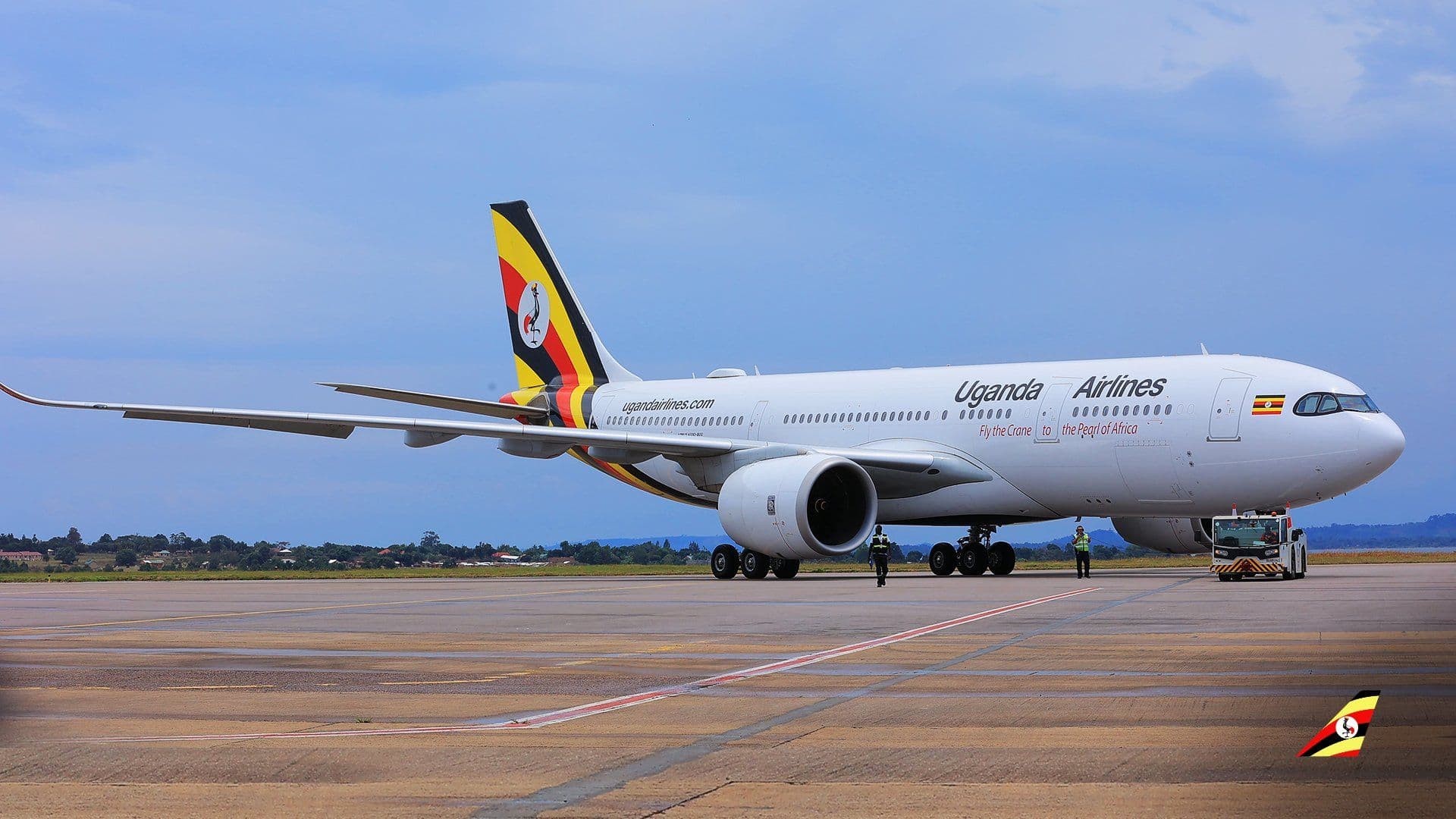
Uganda Airlines (2026–Present)
Fleet records indicate that the aircraft entered service with Uganda Airlines in May 2026 under a lease arrangement while ownership links remained tied to Ethiopian Airlines.
What Happened to Nigeria Air After the Abuja Ceremony?
One of the most damaging revelations for the Nigeria Air project came from flight-tracking records.
Data showed that after participating in the Abuja unveiling ceremony, ET-APL departed Nigeria and resumed commercial service.
The aircraft was subsequently observed operating regular Ethiopian Airlines routes.
In essence, the same aircraft presented as Nigeria Air’s inaugural fleet asset simply returned to its previous owner and continued transporting paying passengers across Africa.
The aircraft never became part of a functioning Nigeria Air fleet because no such fleet existed.
Where Is the Aircraft Today?
The aircraft remains active.
The latest publicly available ADS-B tracking information as of June 11, 2026, indicates that ET-APL was recently detected in the vicinity of Addis Ababa, Ethiopia.
Recent flight records also show the aircraft operating East African routes, including services connected to Uganda Airlines.
Tracking databases confirm:
- ET-APL remains airworthy.
- It continues commercial operations.
- It is still flying passengers across Africa.
- It remains one of the most recognisable aircraft in Nigerian aviation history due to its role in the Nigeria Air controversy.
Nigeria Air: A Flying Reminder of a Failed Promise
The significance of ET-APL extends beyond aviation.
For many Nigerians, the aircraft has become a physical reminder of billions of naira spent on a national carrier project that never materialised.
What was presented to the nation as the birth of a new airline turned out to be a leased Ethiopian Airlines aircraft temporarily repainted for a ceremonial unveiling.
Three years later, the aircraft continues flying ordinary commercial routes while the Nigeria Air project remains grounded.
As investigations, legislative inquiries, and court proceedings continue to examine the circumstances surrounding the Nigeria Air launch, ET-APL remains in the skies—an enduring symbol of one of the most controversial episodes in Nigeria’s aviation history.
Today, the aircraft that was once displayed as “Nigeria Air” is still flying.
What never took off was the airline itself.