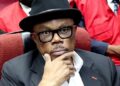
TDFormer Anambra State Governor and presidential candidate of the Nigeria Democratic Congress (NDC), Peter Obi, has sharply criticized President Bola Tinubu’s administration for what he described as “excessive and imprudent borrowing”.

Mr. Obi said the borrowing continues despite a dramatic increase in national revenue.
Revenue Growth vs. Debt Explosion
In his statement marking Tinubu’s three years in office, Obi noted that government revenue rose from ₦16.8 trillion in 2022 to ₦35 trillion in 2025, representing an increase of over 100%.
However, instead of reducing borrowing, Obi said the administration has plunged Nigeria deeper into debt.
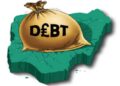
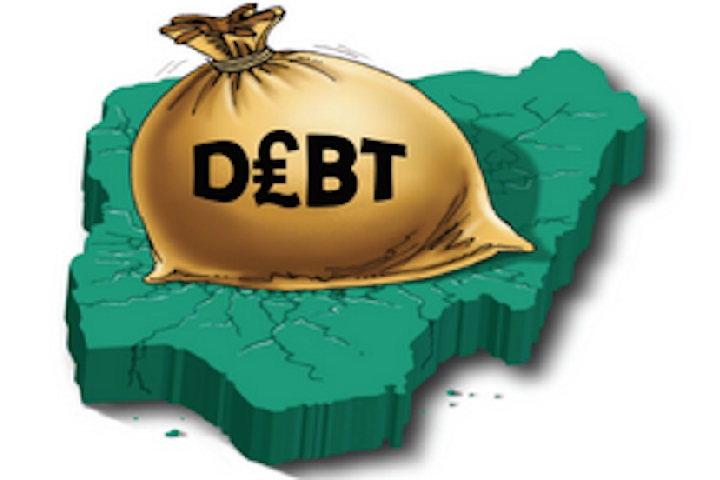
The country’s total debt currently stands at ₦200 trillion — an increase of more than ₦100 trillion in just three years.
Obi contrasted this with the previous administration under Muhammadu Buhari, which accumulated about ₦49 trillion in eight years, projecting to around ₦80 trillion if extended.
He described Tinubu’s borrowing spree as reckless and unsustainable.
Socio-Economic Indicators Worsen
Despite the revenue surge, Obi lamented that almost all key socio-economic indicators have deteriorated since 2023:
- Multi-dimensional poverty has risen from 87 million people in 2023 to over 140 million in 2025.
- Unemployment continues to climb, leaving millions without livelihoods.
- GDP per capita has dropped from $1,597 in 2023 to $1,223 in 2025, reflecting declining productivity and worsening living standards.
Obi described the situation as “more and more hardship for Nigerians,” questioning where the money generated and borrowed has gone.
Borrowing Without Accountability
Citing data from the Federation’s Budget Office, Obi revealed that Tinubu’s government borrowed ₦11.89 trillion in the first three quarters of 2025.
It overshoots the planned borrowing target of ₦10.34 trillion by about ₦1.54 trillion.
Alarmingly, only ₦3.10 trillion of the borrowed funds was allocated to capital expenditure, representing just 17.66% of the ₦17.58 trillion earmarked for capital projects.
This left a deficit of ₦14.48 trillion in unfunded capital expenditure.
Obi stressed that there has been no explanation or transparency regarding how the balance of the borrowed funds was utilized.
He accused the government of opaque financial management, asking whether the funds were diverted to recurrent expenditure, frivolous consumption, or even political campaign financing.
Call for Transparency
Obi insisted that Nigerians deserve a detailed and transparent account of how the country’s resources have been managed since 2023.
He urged the government to stop what he termed “imprudent, unaccountable, and opaque management of our common patrimony.”
He concluded his statement with optimism, declaring: “A new and productive Nigeria is POssible, and Nigeria will be OK!”
Implications
Obi’s remarks add to growing concerns about Nigeria’s debt sustainability and governance.
Analysts warn that the combination of rising debt, worsening poverty, and declining productivity could push the country into deeper economic crisis if corrective measures are not taken.
The criticism also underscores the political tension between Tinubu’s administration and opposition figures.
These figures argue that the government’s economic policies have failed to deliver relief to ordinary Nigerians despite record revenues.
Key Takeaway: Peter Obi’s intervention highlights the paradox of Nigeria’s current economic trajectory — soaring revenues paired with unprecedented borrowing, yet worsening hardship for citizens.
His call for accountability resonates with widespread public frustration over the state of the economy.