

 ABUJA, Nigeria — Nigeria has completed the 21-day monitoring of all 62 people linked to its imported Ebola case. None developed the disease, marking a significant development in the country’s efforts to prevent further transmission.
The Nigeria Centre for Disease Control and Prevention (NCDC) announced the development on Friday, November 13.
The agency confirmed that the final contact had completed the mandatory monitoring period.
According to the NCDC, no secondary Ebola transmission was detected among the 62 identified contacts.
The development offers relief following weeks of heightened surveillance and public health concerns.
Thirteen Contacts Developed Ebola Symptoms but Tested Negative
The NCDC disclosed that 13 of the 62 contacts developed fever or other symptoms during monitoring.

However, laboratory investigations confirmed that all 13 tested negative for the Bundibugyo virus disease.
The agency also investigated seven additional suspected Ebola alerts reported across five states.
The affected states included Adamawa, Rivers, Borno, Lagos and Ekiti.
All seven suspected cases tested negative, according to the agency.
The NCDC emphasised that identifying someone as an Ebola contact does not mean that person has contracted the disease.
The 21-day monitoring period helps health officials identify possible symptoms and respond quickly.

Nigeria’s First Confirmed Case in More Than a Decade
Nigeria confirmed an imported case of Bundibugyo virus disease on October 20, 2026.
The patient was a Swiss woman who had travelled to Uganda before returning to Nigeria.
She arrived in Abuja on October 3 and developed symptoms several days later.
She was admitted to a private hospital before laboratory investigations confirmed the infection.
Following confirmation, health authorities activated emergency response measures and began tracing people who had contact with her.
The patient was medically evacuated to Switzerland on October 26 for further treatment.

She subsequently recovered and was discharged from Geneva University Hospitals on November 11.
Her husband, a Swiss diplomat, was also evacuated to Switzerland for monitoring.
NCDC Says Nigeria Is Not Yet Officially Ebola-Free
Despite completing contact monitoring, the NCDC has cautioned against declaring Nigeria Ebola-free prematurely.
The agency explained that completing the monitoring of identified contacts does not automatically end an outbreak.
A formal declaration must follow established public health requirements and involve the World Health Organisation (WHO).
Under the applicable protocol, the required countdown is based on the last confirmed patient’s recovery or departure, not simply the completion of contact tracing.
The agency therefore says surveillance and preparedness measures must continue.
This is particularly important because Ebola outbreaks remain a concern in parts of Africa.
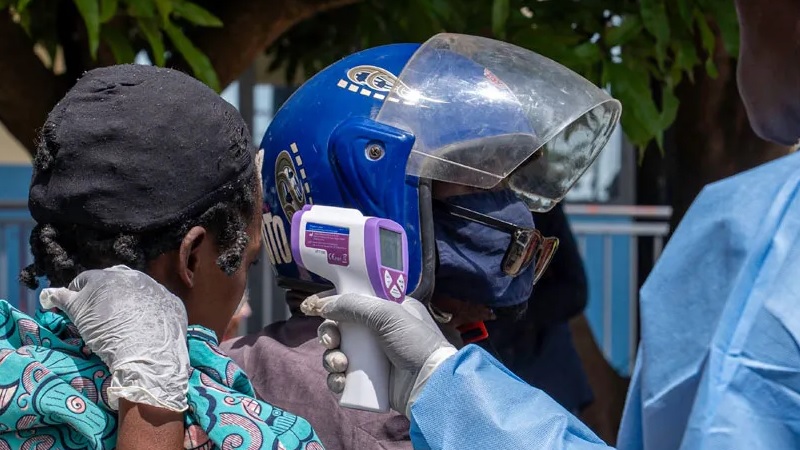
Health Authorities Maintain Surveillance
The NCDC said Nigeria’s response involved several public health agencies and government institutions.
Measures included contact tracing, laboratory testing and investigations of suspected cases.
Authorities also strengthened infection prevention procedures in healthcare facilities.
Surveillance activities at international entry points were maintained to identify possible imported infections.
The agency urged healthcare workers to remain alert and establish patients’ travel histories.
It also advised Nigerians to seek medical attention promptly when experiencing concerning symptoms.
People who suspect possible exposure should avoid contact with others and call the NCDC toll-free line, 6232, for guidance.
What the Development Means for Nigerians
The successful completion of monitoring without secondary transmission represents an important achievement for Nigeria’s public health response.
It demonstrates the importance of early detection, contact tracing and coordinated emergency preparedness.
However, health authorities warn that the country must not become complacent.
International travel and ongoing disease outbreaks elsewhere mean that the risk of imported infections remains.
The NCDC has therefore urged citizens to continue following public health guidance.
For now, the completion of monitoring provides encouraging news, but vigilance remains essential.
This Dawn News will continue monitoring updates from the NCDC and WHO as Nigeria works towards meeting the requirements for an official end-of-outbreak declaration.