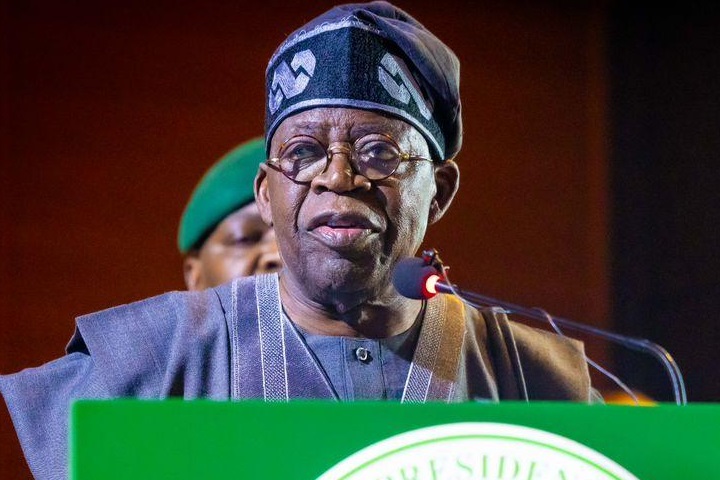
THIS DAWN — The Presidency has reaffirmed that Nigeria’s new tax laws will commence on January 1, 2026, as scheduled, despite ongoing public debate over alleged discrepancies in the legislative process. In a press statement issued on December 30, 2025, President Bola Ahmed Tinubu described the reforms as a “once‑in‑a‑generation opportunity” to build a fair, competitive, and robust fiscal foundation for the country. The statement underscores the administration’s determination to proceed with implementation while pledging to uphold due process and work with the National Assembly to resolve any outstanding issues.

Background to the Reforms
The tax reforms were introduced in two phases:
- The first set of laws took effect on June 26, 2025.
- The remaining acts are scheduled to commence on January 1, 2026.
Together, they represent one of the most ambitious fiscal restructuring efforts in Nigeria’s recent history. The reforms aim to harmonize tax administration, reduce duplication, and strengthen the social contract between citizens and the state. According to the Presidency, the laws are not designed to raise taxes but to reset the system structurally, ensuring fairness and competitiveness.
Key Highlights of the Statement
President Tinubu’s press release emphasized several points:
- Commitment to Implementation: The reforms are firmly in the delivery stage, and stakeholders are urged to support the process.
- Purpose of the Laws: They are intended to harmonize Nigeria’s tax regime, protect dignity, and strengthen the social contract, rather than simply increase tax burdens.
- Public Concerns: While acknowledging discourse around alleged changes to some provisions, the Presidency insisted that no substantial issue has been established to warrant disruption.
- Due Process: Tinubu reaffirmed his administration’s commitment to the integrity of enacted laws, pledging to work with the National Assembly to swiftly resolve any identified issues.
- Public Interest: The Federal Government will continue to act in the overriding public interest, ensuring a tax system that supports prosperity and shared responsibility.
Addressing the Controversy
The statement comes against the backdrop of controversy surrounding the tax laws. In recent weeks, lawmakers and civil society groups have raised concerns about discrepancies between the version of the bill passed by the National Assembly and the version signed and gazetted by the President. The National Assembly has since ordered a re‑gazetting of the laws, effectively confirming that alterations occurred post‑assent.
Despite these concerns, the Presidency maintains that the reform process should not be disrupted. Tinubu argued that “absolute trust is built over time through making the right decisions, not through premature, reactive measures.” This suggests the administration views the controversy as manageable within constitutional frameworks and not sufficient to derail implementation.
Implications for Stakeholders
For businesses, investors, and citizens, the confirmation that the laws will commence as planned provides clarity and certainty. The reforms are expected to:
- Simplify compliance by harmonizing tax codes.
- Reduce opportunities for corruption and arbitrary enforcement.
- Strengthen Nigeria’s fiscal base, enabling better funding for infrastructure and social programs.
- Improve competitiveness by aligning Nigeria’s tax system with international best practices.
However, critics warn that unresolved questions about legislative integrity could undermine confidence in the reforms. Ensuring transparency and accountability in the re‑gazetting process will be crucial to maintaining trust.
Political and Economic Significance
The reforms are politically significant as they represent Tinubu’s most ambitious economic restructuring initiative since assuming office. By pressing ahead despite controversy, the Presidency signals its resolve to deliver on fiscal modernization. Economically, the reforms are intended to broaden Nigeria’s revenue base, reduce reliance on oil, and create a more predictable environment for investment.
President Bola Ahmed Tinubu’s December 30 press statement confirms that Nigeria’s new tax laws will commence on January 1, 2026, as planned. While acknowledging public concerns about alleged alterations, the Presidency insists that no substantial issue has been established to halt the process. Tinubu pledged to uphold due process, work with the National Assembly, and act in the overriding public interest.
The coming weeks will be critical as stakeholders prepare for implementation and lawmakers finalize the re‑gazetting process. For Nigerians, the reforms represent both a challenge and an opportunity: a chance to reset the tax system for fairness and prosperity, but also a test of the country’s commitment to constitutional integrity and accountability.