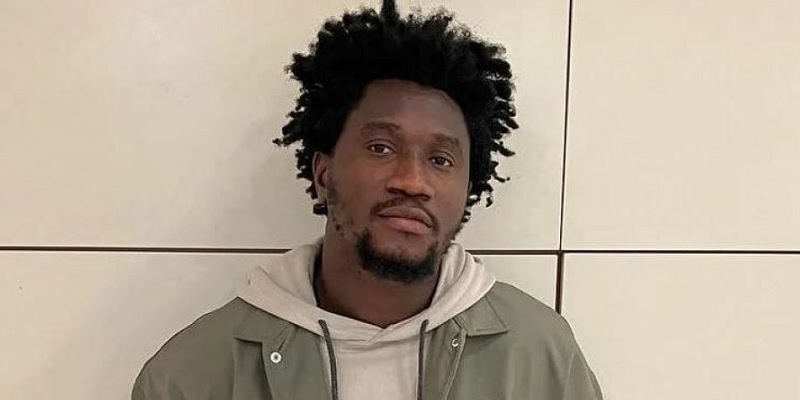
TD Nigerian skit maker, comedian, and musician Nasboi has found himself at the centre of a heated online debate.

After a now-deleted post about insecurity in Nigeria went viral on X (formerly Twitter) and other social media platforms.
The controversy began when Nasboi shared a video showing armed men on motorcycles firing weapons.
The clip was reportedly tagged in a way that suggested it was happening in Nigeria, with some accounts noting that he linked it to President Bola Tinubu.
His post came amid growing public frustration over worsening insecurity, particularly following reports of mass abductions — including over 40 people kidnapped in Oyo State.
Nasboi Faces Backlash
However, critics quickly accused Nasboi of spreading misinformation.
Presidential aide Dada Olusegun dismissed the video as “fake news”.
Olusegun clarified that the footage was from terrorist activity in Benin Republic, not Nigeria.
This fueled accusations that Nasboi was fear-mongering and using sensitive content for engagement rather than responsible advocacy.
The backlash forced Nasboi to delete the post, but the conversation it sparked has not died down.
Supporters argue that, regardless of the video’s origin, his frustration reflects the lived reality of Nigerians who face banditry, kidnappings, and insecurity daily.
They see his platform as a necessary voice drawing attention to issues often downplayed by officials.
Critics, on the other hand, warn that influencers must exercise caution when posting unverified content, as misinformation can worsen public anxiety and erode trust.
Broader Implication
This incident fits into Nasboi’s recent pattern of using his platform to comment on national issues such as hardship and insecurity.
While some hail him as “more useful than the VP” for speaking out, others believe his approach risks undermining credibility.
The episode highlights a broader tension in Nigeria’s digital space: the role of entertainers and influencers in shaping public discourse.
As insecurity continues to dominate headlines, the debate over whether Nasboi’s actions were reckless or courageous underscores the fragile balance between advocacy and accuracy in an era of viral content.