TDThe FBI has arrested a former U.S. Special Operations Command (SOCOM) employee accused of leaking classified information about the downing of an F-15E Strike Eagle fighter jet over Iran.

The revelation has ignited a storm in Washington, drawing sharp condemnation from President Donald Trump.
It also raised urgent questions about insider threats, operational security, and the delicate balance between national security and press freedom.
What began as a military crisis has now evolved into a political and institutional reckoning.
The Arrest of the Leaker of Downed Fighter Jet
- The FBI confirmed the arrest of a former SOCOM employee who allegedly passed sensitive details to a media outlet.
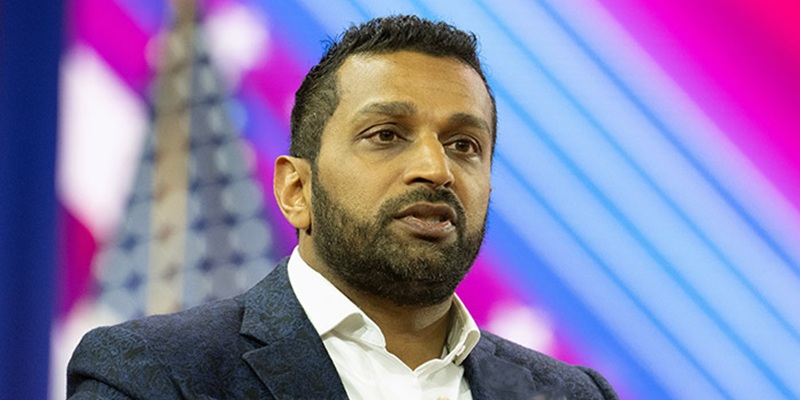
- FBI Director Kash Patel emphasized the gravity of the betrayal.
Patel described the suspect as someone who once supported “top-level military warfighters” but chose to compromise their safety.
- Patel issued a stern warning:
“Let this serve as a message to any would-be leakers: we’re working these cases, and we’re making arrests.
“This FBI will not tolerate those who seek to betray our country and put Americans in harm’s way.”
The arrest was coordinated with the FBI’s Charlotte, N.C., field office.
It underscored the nationwide scope of the investigation and the seriousness with which federal authorities treat leaks of classified military information.
White House Reaction Over Leaked Downed Fighter Jet
President Trump’s response was swift and uncompromising:
- At a White House press conference, he branded the leaker a “sick person”.
He vowed to pursue the media company that published the story, even threatening jail time for journalists who refused to disclose their source.
- Trump argued the leak endangered both the downed pilot and the rescue teams, stating:
“All of a sudden, the entire country of Iran knew that there was a pilot… fighting for his life.
“It became a much more difficult operation because a leaker leaked that we have one.”
- He claimed Iran issued a reward for capturing the pilot, intensifying the danger by mobilizing civilians alongside hostile forces.
The president’s remarks highlight the administration’s view that leaks are not merely breaches of protocol but direct threats to lives and missions.
The Rescue Operation
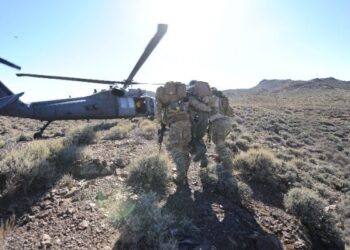
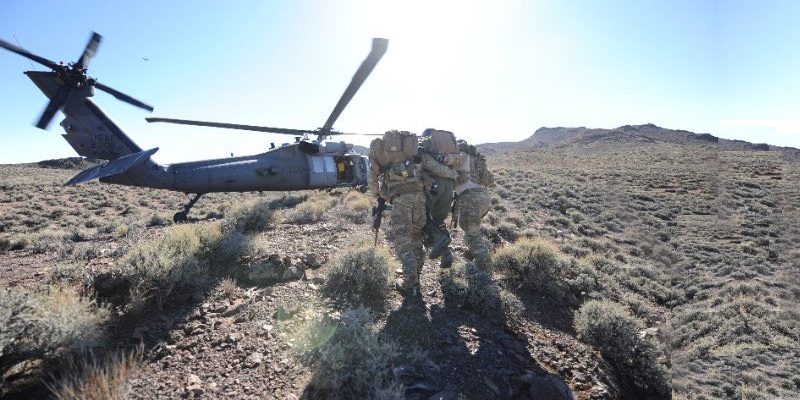
Despite the leak, U.S. forces executed a daring and complex rescue mission.
The front-seat pilot of the fighter jet was rescued shortly after the jet was shot down in southwestern Iran.
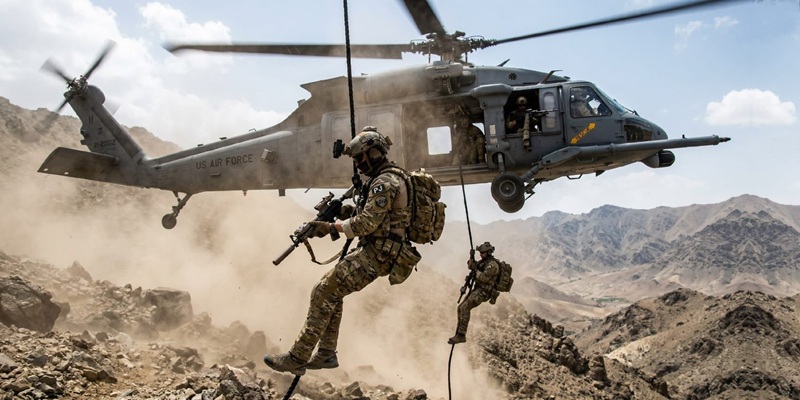
The back-seat weapons systems officer, a colonel, endured two days behind enemy lines before being extracted in a high-risk operation involving hundreds of personnel and multiple aircraft.
Rescue teams faced hostile fire, underscoring the perilous conditions exacerbated by the leak.
For over two days, the Pentagon refused to confirm the crash, fueling speculation and media coverage until the rescue was complete.
The operation demonstrated both the resilience of U.S. forces and the fragility of missions when operational secrecy is compromised.
National Security vs. Press Freedom
This case of the leaked downed fighter jet crystallizes a long-standing tension in American democracy:
- National Security Concerns: The administration insists leaks compromise missions, expose vulnerabilities, and put lives at risk.
- Press Freedom: Journalists argue that reporting on military incidents is essential for accountability, especially when governments withhold information.
- Legal Precedent: The FBI’s aggressive pursuit of leakers signals a hardline stance that could shape future whistleblower and press freedom cases.
The clash raises fundamental questions: Should the press be restrained in times of war, or does transparency outweigh secrecy when lives are at stake?
Broader Implications of the Leaked Downed Fighter Jet
- Military Operations: The leak complicated rescue efforts, showing how information warfare can extend beyond the battlefield.
- Political Fallout: Trump’s threats against the media raise concerns about press freedom under national security pressures.
It potentially puts a chill on investigative journalism.
- Institutional Trust: The arrest of the leaker of the downed fighter jet exposes vulnerabilities within SOCOM.
It highlights the need for stronger safeguards against insider leaks and reinforcing debates about loyalty and accountability in sensitive military roles.
- Global Perception: The incident may embolden adversaries, who see U.S. institutions grappling with internal breaches.
Meanwhile, allies may question America’s ability to safeguard classified information.
Way Forward
The downing of the F-15E Fighter Jet and the subsequent leak have transcended the battlefield.
It has become a flashpoint in the broader debate over secrecy, accountability, and freedom of the press.
While the rescued pilots are safe, the political, institutional, and diplomatic consequences of this leak will reverberate across Washington and beyond.
The episode underscores a sobering reality: in modern warfare, information can be as dangerous as bullets.
Also, the battle for control over narratives is as consequential as the fight on the ground.