



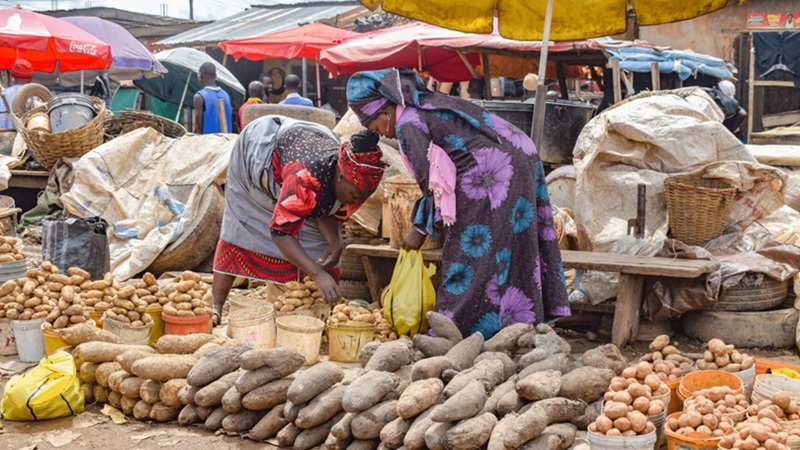

 An estimated 36,289,939 Nigerians faced acute food insecurity at crisis level or worse in October 2026, according to the Alliance for a Green Revolution in Africa (AGRA).
That represented 16.65 per cent of the population covered by the assessment.
AGRA’s October Food Security Monitor ranked Nigeria highest in absolute numbers among 17 African countries monitored.
South Sudan followed with 7.83 million affected people, while Uganda recorded 2.94 million.

However, South Sudan had the highest proportion, with 55 per cent of its assessed population affected.
What The Food Insecurity Report Shows
AGRA’s table uses IPC/Cadre Harmonisé Phase 3 or higher estimates, based on World Food Programme data.

Phase 3 means Crisis, Phase 4 means Emergency, and Phase 5 means Catastrophe or Famine.
These classifications do not mean every affected person is experiencing famine.
The figures indicate varying levels of acute food insecurity and threatened livelihoods.
AGRA said Nigeria’s total remained unchanged from September. The report warned conditions would remain highly uneven through January 2027.
Northern Nigeria Faces Persistent Food Insecurity Risks
Emergency conditions arising from food insecurity were expected to persist in inaccessible parts of Borno State.
Conflict-affected parts of North-West and North-Central Nigeria were expected to remain in Crisis.

Insecurity was disrupting farming, harvesting, livelihoods and market access. Harvests could temporarily improve conditions in some North-East areas, the report said.
However, displaced households and families with limited land would remain vulnerable.
AGRA identified conflict, displacement, weak purchasing power and disrupted agricultural production as major regional concerns.
What Happened to Food Prices?
AGRA also reported Nigerian maize prices rose 10 per cent over six months. Yet October maize prices remained 12.7 per cent below year-earlier levels.
Rice prices fell 11 per cent month-on-month, according to the monitor, as report presents a mixed picture of food prices and household access.
Lower commodity prices do not automatically mean households can afford sufficient food.

The scale of food insecurity remains a major humanitarian and economic concern.
Verification: AGRA’s primary report supports the figures. Its dashboard identifies WFP data as the source of its estimates.