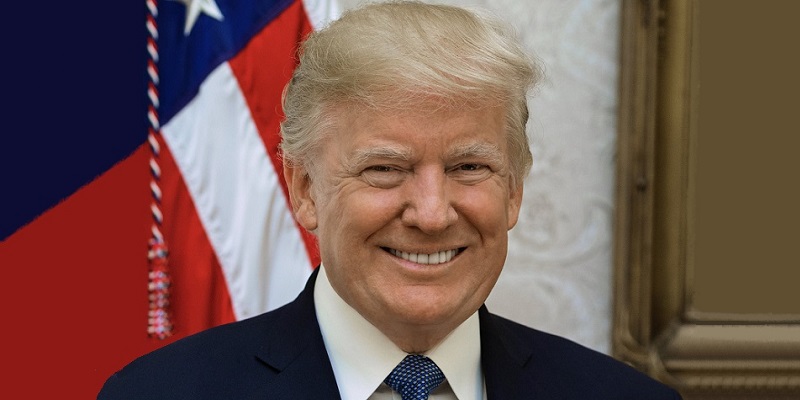
TD WASHINGTON, D.C. — President Donald J. Trump has signed an executive order temporarily allowing the use of tax-exempt dyed diesel fuel on US highways and deferring applicable federal diesel excise-tax payments through the end of 2026.
The White House announced the action on October 5, saying the measure is intended to provide relief to American truckers, farmers and workers facing elevated diesel costs and constrained global supplies.
Federal diesel tax deferred through December
Under the executive order, the Treasury Secretary is directed to determine within five days whether tax relief can be provided under existing federal law and, if authorized, defer certain diesel fuel tax obligations incurred between October 5 and December 31, 2026.
The deferred amounts would be subject to no interest, penalties or additional tax to the extent permitted by law. The Treasury Department is also directed to explore ways of eliminating the obligation to repay the deferred taxes.
The federal diesel excise tax is 24.4 cents per gallon. The White House estimates that this represents approximately $60 in federal tax on a 250-gallon fill, while savings could exceed $100 per fill in states that adopt corresponding measures.
What is dyed diesel?
Dyed diesel, commonly called red diesel, is fuel traditionally designated for off-road applications such as agricultural machinery, construction equipment and heating.

It is dyed red to enable authorities to distinguish it from fuel intended for highway use, which is normally subject to federal and state fuel taxes.
The new order directs federal agencies to provide temporary relief concerning the use of dyed diesel on highways between October 5 and December 31. It also directs the IRS to announce that it will not impose specified penalties associated with the highway use of dyed diesel during the relief period, subject to the applicable legal authority.
States encouraged to follow federal action
The order does not automatically eliminate every state-level diesel tax.
Instead, the administration is directing the Transportation Department to coordinate with state governments, industry representatives and labor organizations on implementation. The Agriculture Department is also instructed to work with agricultural cooperatives, fuel distributors and other stakeholders to ensure adequate supplies of dyed diesel in high-demand areas.
The White House Office of Intergovernmental Affairs is further directed to encourage states to adopt policies corresponding with the federal relief.
Trump cites global diesel supply pressures
Announcing the measure in Nebraska, Trump said the administration was responding to elevated diesel prices and restricted global supplies.

The White House attributes the supply pressures to the Russia-Ukraine war and insufficient refining capacity internationally. The administration’s fact sheet also criticizes refinery closures in some Democratic-led states, arguing that energy policies contributed to reduced refining capacity. Those explanations are presented as the administration’s assessment of the causes of current diesel-market pressures.
Trump said the action was intended to provide immediate relief to the truckers and farmers who transport goods and produce food for the country.
Administration highlights broader energy measures
The White House also pointed to other policies it says are intended to reduce energy costs and support the agricultural and transportation sectors.
According to the administration, more than $40 billion in direct aid has been provided to farmers since January 2025. It also says truck-driver earnings have risen by more than 7% since Trump returned to office and that the Department of Transportation has provided additional driving flexibility for drivers transporting gasoline and diesel.
The White House further cited a claimed August 2026 agreement involving Venezuela and an October 2026 arrangement under which Europe would release 100 million barrels of refined diesel from strategic reserves over four months. These figures and descriptions are claims made by the administration in its fact sheet.
Executive order takes effect amid high fuel costs
The executive order establishes a temporary framework running through December 31, 2026, while federal agencies develop implementing guidance.

The Treasury Department is expected to specify the taxpayers, locations, liabilities, deadlines and other conditions covered by the relief. The order also directs federal authorities to continue safety and highway compliance measures while coordinating with states and the trucking and agricultural industries.
The White House said the measure is part of Trump’s broader effort to reduce fuel costs and support industries considered essential to the US economy.
Source: The White House — Emergency Tax Relief on Diesel Fuel
Additional source: White House Fact Sheet: President Donald J. Trump Promotes Diesel Affordability