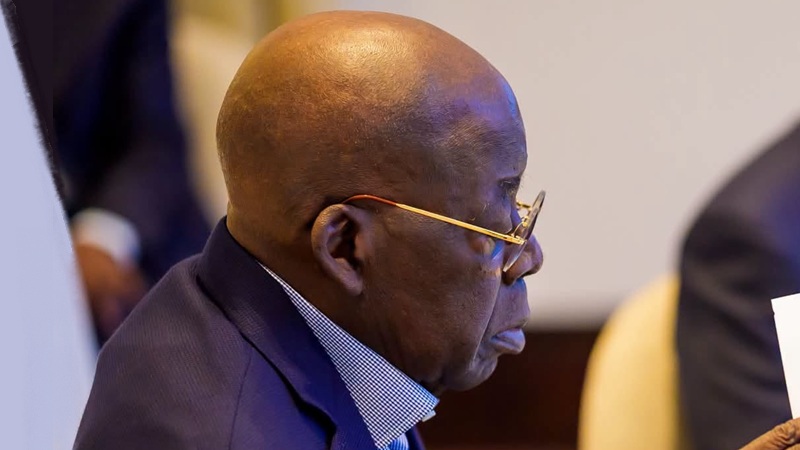

 ABUJA, Nigeria — President Bola Tinubu has asked the National Assembly to approve a fresh external borrowing plan involving approximately $20.52 billion and €1.045 billion, as the Federal Government seeks additional financing for infrastructure and other development programmes.
The request was transmitted to the National Assembly and read during plenary by Senate President Godswill Akpabio on Tuesday, October 27, 2026.
According to reports by Nigerian media outlets, the proposed borrowing covers the 2026–2027 fiscal period and is intended to finance projects and programmes across critical sectors of the economy.
The request is subject to legislative scrutiny and approval. It should not be interpreted as evidence that the Senate has already authorised the borrowing.
Senate Refers Request to Debt Committee
Following the presentation of the President’s request, the Senate referred the proposal to its Committee on Local and Foreign Debts for examination.
The committee was reportedly given one week to review the request and report its findings to the Senate.

The legislative review is expected to examine the proposed borrowing arrangements and the government’s plans for deploying the funds.
The referral means that the proposal must undergo further consideration before the Senate can decide whether to grant the requested approval.
Sectors to Benefit from Proposed Borrowing
The Federal Government has indicated that the proposed external financing would support development projects and programmes in several sectors.
These include:
- Power: Investments in electricity infrastructure and improved power supply.
- Transportation: Development and improvement of transport infrastructure.
- Healthcare: Support for health facilities and related services.
- Education: Financing for education-related projects.
- Agriculture: Investment in agricultural development and food production.
- Water supply: Projects aimed at improving access to water.
- Security: Support for programmes addressing security challenges.
- Employment generation: Initiatives intended to promote economic activity and job creation.
The government maintains that external financing can help bridge infrastructure gaps and support economic development.
However, the effectiveness of the proposed borrowing will depend on the specific projects financed, the terms of the loans, implementation standards and the returns generated by the investments.

Important Clarification: Euros, Not British Pounds
Questions have arisen over the currencies cited in reports about the proposed borrowing.
Some headlines described the second component as £1.04 billion, suggesting British pounds.
However, reports by other Nigerian media organisations correctly identify the amount as approximately €1.045 billion in euros, not British pounds.
The distinction is important because the euro and the British pound are separate currencies with different exchange rates.
For accuracy, the proposed amounts should be reported as approximately $20.52 billion and €1.045 billion, subject to confirmation against the official correspondence submitted to the National Assembly.
Debt Sustainability and Public Accountability
The proposed borrowing comes amid continuing public debate over Nigeria’s debt burden, the cost of servicing existing obligations and the country’s need to finance infrastructure and essential public services.

External borrowing can provide governments with funds for projects that may otherwise be difficult to finance through current revenue.
However, such borrowing also creates repayment obligations that can place additional pressure on public finances.
For Nigeria, the central questions include the interest rates and other conditions attached to the proposed facilities, their repayment periods, the projects to be financed and the expected economic benefits.
Transparency over the terms of the borrowing and the use of the proceeds will be important in assessing whether the proposed financing delivers sufficient value to justify its long-term fiscal obligations.
Lawmakers will also need to consider how the proposed facilities fit into Nigeria’s existing borrowing programme and broader debt-management framework.
Legislative Approval Still Pending
The President’s request represents a proposal for additional external financing, not a completed borrowing transaction.
The Senate committee’s review is an important stage in the approval process.
The outcome will determine the next steps in the Senate’s consideration of the request.
Until the legislature reaches a decision, it would be premature to describe the proposed borrowing as fully approved.
Further details concerning the individual financing facilities, their terms and the allocation of funds should be assessed against official documents as they become available.
This Dawn News will continue to monitor the legislative process and report any confirmed developments concerning the proposed borrowing plan.