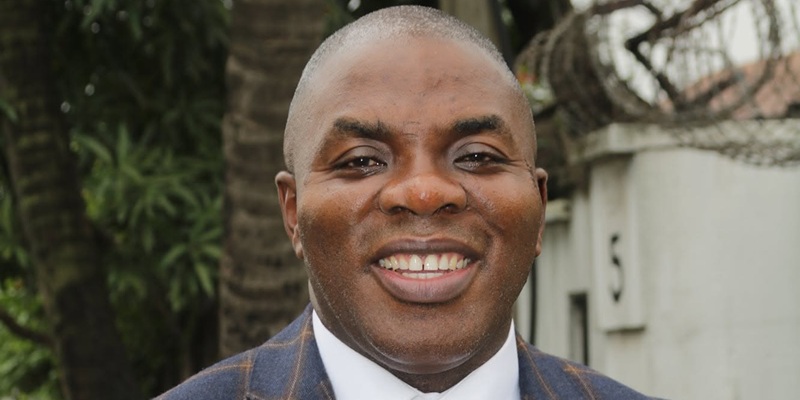
TD Recently, social media was awash with a short video of Chief (Pastor) Peter Ebere Nwosu, Ezeudo of Nanka, reportedly gifting N500,000 each to 30 members of his Umunna who attended a community meeting.

Beyond the N15 million involved, there is a deeper lesson for Ndigbo.
Ezeudo is an accomplished businessman associated with major interests in Nigeria’s pharmaceutical and healthcare sectors. Yet, what makes this particular gesture significant is not his wealth, but his recognition of the Umunna; one of the oldest foundations of Igbo communal organisation.
In traditional Igbo society, individual accomplishment was never entirely separated from communal responsibility. The successful man was expected to remember the community from which he emerged.
This perhaps reflects the tripartite spirit that historically propelled Ndigbo: Igbambo (the spirit of struggle); Njepu (the spirit of adventure); and Aka Ikenga (achievement through personal endeavour).
Through these, generations of Igbo people travelled, struggled, built businesses, created wealth and returned to strengthen their communities.
Yet therein lies the contemporary paradox: Ndigbo have continued to produce remarkable individual successes without sufficiently converting those successes into collective institutional strength.
We have entrepreneurs. We have intellectuals. We have professionals. We have enormous capital and talent across Nigeria and the diaspora.
What appears deficient is an effective architecture for aggregating these individual strengths into coherent leadership and collective purpose.
For too long, Igbo political discourse has understandably emphasised marginalisation and historical injustice. Those questions should not be dismissed. But no people can build their future by explaining their condition entirely through the actions of others.
The more uncomfortable questions are internal: How do Ndigbo select their leaders? What qualifies a person for leadership? Where are the institutions for identifying, mentoring and holding such leaders accountable?
Perhaps some communities are beginning to provide interesting answers.
Across parts of Anambra, accomplished entrepreneurs and professionals are increasingly being called upon to assume important communal and traditional responsibilities.
But the lesson must not be misunderstood. Wealth alone does not qualify anyone for leadership. The emerging model should not be ‘find rich men and make them leaders.’ Rather, it should be:
Find accomplished men and women whose success is accompanied by character, competence, communal consciousness and a demonstrable capacity for service.
This is where Ezeudo’s gesture becomes symbolically important.
The future of Ndigbo requires a new convergence:
Enterprise. Character. Competence. Community. Institution-building.
The historical experiences of other resilient peoples also teach a limited but important lesson: adversity becomes less decisive when a people develop strong institutions, strategic leadership and collective organisation.
Ndigbo cannot control every external circumstance, but they can determine how organised and prepared they are to confront those circumstances.
Perhaps, therefore, the real significance of what happened at Nanka was not the N500,000 received by each attendee.
It was the reminder that individual success acquires greater meaning when it reconnects with the community.
Ndigbo do not lack successful people. Our greater challenge is converting individual greatness into collective strength.
And perhaps the Igbo renaissance we continually seek will not begin somewhere outside Alaigbo. It must begin from within.
Okoro Chinedum Benedict, National Institute for Security Studies, Abuja.