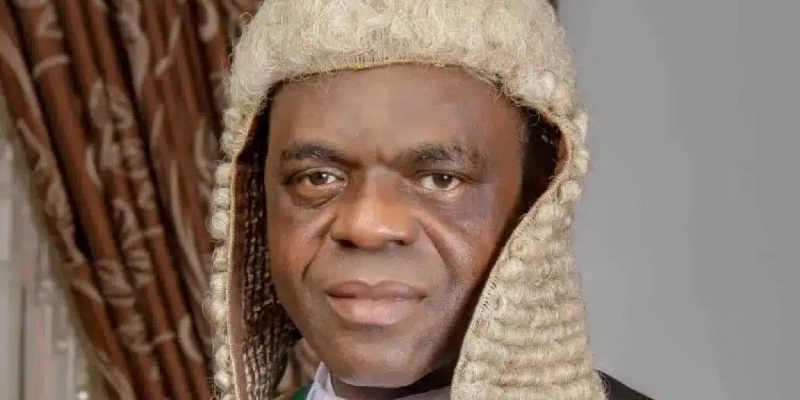

 Constitutional lawyer Chidi Anselm Odinkalu has accused Federal High Court Chief Judge John Terhemba Tsoho of enabling politically influenced rulings.
In a post, Odinkalu called Tsoho the “real culprit” behind what he described as Justice Peter Lifu’s “transactional judicial jobbery.”
Odinkalu alleged that Tsoho personally assigns sensitive cases to a trusted circle of judges who rule in patrons’ interests.
He said case allocation in Nigeria is personal and manual, giving the chief judge influence over which judge hears politically charged disputes.
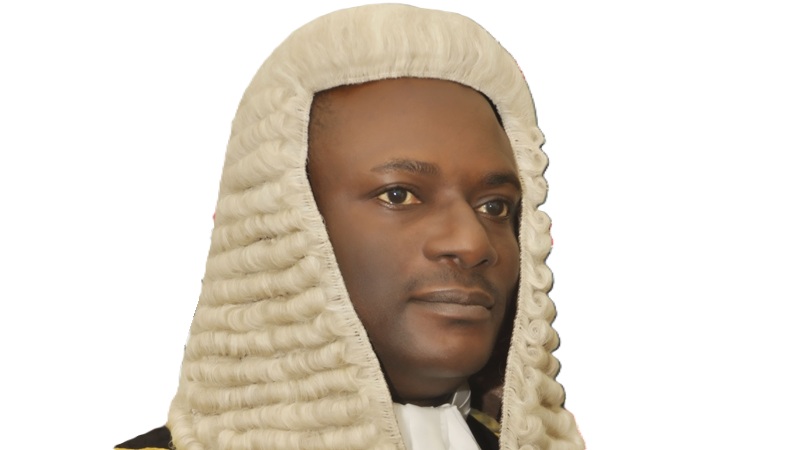
Odinkalu claimed that the Federal High Court has a “closed list” of judges trusted to decide political cases.
He said Lifu holds a prominent position on that alleged list, describing him as one of the bench’s “political hitmen.”

The allegations concern the court’s internal administration and the motives behind judicial decisions; Odinkalu did not provide documentary evidence of collusion.
Neither Tsoho nor Lifu was quoted responding to the accusations in the post or the reports reviewed for this article.
What Lifu’s Latest ADC Judgment Did
Odinkalu’s criticism follows Lifu’s November 5 judgment concerning control of the African Democratic Congress and its 2027 nominations.
The judge ruled that the David Mark-led caretaker leadership was illegally constituted and invalidated actions taken under its authority.
Those actions included the emergence of Mark as national chairman and Rauf Aregbesola as national secretary.
The ruling also nullified the party’s presidential primary, which produced former Vice-President Atiku Abubakar as its 2027 candidate.

It invalidated nominations of other ADC candidates and directed the Independent National Electoral Commission not to recognise decisions from the party’s July 2025 NEC meeting.
The case was filed by Nafiu Bala Gombe, a former ADC deputy national chairman challenging how the Mark-led group assumed leadership.
The ADC and Atiku say they will appeal, arguing that the decision conflicts with an earlier judgment concerning the party.
The court’s complete enrolled orders have not been independently examined in the reporting available, limiting assessment of their precise scope.
The Dispute Over the Earlier Liman Judgment
On July 2, Justice Musa Liman dismissed a separate suit challenging Mark’s leadership, citing jurisdiction, standing and internal party remedies.
Liman also held that the leadership transition to Mark and Aregbesola complied with the ADC constitution and relevant electoral law.

Atiku and the ADC say Lifu’s later ruling cannot displace that earlier judgment from a court of equal standing.
However, the cases were brought by different claimants, and the full judgments have not been compared here.
Whether the rulings conflict legally, and how their orders interact, will be determined through the appeal process.
Odinkalu described Lifu’s ruling as sitting “as his own court of appeal” over Liman’s decision.
That phrase is Odinkalu’s criticism; the reported ruling arose from a separate suit, and its precise legal relationship remains contested.
The ADC campaign council says it has begun preparing an appeal and may seek a stay of execution. (Channels Television, Punch)
Prior Court of Appeal Criticism of Lifu
Odinkalu also cited Lifu’s earlier order directing INEC to deregister the ADC and four other political parties.
In June, the Court of Appeal stayed that order, saying Lifu proceeded despite an appellate directive to halt proceedings.
The appellate panel described that conduct as “the highest form of judicial impertinence,” according to reporting on its ruling.
In July, the Court of Appeal overturned the deregistration judgment, finding the lower court lacked judicial power to hear the suit.
It also held that the plaintiff lacked standing and faulted Lifu for delivering judgment despite the stay order.
Those appellate findings relate to the earlier deregistration case and do not establish misconduct in the current ADC leadership suit.
Odinkalu’s argument is that the earlier episode should heighten scrutiny of how Lifu receives politically sensitive cases.
But the public record reviewed does not establish that Tsoho assigned the latest case to Lifu for a predetermined outcome.
The Federal High Court Act gives its Chief Judge authority to distribute judicial business and assign matters to judges.
That administrative authority alone does not prove improper interference; establishing the allegation would require evidence about this case’s assignment.
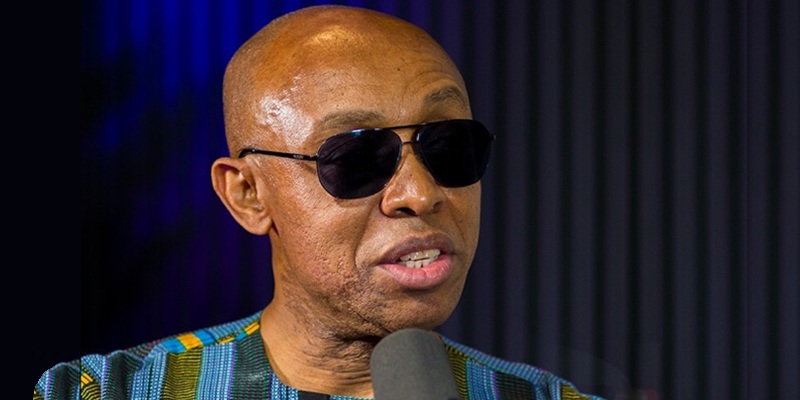
Tsoho’s Administrative Powers and Odinkalu’s Claim
Odinkalu argued that the chief judge’s role includes judge postings, transfers and allocation of cases within the Federal High Court.
He said cases are manually routed through the chief judge or an administrative judge, making the process vulnerable to personal discretion.
The Federal High Court Act confirms that the chief judge distributes the court’s business among judges and may assign particular matters.
That legal power describes the office’s administrative role, but it does not show how any specific case was allocated.
Odinkalu’s claim of a trusted group of judges and pre-determined outcomes remains an allegation, not an established institutional finding.
No assignment records or other evidence were presented publicly in the post to substantiate the alleged list or its operation.
The court’s internal procedures and assignment records could help clarify whether the ADC case followed ordinary administrative practice.
A transparent account would also distinguish routine assignment authority from any claim that a judge was selected to serve political interests.
The current dispute therefore concerns both the substance of Lifu’s ruling and confidence in the process that brought the case before him.
Political Implications and Calls for Scrutiny
The ruling has intensified concerns among ADC leaders and supporters about the party’s ability to contest the 2027 election.
Atiku’s nomination and other ADC candidacies are now uncertain, pending appeals and any further orders affecting INEC recognition.
The party has rejected the judgment but urged supporters to remain peaceful and continue campaigning while pursuing legal remedies.
Odinkalu went beyond criticism of the judgment, alleging deliberate collusion within the court hierarchy to produce political outcomes.
That claim is serious and has not been substantiated by the court rulings or independent evidence reviewed.
Criticism of judicial decisions is distinct from proof that judges committed crimes or coordinated with political patrons.
The Court of Appeal’s earlier criticism of Lifu is documented, but it addressed his conduct in the separate deregistration case.
No ruling cited here finds that Tsoho personally manipulated case allocation or that Lifu’s latest judgment was pre-determined.
The next legal steps, including an appeal and possible stay application, may clarify the scope and effect of the ruling.
Until then, Odinkalu’s accusations are part of a growing public debate over judicial independence, case assignments and opposition politics.