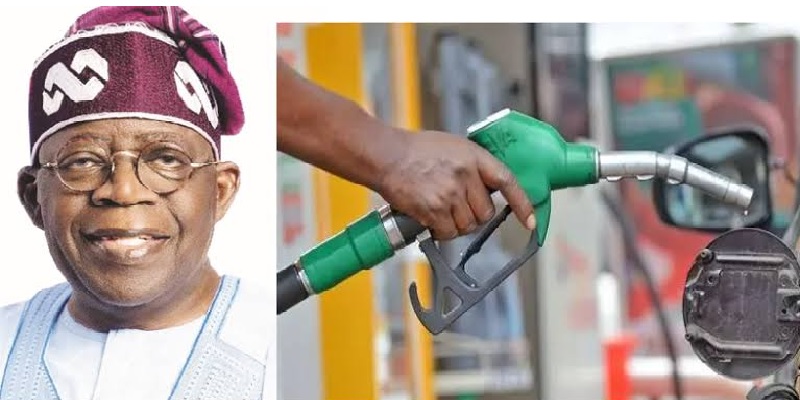

TD Nigeria’s Federal Government has warned that restoring petrol subsidies could weaken the naira significantly, trigger capital flight, and undermine the economic reforms introduced by President Bola Tinubu’s administration.
The Minister of Finance and Coordinating Minister of the Economy, Taiwo Oyedele, issued the warning during a press briefing following the International Monetary Fund and World Bank Group Annual Meetings in Bangkok, Thailand.
According to reports published on October 19 and 20, Oyedele said a return to fuel subsidies could push the naira towards ₦3,000, ₦3,500, or even ₦4,000 against the United States dollar under the scenarios he described.
The warning comes amid continuing public concerns about petrol prices, food costs, transportation expenses, and the wider cost of living.
Although the government maintains that its economic reforms are necessary to strengthen public finances and attract investment, many Nigerians continue to face financial pressure as they adjust to higher living expenses.
FG Rules Out Return to Fuel Subsidy
Oyedele reaffirmed the government’s position that it would not reverse the removal of petrol subsidies.

The minister also ruled out a return to Nigeria’s previous system of multiple foreign exchange rates, insisting that the administration intends to maintain its economic reform programme.
He explained that investors have repeatedly questioned whether Nigeria would abandon its reforms ahead of the 2027 general elections.
According to the minister, even an indication that the government was considering reinstating petrol subsidies could unsettle financial markets and weaken investor confidence.
The government believes that maintaining a consistent economic policy is essential to encouraging investment and supporting long-term growth.
However, the decision to maintain the reforms continues to attract debate because of the immediate financial burden experienced by households and businesses.
For many Nigerians, the central question remains whether the long-term benefits of the reforms will eventually translate into lower living costs, improved incomes, and better economic opportunities.

Why the Government Says Fuel Subsidy Restoration Could Weaken the Naira
Fuel subsidies involve the government paying part of the cost of petrol so that consumers can purchase it below its full economic cost.
Although the policy can provide immediate relief to consumers, it can also place significant pressure on government finances when the cost of maintaining it becomes substantial.
The Federal Government argues that restoring the former subsidy arrangement could increase public expenditure and reduce the funds available for other priorities.
These include infrastructure, healthcare, education, security, and other essential public services.
Oyedele also warned that a reversal could undermine confidence among foreign investors.
If investors believe that Nigeria is moving away from its economic reforms, some could withdraw funds or reduce their exposure to the country’s financial markets.

Such movements could increase demand for foreign currency and place additional pressure on the naira.
However, the minister’s projected exchange-rate figures are warning scenarios rather than confirmed forecasts. They should not be interpreted as proof that the naira will reach those levels.
Actual exchange-rate movements depend on several factors, including foreign exchange supply, oil revenues, investor confidence, monetary policy, and demand for imported goods.
NNPC Petrol Discount Not a Return to Fuel Subsidy
The debate over petrol prices intensified following a temporary retail price discount introduced by the Nigerian National Petroleum Company Limited.
The government has clarified that the initiative was a time-limited commercial decision intended to provide some relief to consumers rather than a restoration of government-funded petrol subsidies.
The distinction is important because a commercial price reduction does not necessarily mean that the government is paying the difference between the market price and the price charged to motorists.
The Centre for the Promotion of Private Enterprise has also described the temporary relief initiative as a response to exceptional pressures in the global energy market rather than a reversal of subsidy removal.
Nigeria continues to face the challenge of balancing market-based petrol pricing with public concerns about affordability.
When international energy prices rise, the effects can be felt across transportation, food distribution, manufacturing, and other sectors that depend on fuel.
Consequently, even temporary reductions in petrol prices can attract significant public attention.
Nigerians Continue to Face Cost-of-Living Pressures
Despite the government’s defence of its reforms, the cost of living remains a major concern for households across Nigeria.
Higher transportation expenses can affect the prices of food and other essential commodities because traders and distributors must pay more to move goods from farms, factories, and markets to consumers.
Small businesses also face rising operating costs, particularly those that depend on generators and petrol-powered equipment.
For families with limited incomes, these expenses can reduce the money available for school fees, healthcare, rent, and other household needs.
The economic pressure has also influenced public discussions about the government’s policies and the measures required to improve living standards.
Some Nigerians want the government to reconsider aspects of its fuel pricing policy, while others argue that restoring the former subsidy system could create additional financial problems in the future.
The debate reflects a broader challenge facing the administration: how to maintain fiscal stability while ensuring that economic reforms deliver tangible benefits to ordinary citizens.
Nigeria’s Inflation and Economic Growth Outlook
Recent economic indicators present a mixed picture of Nigeria’s economic outlook.
According to Reuters, Nigeria’s annual inflation rate declined to 14.63 per cent in September 2026 from 15.39 per cent in August.
However, food inflation remained elevated at 19.59 per cent, indicating that food prices continue to put pressure on household budgets.
Nigeria’s economy also recorded year-on-year growth of 4.4 per cent in the second quarter of 2026, according to the same report.
While the growth figure indicates economic expansion, it remains below the 7 per cent growth rate the Tinubu administration hopes to achieve by 2027.
These figures illustrate the difference between improvements in overall economic indicators and the financial experiences of individual households.
Inflation can decline without prices returning to their previous levels. This means that even when prices increase more slowly, consumers may still struggle with the cost of food, transport, rent, and other necessities.
For economic recovery to become more meaningful to citizens, stronger growth must also support employment, purchasing power, productivity, and access to essential services.
What the Subsidy Debate Means for the 2027 Elections
Economic policy is likely to remain a major subject of political discussion as Nigeria approaches the 2027 general elections.
Fuel prices, exchange-rate stability, inflation, and employment are issues that directly affect voters.
The Tinubu administration is defending its reforms on the grounds that they can improve public finances, attract investment, and establish a more sustainable economic foundation.
Critics, however, continue to question how quickly the benefits will reach ordinary Nigerians.
The disagreement places pressure on the government to demonstrate measurable improvements in living standards while maintaining its commitment to economic stability.
The outcome of this debate could influence public confidence in the administration and shape discussions about Nigeria’s economic direction.
Conclusion
The Federal Government’s warning about a possible return to petrol subsidies highlights the difficult choices facing Nigeria’s economy.
Finance Minister Taiwo Oyedele argues that reversing the policy could weaken investor confidence, trigger capital flight, and place additional pressure on the naira.
The government has therefore maintained that it will not restore the former subsidy arrangement or return to multiple exchange rates.
Nevertheless, the cost-of-living challenge remains significant, with food prices, transportation expenses, and household budgets continuing to attract public attention.
As Nigeria approaches the 2027 elections, the key test for the Tinubu administration will be whether its economic reforms can deliver sustainable growth while improving the everyday lives of Nigerians.
ThisDawn News will continue to monitor developments in Nigeria’s economy, fuel pricing, and foreign exchange market.