
 The nomination interviews opened in Abuja on November 2, 2026.
The Federal Ministry of Education stated that academic excellence, quality research and contributions to national development would guide the selection of candidates.
This was disclosed in a press release issued by the Ministry’s Director of Press and Public Relations, Boriowo Folasade.

According to Folasade, the government said the Commonwealth Scholarship exercise was designed to identify outstanding Nigerian scholars whose acquired knowledge and expertise could help address national challenges.
Speaking at the opening ceremony, Dr Folake Olatunji-David, Director overseeing the Office of the Permanent Secretary.
Olatunji-David described the scholarship programme as a strategic investment in human capital development.

She identified three fundamental selection criteria:
- strong academic records,
- the quality of applicants’ proposed study plans, and,
- the potential developmental impact of their chosen programmes.
According to her, candidates must demonstrate not only academic ability but also how their proposed studies could translate into practical solutions and contribute to Nigeria’s development.
Government links Commonwealth Scholarship selection to education reforms
Olatunji-David urged members of the interview panel to maintain fairness, objectivity and professionalism throughout the selection exercise.
The panel comprises professors, accomplished scholars and retired directors in the education sector.
She also called for the selection process to reflect Nigeria’s development priorities, particularly the Nigeria Education Sector Renewal Initiative (NESRI).
The initiative is being driven by the Federal Ministry of Education under the leadership of Education Minister Dr Maruf Olatunji Alausa and Minister of State for Education Professor Suwaiba Sa’id Ahmad.

The government said the scholarship programme should help develop highly skilled professionals capable of advancing education reforms.
These should strengthen institutions, promote innovation and accelerate national development.
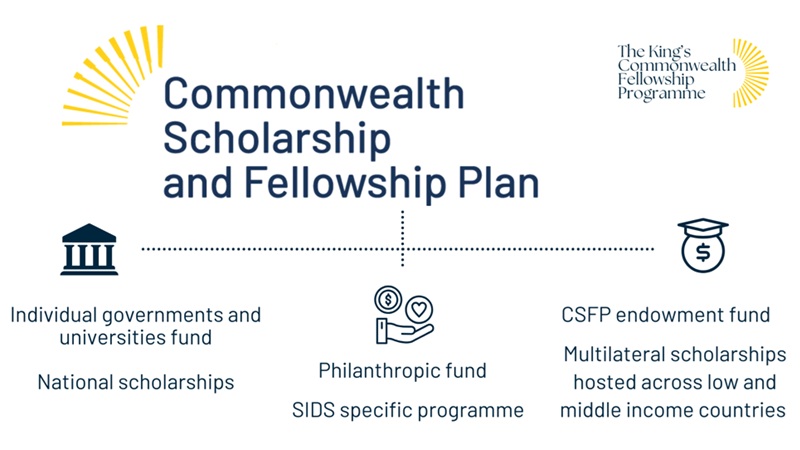
Olatunji-David noted that the Commonwealth Scholarship and Fellowship Plan was established in 1959.
Since then, it had produced more than 30,000 beneficiaries globally, including Nigerians who had made significant contributions to national development, particularly in tertiary education.
She acknowledged that the number of available awards was limited and encouraged applicants to approach the interviews with confidence, discipline and focus.
Over 2,000 Commonwealth Scholarship applications received
The Director of the Department of Scholarship Awards, Mrs Khadijat Liman, disclosed that the Ministry received more than 2,000 applications through its Electronic Application System.

She said the Commonwealth Scholarship Commission in the United Kingdom had invited Nigeria’s Department of Scholarship Awards to nominate qualified candidates.
Liman assured applicants that the Ministry was committed to presenting outstanding scholars capable of sustaining Nigeria’s reputation within the Commonwealth scholarship framework.
She urged interview panelists to adhere strictly to the Commission’s selection criteria, stressing that the quality of nominees was essential to maintaining Nigeria’s credibility and competitiveness.
She also commended State Scholarship Boards and the Department’s zonal officers for publicising the opportunities and expanding awareness across the country.
UK reaffirms educational partnership with Nigeria
In a goodwill message, Ms Sarah Amu, representing the British High Commission, reaffirmed the United Kingdom’s commitment to education, leadership development and capacity building through scholarship programmes.
She disclosed that 56 Nigerian Commonwealth Master’s and PhD scholars commenced their academic programmes in the United Kingdom in September 2026.
Amu described the development as evidence of the enduring educational partnership between Nigeria and the United Kingdom.
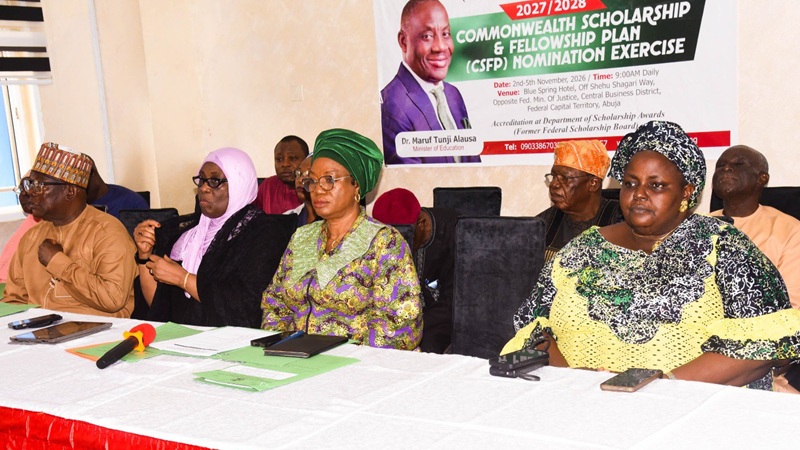
She also commended Nigeria’s decision to conduct nomination interviews across the six geopolitical zones.
She said that the arrangement promotes fairness, inclusiveness and equal opportunities.
The British High Commission representative encouraged applicants to remain confident and authentic.
She urged them to present their academic aspirations, leadership experiences and commitment, contributing to Nigeria’s development.
She further applauded the organisers and panelists for promoting a transparent and merit-based selection process.
Scholarship programme targets national development
The Commonwealth Scholarship and Fellowship Plan provides a platform for international academic exchange and advanced research.
It also provides a platform for leadership development and knowledge transfer among Commonwealth countries.
The Federal Ministry of Education stressed that the programme’s benefits should extend beyond obtaining international qualifications.
According to the Ministry, beneficiaries are expected to apply their acquired knowledge and expertise to solve societal problems, strengthen institutions, advance research and drive innovation.
The government said the competitive selection process was intended to nurture skilled professionals, researchers and future leaders.
Their contributions would support NESRI and help build a competitive, knowledge-driven and prosperous Nigeria.