
 The violence of recent days demands an immediate response, but it is also a symptom of a deeper crisis. Public confidence in the institutions that should help us resolve differences peacefully is eroding.
Ethnic suspicion is increasingly being put to political use. What is at stake is the survival of our democracy and our ability to live together as one country.
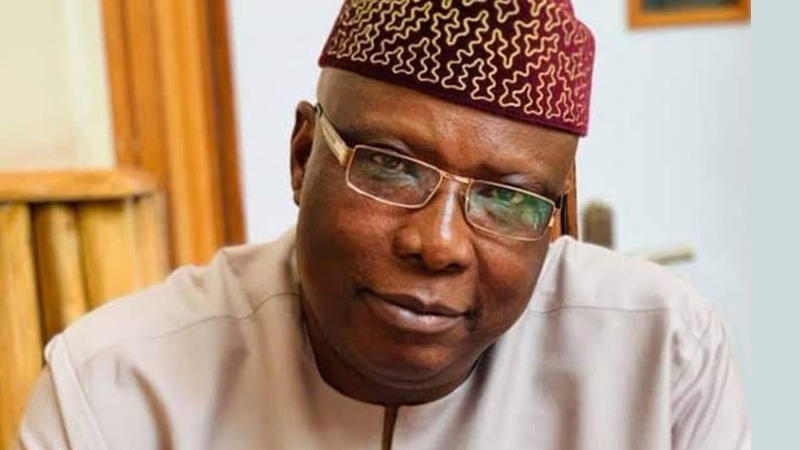
The Federal High Court in Abuja has set aside the David Mark-led leadership of the African Democratic Congress (ADC) and voided former Vice President Atiku Abubakar’s presidential nomination.
The ADC has announced its intention to appeal. That appeal deserves a fair, independent and timely hearing.
The ruling also raises a question that concerns every Nigerian, whatever their party preference: can we trust that the rules of political competition will be applied fairly, even when the outcome is inconvenient to those in power?
The incidents reported across the country add to these concerns. In Ado-Ekiti, Omoyele Sowore reported that he and his team were attacked.

In Calabar, assailants smashed the windscreens of vehicles in Peter Obi’s convoy.
In Kebbi, the ADC campaign said its convoy was attacked and cameras and other equipment belonging to its media crew were destroyed, cutting short live coverage.
When those covering a campaign are attacked, the public’s ability to see events and judge for itself is also at risk.
The ruling party has faced intimidation as well.
In Lafia, Nasarawa State, an All Progressives Congress (APC) campaign visit was disrupted, and Vice President Kashim Shettima’s convoy was reportedly obstructed during his visit to the Emir of Lafia.
In Yankara, Katsina State, police confirmed that vehicles were set ablaze and political posters burnt.

These incidents deserve investigation wherever they occur and whoever is affected. Every citizen has the right to call for a president to be voted out.
Every party has an equal right to campaign peacefully. A democracy depends on our willingness to defend both rights at once.
We have seen how quickly a crisis of confidence can become a crisis of the republic. The disputed Western Region election of 1965 was followed by arson and killings.
By January 1966, the First Republic had fallen. The ensuing civil war lasted three years and claimed more than a million lives.
The disputed elections of 1983 brought bloodshed again, and by December the Second Republic was gone.
Each crisis had its own causes, but both showed how vulnerable civilian government becomes when citizens lose faith in the means of correcting its abuses.

June 12, 1993, offers another lesson. Nigerians across regional and ethnic lines gave M.K.O. Abiola broad support.
The annulment squandered a moment in which citizens had shown at the ballot box how much they could agree on across those divides.
A credible election can strengthen the bonds of nationhood.
When citizens believe their votes can be discarded, the damage reaches far beyond the candidate whose mandate is at stake.
There must still be a country for whoever wins in 2027 to govern.
Every candidate seeking the presidency should tell Nigerians what they intend to do to restore confidence in our institutions and hold our country together.
They can begin now by rejecting ethnic incitement, defending their opponents’ right to campaign and committing themselves to respect a credible result.
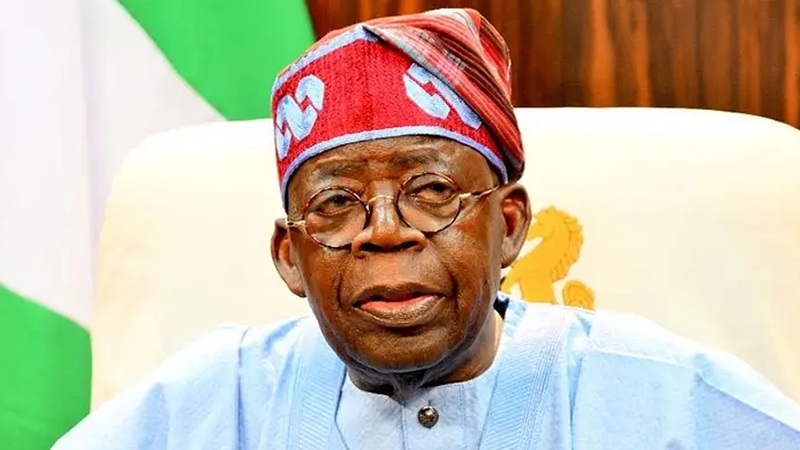
President Bola Ahmed Tinubu bears a special responsibility to ensure that the institutions of state serve all Nigerians impartially throughout this election.