TDA heated debate has emerged on social media following comments by Bayo Onanuga, a senior presidential aide, who argued that responsibility for Nigeria’s multidimensional poverty crisis lies with state governments and local councils, not the Federal Government.

His remarks, referencing a 2022 presentation by former Minister of National Planning Prince Clement Agba, reignited discussions about accountability in tackling poverty and governance failures.
Onanuga’s Position
Onanuga, in a widely circulated post, asked:
“Who should be blamed for the 133 million Nigerians, multidimensionally poor?
“The Federal Government? No. The states? Yes. The 774 local councils? Yes.
“They are constitutionally empowered to provide all the facilities that will take our people out of that crushing poverty bracket.
“Not the Federal Government.”
He cited Agba’s earlier report, which highlighted the role of subnational governments in providing basic infrastructure and social services that directly impact poverty reduction.
Onanuga’s argument suggests that the Federal Government sets national policy.
However, the actual delivery of services that affect daily life—such as healthcare, education, and local development—rests with governors and council chairmen.
Public Backlash
The statement drew sharp criticism from citizens, with many accusing Onanuga of deflecting responsibility from the Federal Government and President Bola Ahmed Tinubu’s administration.
One notable response came from Felix (@felixherbt), who dismissed Onanuga’s remarks as propaganda.
Felix argued that Tinubu, who has been president for nearly three years, has presided over worsening hardship, division, and poverty.
He accused the government of consistently blaming governors and councils while failing to deliver tangible improvements.
“For three years, your government has kept saying it’s the governors’ fault, the local councils’ fault, everyone except yourselves.
“How long will Nigerians keep hearing this same blame game?” Felix wrote.
Criticism of Tinubu’s Leadership
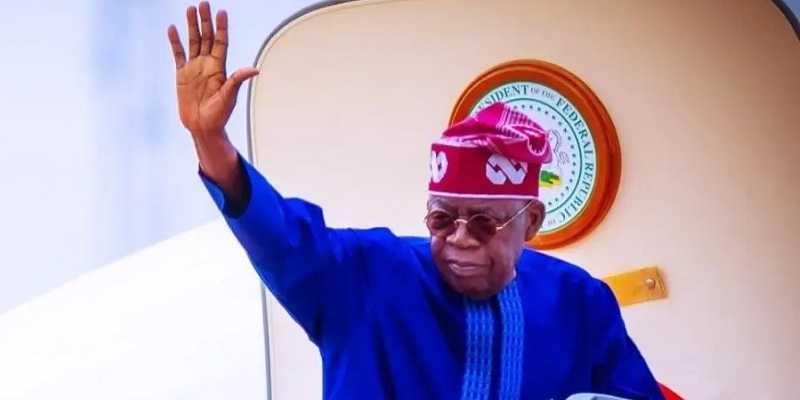
Felix further criticized Tinubu’s frequent foreign travels, claiming the president has been abroad more than 40 times since assuming office and even took a 10-day working vacation in Europe.
Meanwhile, Nigerians struggled with economic hardship.
“Is that what good leadership looks like to you? Travel the world, post propaganda daily, and keep blaming others?” he asked.
He concluded by branding Tinubu a failure and called on Nigerians to unite and vote out the ruling All Progressives Congress (APC) before, in his words, “they ruin this nation completely.”
Broader Context
Nigeria’s multidimensional poverty index, first released in 2022, revealed that over 133 million Nigerians live in poverty, facing deprivations across health, education, living standards, and employment.
Granted, the Federal Government has launched national programs to address poverty.
Critics, however, argue that economic policies—including subsidy removal, currency devaluation, and rising inflation—have worsened living conditions under Tinubu’s administration.
Onanuga’s remarks reflect a recurring theme in Nigerian politics: the tension between federal and state responsibilities.
While governors are constitutionally empowered to drive local development, many citizens believe the Federal Government bears ultimate responsibility for national economic direction and welfare.
Political Implications
The exchange highlights growing frustration among Nigerians over governance and accountability.
With the 2027 general elections approaching, debates over poverty, economic hardship, and leadership performance are expected to dominate political discourse.
Analysts note that the ruling APC faces increasing criticism from opposition parties and civil society groups, who argue that the government has failed to deliver on promises of economic recovery and youth empowerment.
The clash between Onanuga’s defense of the Federal Government and citizens’ anger at Tinubu’s leadership underscores Nigeria’s deepening political and economic tensions.
As poverty continues to affect millions, the blame game between federal, state, and local authorities risks overshadowing urgent solutions.
For many Nigerians, the pressing question remains: who will take responsibility for lifting the country out of poverty and ensuring that governance delivers real change?