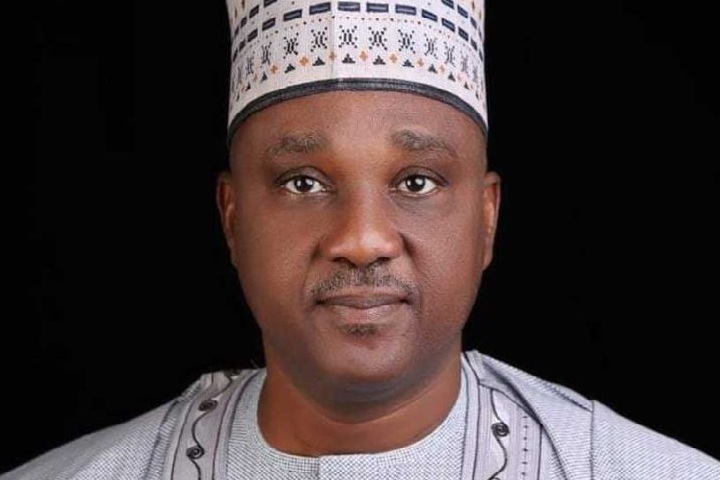
TDThe Speaker of Nigeria’s House of Representatives, Rt. Hon. Abbas Tajudeen, experienced a brief disruption on Saturday during a rally in Zaria, Kaduna State, where he formally declared his intention to seek a fifth term in office.
The event, held at the Mallawa Eid Ground, was momentarily interrupted when an unidentified man suddenly grabbed the Speaker’s free-flowing gown (agbada) while he was addressing supporters from the podium.
A video clip of the incident was circulated widely online before being deleted from Facebook.
The video showed Abbas momentarily losing balance before regaining composure and continuing his speech.
Abbas Declares Fifth Term Bid
Despite the disruption, Abbas went ahead to officially declare his bid for another term representing Zaria Federal Constituency in the House of Representatives.
He said his decision was based on his record of achievements and developmental projects attracted to the constituency.

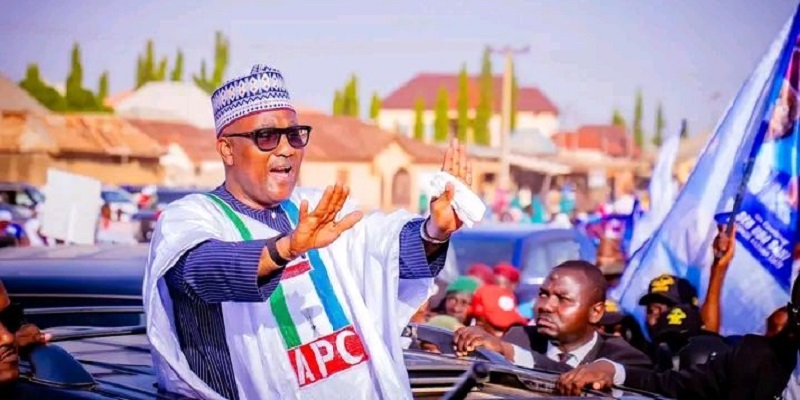
“I am one of the country’s most active lawmakers. Since 2011, I have sponsored 74 bills, with 21 already signed into law,” Abbas told the crowd.
The Speaker highlighted his contributions to infrastructure, education, and community development, insisting that his track record justified his bid for re-election.
Abbas’ Media Team Provides Different narrative
Sources close to Speaker Abbas, however, dismissed claims that the incident was an attack.
They explained that the man involved was reportedly ill and had swollen hands, and was attempting to attract the Speaker’s attention for medical assistance.
The source further alleged that some individuals edited the video to create a misleading impression of the incident.
Context and Implications
Abbas Tajudeen, who has represented Zaria since 2011, is seeking a fifth consecutive term in the House of Representatives.

His announcement comes amid growing debates about political longevity and the need for generational change in Nigeria’s legislature.
The brief disruption at the rally underscores the tense atmosphere surrounding political campaigns in Kaduna State, where issues of representation, security, and governance remain highly sensitive.
While Abbas’s supporters hailed his resilience and achievements, critics argue that the incident reflects deeper frustrations among constituents about political continuity.