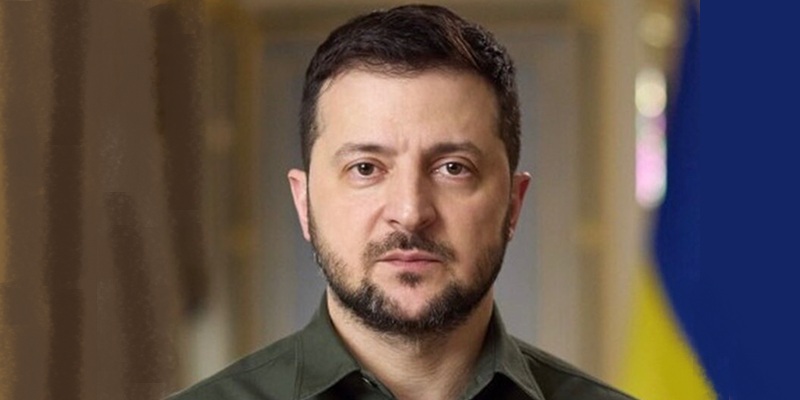
TDUkrainian President Volodymyr Zelenskyy has announced the deployment of 201 Ukrainian military experts to the Middle East and Gulf region, with an additional 34 specialists on standby.

These teams are being sent to assist partner nations in defending against Iranian-made Shahed drones, which have become a central weapon in recent attacks across the region.
Where They Are Deployed
Zelenskyy confirmed that Ukrainian teams are already operating in:
- United Arab Emirates
- Qatar
- Saudi Arabia
- With more en route to Kuwait
He also revealed that agreements have been finalized with several other countries, signaling Ukraine’s expanding footprint in international defense cooperation.
Strategic Context
The deployment was made at the request of partners, including the United States, and forms part of Ukraine’s proposed “Drone Deal” with Washington.
This initiative envisions not only practical cooperation on drone defense but also the foundation for future defense alliances.
Zelenskyy stressed that Ukraine’s “war-proven strength and capability” should be integrated into global security frameworks.
He cautioned that excluding Ukraine’s expertise in drone warfare would be a strategic misstep, given its frontline experience in countering Iranian and Russian drone attacks during the ongoing war.
Partnership with the UK
In his address to the UK Parliament, Zelenskyy underscored the importance of reliable defense partnerships.
He expressed gratitude to Prime Minister Keir Starmer, noting that both nations had signed a new declaration to deepen cooperation.
He praised the UK for recognizing Ukraine’s unique military expertise and for consistently supporting Kyiv’s efforts to strengthen democratic security worldwide.
Why It Matters
This deployment represents a significant expansion of Ukraine’s defense diplomacy. By sending military experts to the Middle East, Kyiv is:
- Leveraging battlefield experience to help allies counter drone threats.
- Positioning itself as a global security partner, not just a regional actor.
- Strengthening ties with Gulf nations, which are increasingly concerned about Iranian drone activity.
- Reinforcing Western alliances, particularly with the United States and the United Kingdom.
Broader Implications
Ukraine’s move highlights a shift in its foreign policy: from being primarily a recipient of international military aid to becoming an exporter of defense expertise.
This strategy not only enhances its global standing but also builds long-term partnerships that could prove vital in securing support for Ukraine’s own defense needs.
Moreover, the deployment underscores the growing recognition of drone warfare as a defining feature of modern conflict.
By offering its knowledge and specialists, Ukraine is positioning itself at the forefront of international efforts to counter this evolving threat.
This initiative marks a bold step in Ukraine’s global outreach, strengthening its role as a security provider in regions far beyond Europe.
It is simultaneously reinforcing its alliances with Western powers and Middle Eastern partners.
It is a clear signal that Kyiv intends to transform its wartime resilience into a cornerstone of international defense cooperation.