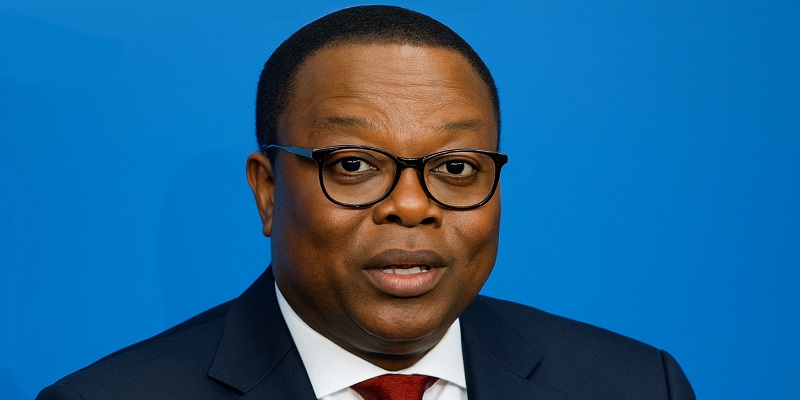
THIS DAWN — President Bola Ahmed Tinubu’s recent appointment of Ayodele Oke as Nigeria’s ambassador-designate to France has sparked renewed debate about governance, accountability, and the country’s anti-corruption agenda.
The appointment came years after Oke was declared wanted by the Economic and Financial Crimes Commission (EFCC).
It raises questions about Nigeria’s commitment to transparency and the credibility of its foreign policy representation.
Questions for an Average Thinking Nigerian
-
Is Tinubu aware that $43 million, £28,000, and ₦23 million in cash were discovered in an Ikoyi apartment?
-
Does it mean anything to an average thinking Nigerian that the money was found in Ikoyi, same locality that Tinubu has his famed residence on Bourdillon Road?
-
Does it mean anything to an average thinking Nigerian that Tinubu will choose a supposed fugitive of the law to represent Nigeria in France?
-
Why the choice of France? Where President Tinubu regularly visited for holidays and medicals, 2023, 2024, 2025?
(The latest reference was on September 4, 2025. Tinubu left Abuja for a “working vacation” in Europe, with part of the leave spent in France before returning to Nigeria, as announced by his spokesman.)
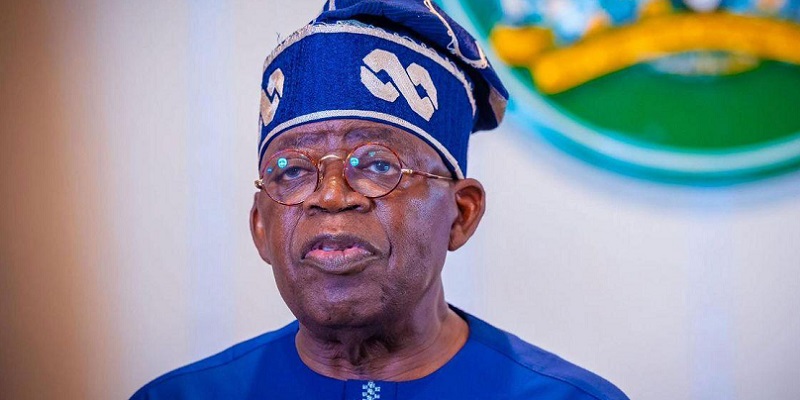
President Bola Ahmed Tinubu -
Do the names “Ikoyi” and “France”, where Tinubu has high interest, and where Oke’s cash and ambassadorial appointment derive their locus, mean anything to an average thinking Nigerian?
-
Why does Ayo Oke’s name always answer the door wherever Tinubu’s interest ring the bell?
-
Finally, what is the outcome of the Ikoyi cash scandal?

Background: The 2017 Ikoyi Cash Scandal Involving Oke
Oke, a former Director General of the National Intelligence Agency (NIA), has a controversial history that dates back to 2017.
He was suspended following the discovery of vast sums of cash in Lagos apartment linked to him and his wife.
In April 2017, EFCC operatives raided a luxury apartment in Ikoyi, Lagos, where they discovered $43 million, £28,000, and ₦23 million in cash.
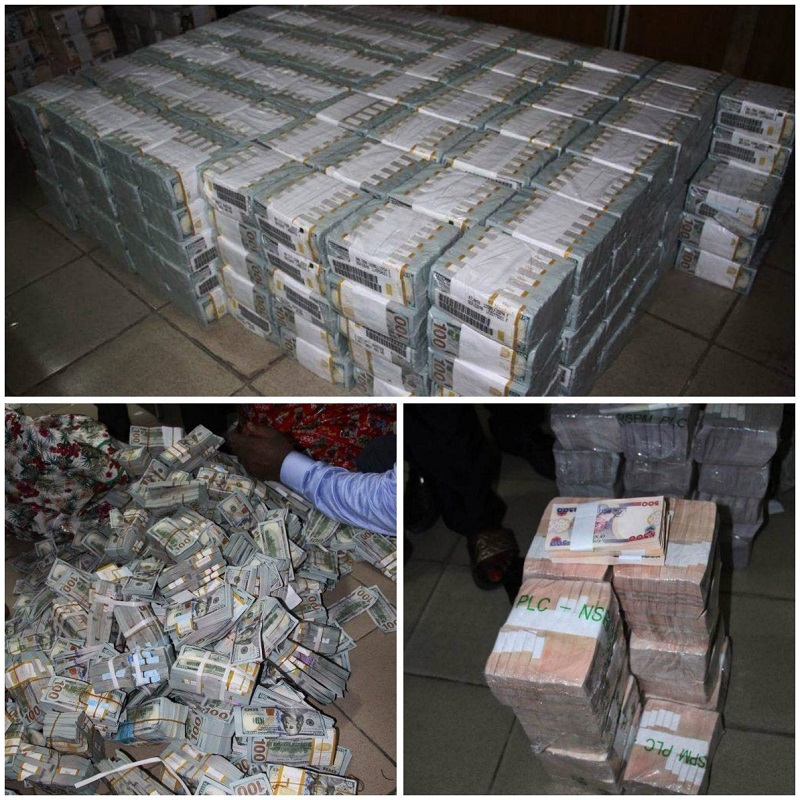
The funds were allegedly linked to Oke and his wife, Folasade.
The incident quickly became known as the Ikoyi cash scandal, one of the most high-profile corruption cases in Nigeria’s recent history.
Following the raid, then-President Muhammadu Buhari suspended Oke as NIA Director General.
Vice President Yemi Osinbajo chaired a committee that investigated the matter and recommended Oke’s removal.
EFCC Charges and Arrest Warrant on Oke
In 2019, the EFCC filed charges against Oke and his wife, accusing them of theft and laundering of public funds.
The charges included allegations of diverting $160 million from the federal government for personal use.
On February 7, 2019, the Federal High Court issued warrant for their arrest after they failed to appear in court.
Reports indicated that the couple had left Nigeria for “medical treatment,” and their whereabouts remained unknown.
The EFCC subsequently declared them wanted persons.
Oke’s Career and Political Connections
Ayodele Oke is a seasoned member of Nigeria’s political and diplomatic class.
He studied at Emory University in Atlanta and served as Nigeria’s ambassador to the Secretariat of the Commonwealth of Nations in London.
He was appointed NIA Director General in 2013 by President Goodluck Jonathan.
The NIA, roughly analogous to the Federal Bureau of Investigation (FBI) in the United States, plays a critical role in intelligence gathering and national security.
Oke’s tenure, however, ended in disgrace following the Ikoyi scandal.
Despite the controversy, Oke has long been considered well-connected within Nigeria’s political elite.
Some media outlets speculated that he was “close to Buhari,” though evidence of such ties remains limited.
Critics argued that the handling of his case was a litmus test for Buhari’s anti-corruption credentials.
Tinubu’s Appointment: A Strategic Gamble
President Tinubu’s decision to appoint Oke as ambassador to France is seen by many as a strategic gamble.
France is a critical partner for Nigeria, particularly in areas of security cooperation, trade, and diplomacy within the European Union.
By selecting Oke, Tinubu may be signaling confidence in Oke’s diplomatic experience and international connections.
However, the appointment also risks reviving public skepticism about Nigeria’s seriousness in tackling corruption.
Observers note that Oke’s appointment could complicate Nigeria’s image abroad.
This is especially so, given France’s emphasis on governance and transparency in its dealings with African states.
Implications for Nigeria’s Anti-Corruption Agenda
The appointment raises broader questions about Nigeria’s anti-corruption agenda:
- Credibility: How can Nigeria credibly present itself as committed to fighting corruption while appointing a figure once declared wanted by the EFCC?
- Rule of Law: Does the appointment undermine the authority of Nigeria’s judicial and anti-corruption institutions?
- Foreign Policy: Will France and other international partners view the appointment as a setback for Nigeria’s credibility in global diplomacy?
Critics argue that the move reflects a pattern in Nigerian politics where allegations of corruption rarely prevent individuals from returning to positions of influence.
Conclusion the Tinubu ~ Oke Tango
Ayodele Oke’s appointment as ambassador-designate to France is emblematic of the contradictions in Nigeria’s governance landscape.
On one hand, the former NIA DG brings decades of diplomatic and intelligence experience.
On the other, his unresolved corruption case casts a long shadow over his credibility and Nigeria’s anti-corruption narrative.
For President Tinubu, the appointment may serve immediate political or strategic purposes, but it risks undermining Nigeria’s reputation both at home and abroad.
As Nigeria prepares for critical engagements with France, the choice of envoy will be closely scrutinized.
Not only for what it says about Nigeria’s foreign policy priorities, but also for what it reveals about the country’s commitment to accountability and the rule of law.