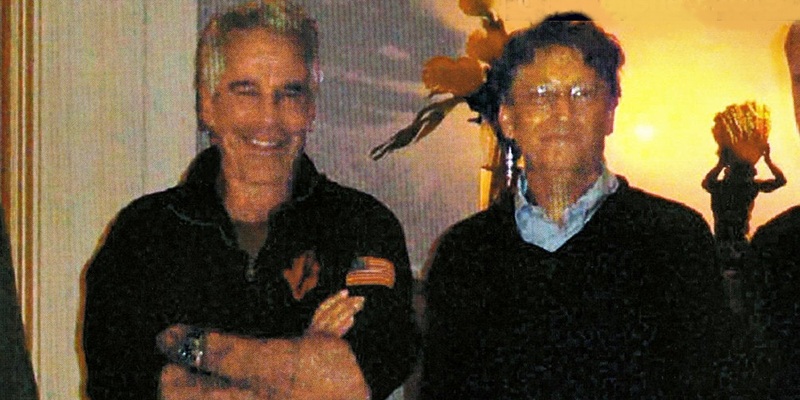
TDNewly released documents under the Epstein Files Transparency Act have shed light on private email exchanges between Jeffrey Epstein and Boris Nikolic, Bill Gates’s former science advisor — and the man later named as backup executor of Epstein’s will.

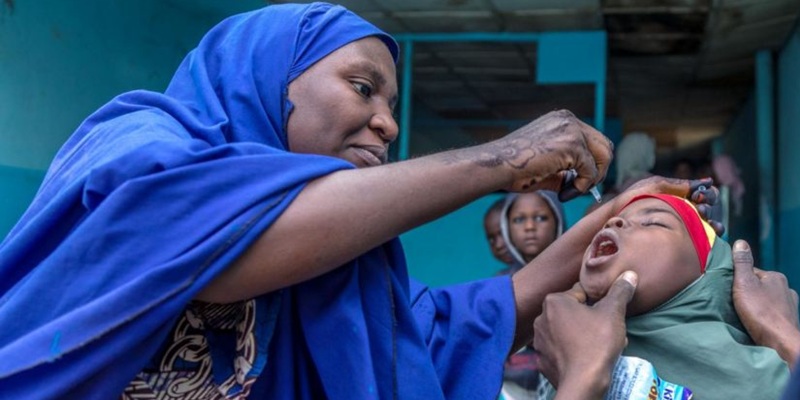
In March 2013, Epstein relayed intelligence about Nigerian communities resisting polio vaccination campaigns.
He described his source as “the most sophisticated, experienced and successful of the group, great experience in countries of your interest.”
The advice offered was chillingly colonial in tone:
“If he wants to get their consent, he needs to use candles and small mirrors, the same as the Americans did with their native Indians.”
Nikolic’s reply was equally dismissive of African agency:
“Great input — I guess we will need colorful beads and mirrors.”
Context of Distrust
Nigeria’s skepticism toward Western vaccination programs has deep historical roots.
In 1996, Pfizer conducted an experimental drug trial during a meningitis outbreak in Kano. Eleven children died, and many others suffered severe side effects.
The resulting Trovan scandal ignited outrage, lawsuits, and decades of vaccine hesitancy across northern Nigeria.
This distrust was not irrational — it was born of lived experience.
Yet the Epstein-Nikolic emails reveal a mindset that trivialized these grievances, treating African resistance as a hurdle to be manipulated rather than a legitimate concern to be addressed.
Epstein’s Intelligence Network
Epstein claimed his private intelligence sources often outperformed “the list of the various 26 three-letter agencies.”
In the same exchange, he predicted that Boko Haram would begin kidnapping polio workers for ransom — a forecast that later proved accurate.
Nikolic, who had direct influence over the Gates Foundation’s scientific agenda, wrote:
“I would rather seek your opinion than seek opinion of 1,000 of global health experts.”
This statement illustrates the extraordinary — and troubling — influence Epstein wielded over global health strategy, despite his criminal record and lack of formal expertise in public health.
Public vs. Private Narratives
Publicly: The Gates Foundation has long described its African health work as “community-centered” and “evidence-based.”
Privately: Emails show senior advisors comparing African consent to trading beads with Native Americans — a metaphor rooted in colonial exploitation and manipulation.
Implications
Legitimacy Crisis: Such attitudes risk undermining trust in global health initiatives, especially in communities already skeptical of Western intervention.
Ethical Concerns: Treating populations as obstacles rather than partners erodes credibility and perpetuates colonial-era dynamics.
Accountability Questions: The revelations raise urgent questions about who truly shaped vaccination strategies in Africa, and how private networks influenced decisions that affected millions.
Why This Matters
The emails expose a disconnect between the public image of philanthropy and the private conversations of those shaping global health policy.
For communities in Nigeria and across Africa, these revelations confirm long-standing suspicions.
Their voices were sidelined, their concerns dismissed, and their consent treated as something to be manufactured rather than respected.
Timeline: Vaccine Controversies and Distrust in Nigeria
1996 – The Trovan Scandal
- Pfizer drug trial in Kano during a meningitis outbreak.
- Eleven children died, others suffered severe side effects.
- Sparked lawsuits and outrage, fueling decades of vaccine hesitancy in northern Nigeria.
Early 2000s – Polio Campaign Resistance
- Widespread suspicion of Western-backed vaccination drives.
- Rumors spread that polio vaccines were contaminated or part of a sterilization plot.
- Several northern states temporarily suspended polio immunization programs.
2003–2004 – Boycott of Polio Vaccines
- Religious and political leaders in Kano and other northern states led boycotts.
- International health agencies struggled to rebuild trust.
- Nigeria became a global epicenter for polio resurgence.
2010s – Boko Haram Violence
- Militant group Boko Haram began targeting polio workers.
- Kidnappings and killings of health workers created fear and disrupted campaigns.
- Epstein’s 2013 email predicted this trend, citing intelligence sources.
2013 – Epstein-Nikolic Emails
- Newly released documents show Jeffrey Epstein and Boris Nikolic privately discussed Nigerian resistance.
- Emails trivialized African grievances, comparing consent to trading beads with Native Americans.
- Revealed reliance on Epstein’s intelligence network over established global health experts.
2014–2016 – Renewed Efforts and Progress
- Nigerian government, WHO, and local leaders intensified outreach.
- Community-based strategies helped rebuild trust.
- By 2016, Nigeria was declared polio-free, though vigilance remained necessary.
2020s – Lingering Distrust
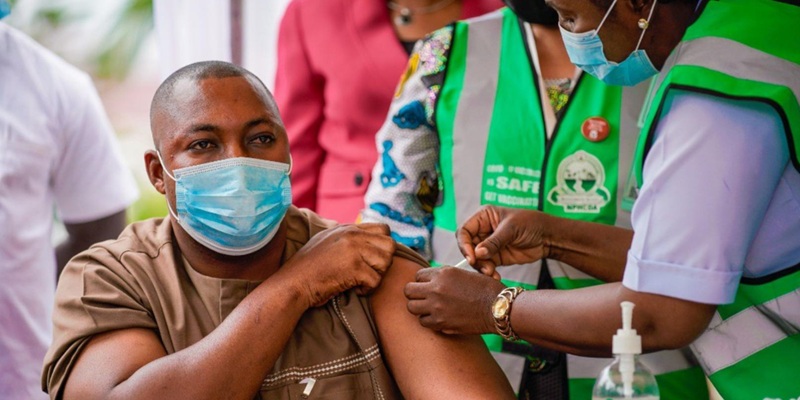
- COVID-19 vaccine rollout faced skepticism in northern Nigeria.
- Historical memory of Trovan and polio controversies continued to shape attitudes.
- Global health agencies emphasized community-centered approaches, though revelations from the Epstein files cast doubt on the sincerity of these efforts.
The above timeline shows how Nigeria’s vaccine hesitancy evolved from real grievances rooted in past abuses to violent resistance and distrust of global health campaigns.
The Epstein-Nikolic emails fit into this history as evidence of how powerful figures privately dismissed African concerns rather than addressing them.
Key Figures in Nigeria’s Vaccine Controversy and the Epstein Emails
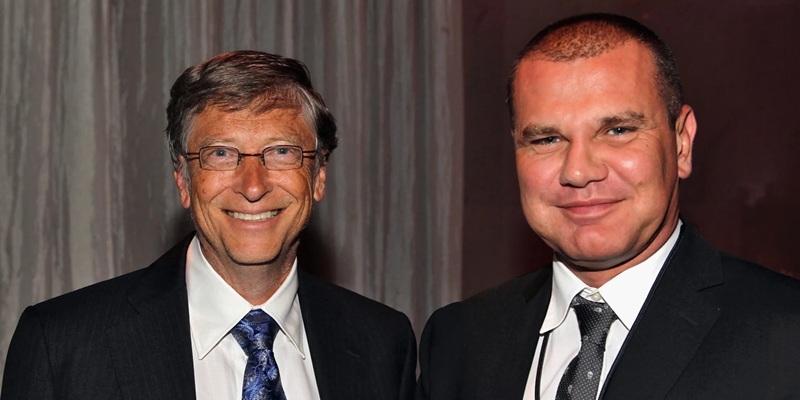
Jeffrey Epstein
- Role: Financier with a private intelligence network.
- Relevance: Shared intelligence on Nigerian vaccine resistance with Boris Nikolic in 2013.
- Controversy: Despite being a convicted sex offender, he influenced discussions on global health strategy.
Boris Nikolic
- Role: Bill Gates’s former science advisor; later named backup executor of Epstein’s will.
- Relevance: Responded to Epstein’s colonial metaphor with “colorful beads and mirrors,” trivializing African grievances.
- Influence: Had direct input into Gates Foundation’s scientific agenda, shaping vaccination campaigns.
Bill Gates & The Gates Foundation
- Role: Largest private health funder globally, heavily invested in vaccination programs in Africa.
- Public Narrative: Promotes “community-centered” and “evidence-based” approaches.
- Private Reality (per emails): Advisors dismissed African resistance as something to be manipulated rather than respected.
Nigerian Community Leaders
- Role: Religious and political figures in northern Nigeria who led polio vaccine boycotts in the early 2000s.
- Relevance: Their skepticism was rooted in real grievances, including the 1996 Pfizer Trovan scandal.
- Impact: Their resistance shaped decades of vaccine hesitancy and forced global health agencies to rethink outreach strategies.
Boko Haram
- Role: Militant group that targeted polio workers in the 2010s.
- Relevance: Epstein predicted kidnappings of polio workers, which later occurred.
- Impact: Violence further undermined vaccination campaigns and heightened fear in affected communities.
International Health Agencies (WHO, UNICEF, etc.)
- Role: Implemented vaccination campaigns across Nigeria.
- Challenge: Faced distrust due to past abuses and misinformation.
- Response: Shifted toward community engagement and local partnerships to rebuild credibility.