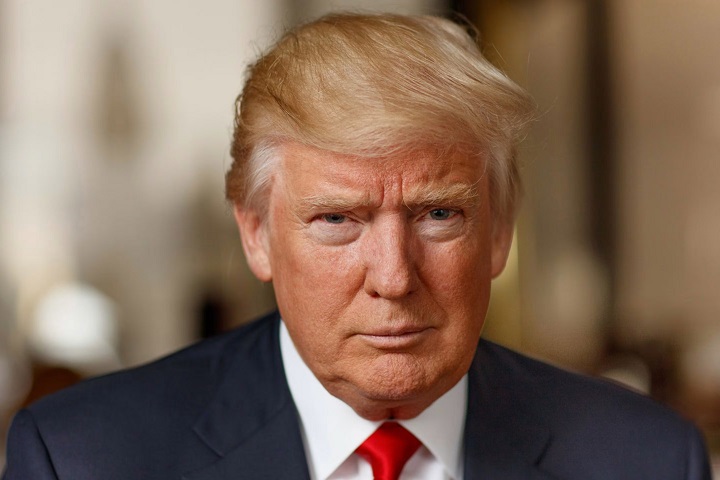
THIS DAWN — On January 22, 2026, the U.S. withdrawal from the World Health Organization (WHO) became official, ending decades of American membership in the UN’s global health agency.

The move followed a one‑year notice period initiated by President Donald Trump in early 2025, as required under U.S. law.
The U.S. also owed approximately $260 million in outstanding fees, which critics say violates statutory obligations for withdrawal.
Reasons for Withdrawal from WHO
- Criticism of WHO’s management: The Trump administration argued that the WHO mishandled the COVID‑19 pandemic and aligned too closely with China.
- Policy shift: Trump campaigned on reducing U.S. involvement in international organizations, framing the WHO as ineffective and politically compromised.
Consequences of Withdrawal from WHO
- Global health impact: The U.S. was the WHO’s largest single financial contributor. Its exit creates a funding vacuum that other nations, particularly China, may seek to fill.
- Domestic risks: Health experts warn the move undermines U.S. access to global disease surveillance, outbreak alerts, and coordinated responses to pandemics.
- Legal concerns: Critics argue the withdrawal violates U.S. law requiring payment of all outstanding dues before departure.
Political Reactions
- Supporters: Trump allies praised the decision as a stand against global institutions they view as unaccountable.
- Opponents: Democrats, public health experts, and international partners condemned the move, warning it weakens both U.S. and global health security.
Historical Context
This is not the first time the U.S. has distanced itself from the UN’s global health agency.
In 2020, Trump attempted to withdraw, but the Biden administration reversed the process in 2021.
The 2026 exit, however, marks the first successful and official withdrawal in U.S. history.
The United States’ official exit from the global health agency on January 22, 2026, represents a seismic shift in global health governance.
The Trump administration frames it as reclaiming sovereignty.
Meanwhile, experts caution that the decision leaves the U.S. more vulnerable to pandemics and undermines international cooperation.
The move also raises legal questions over unpaid dues and leaves a leadership vacuum in global health efforts that rivals like China may exploit.