
The Israeli Defense Forces (IDF) announced Thursday that it has concluded its extensive campaign of strikes against Iran’s military-industrial and nuclear-related infrastructure.
The move marked one of the most consequential escalations in the Middle East in decades.
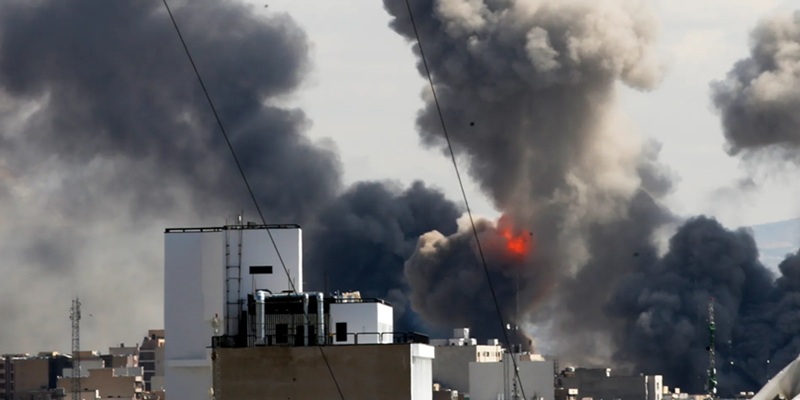
According to IDF officials, the operation spanned two days and involved the deployment of more than 650 precision munitions against over 400 targets.
These targets included missile production facilities, nuclear-related research centers, and strategic command hubs.
The IDF declared that nearly all sites designated as “vital and strategic” have been rendered inoperable.
The strikes effectively crippled Iran’s capacity to produce and deploy advanced weaponry.
Among the most significant outcomes was the confirmed death of General Makram Atimi, Iran’s ballistic missile chief, in the Kermanshah region.
Atimi, long considered the architect of Iran’s missile program, was killed alongside several battalion commanders.
Israeli officials described his elimination as a decisive blow.
They note that he was directly responsible for the missiles Iran has aimed at Israel, Gulf states, and U.S. bases for decades.
Israel Strikes Put Iran’s Leadership Under Pressure
Iran’s new Supreme Leader, Mojtaba Khamenei, who assumed power following the death of his father Ayatollah Ali Khamenei on February 28, has yet to appear publicly.
Instead, he issued a written statement questioning whether U.S. objectives in the region had been achieved.
Analysts observed that the statement contained neither threats nor denials, interpreting it as a sign of uncertainty and diminished confidence within Iran’s leadership.
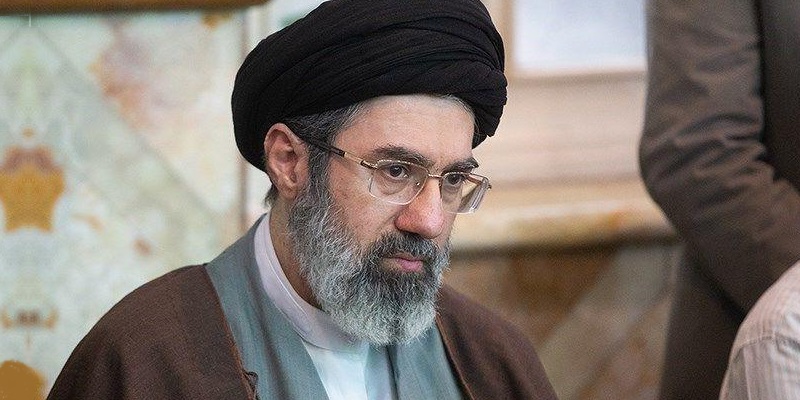
The absence of Mojtaba Khamenei from public view has fueled speculation about internal divisions within the regime.
His silence, coupled with the loss of key military figures, has raised questions about Iran’s ability to project strength in the face of sustained Israeli and U.S. pressure.
U.S. Fighter Jet Shot Down Over Iran
In a parallel development, a U.S. fighter jet was shot down over Iranian territory, according to a U.S. official speaking to Reuters on Friday.
A search and rescue mission is currently underway to locate the crew.
The Pentagon and U.S. Central Command have not yet issued formal statements.
The incident highlights the growing risks faced by American forces operating in the region.
Presently, fighting is spreading into Lebanon, and casualties are mounting across multiple fronts.
The downing of the aircraft underscores the volatility of the conflict and the potential for further escalation.
Background: Escalation Since February
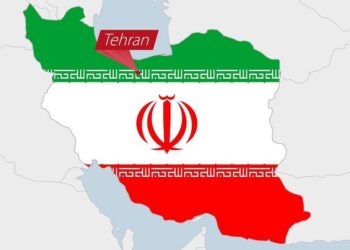
The current war erupted on February 28, when U.S. and Israeli forces launched coordinated strikes targeting Iran’s missile infrastructure, military sites, and leadership in Tehran and beyond.
The initial wave killed Ayatollah Ali Khamenei, Iran’s Supreme Leader since 1989.
Khamenei was killed with several senior figures in the Islamic Revolutionary Guard Corps (IRGC).
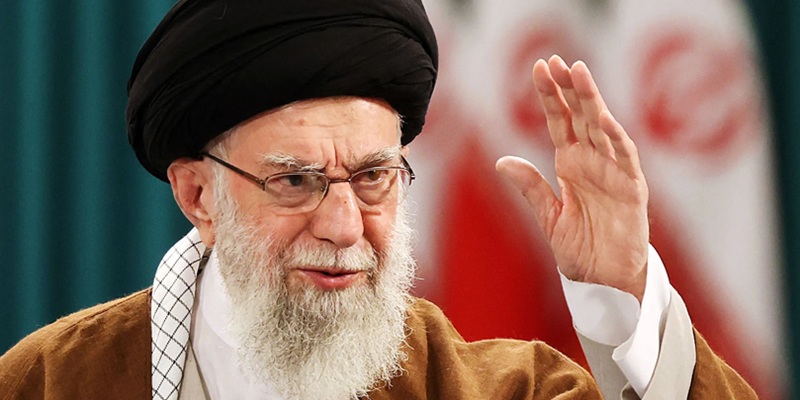
Other high-ranking officials eliminated in Israeli strikes include:
- Ali Larijani, security chief
- Esmail Khatib, intelligence minister
- Gholamreza Soleimani, head of the Basij paramilitary force
On March 8, Mojtaba Khamenei was named Supreme Leader.
However, his absence from public appearances has only deepened speculation about the regime’s stability.
Strategic Impact of Israel’s Strike Campaign
Military analysts argue that Israel’s completion of its strike campaign represents a turning point in the conflict.
With Iran’s military-industrial base severely damaged and its leadership decimated, Tehran’s ability to sustain prolonged warfare may be significantly weakened.
Yet, Iran has continued retaliatory attacks against Israel and U.S.-allied states in the Gulf.
Iran demonstrates that while its infrastructure has been battered, its capacity for asymmetric warfare remains intact.
The risk of further escalation across the region — particularly in Lebanon and the Gulf — remains high.
Observers warn that the destruction of Iran’s military-industrial base could usher in a new phase of instability.
They also warn that proxy forces and irregular tactics may replace conventional military operations in the region.
For Israel and the U.S., the challenge now lies not only in containing Iran’s weakened regime but also in managing the fallout across a region already on edge.