
TDNigeria is grappling with a renewed surge of violent attacks across multiple states, as communities in Plateau, Nasarawa, Zamfara, Borno, Benue, and Kaduna come under assault from armed groups, paticularly on Easter Sunday.

The incidents, occurring within days of each other, have left scores dead, hundreds abducted, and entire communities displaced.
The attacks raise fresh concerns over national security despite recent assurances from the Federal Government.
Fresh Attack in Plateau State
In Plateau State, another deadly attack was reported in Nyamgo Gyel, located in Jos South Local Government Area.
According to local sources, several innocent residents were killed during the assault, though the exact number of casualties remains unconfirmed at the time of filing this report.
The incident adds to a troubling pattern of violence in Plateau, a region that has witnessed recurring communal clashes and armed attacks.
Residents described the situation as shocking, with many calling for urgent intervention by security agencies.
Nasarawa Communities in Mourning
Just a week after President Bola Ahmed Tinubu reassured Nigerians of improved security measures, violence erupted in Nasarawa State.
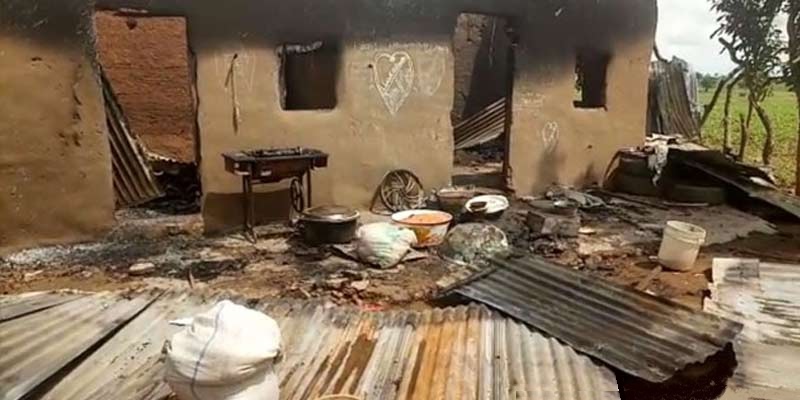
Gunmen attacked the Akyawa and Udege Kasa communities, killing at least 11 people.
Eyewitness accounts indicate that homes were set ablaze, forcing residents to flee into nearby bushes and neighboring towns.
Several families are still unaccounted for, with local leaders warning that the death toll could rise as search efforts continue.
The attacks have triggered a humanitarian concern, with displaced persons in urgent need of shelter, food, and medical care.
Mass Kidnapping in Zamfara
In northwestern Nigeria, Zamfara State recorded one of the largest abductions in recent times.
Reports indicate that approximately 150 individuals were kidnapped from the Kurfa Danya and Kurfan Magaji communities.
Zamfara has long been a hotspot for banditry and mass kidnappings, with criminal groups targeting rural communities for ransom.
Security analysts note that such large-scale abductions point to the operational strength and coordination of these armed groups.
Authorities have yet to confirm the exact number of victims or provide details on rescue operations.
Borno Attack Revives Chibok Fears
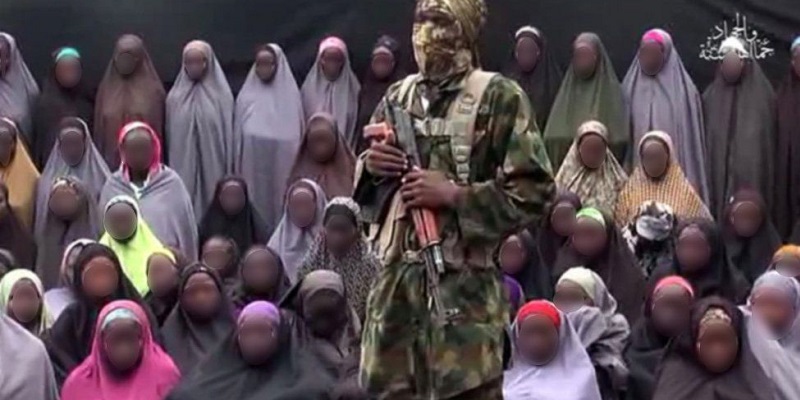
On the same day as the Zamfara kidnappings, insurgents launched an attack in Chibok, Borno State—a town globally recognized due to the Chibok schoolgirls kidnapping.
During the latest attack, four security officers were reportedly killed, and several homes were burned.
While the scale of the attack is smaller compared to past incidents, its symbolic impact is significant.
It revived fears among residents and reminding the nation of ongoing insurgency threats in the Northeast.
Easter Sunday Massacre in Benue
Benue State experienced fresh bloodshed on Easter Sunday, a day typically marked by peace and celebration among Christians.
Reports confirm that more than 17 people were killed in coordinated attacks on rural communities.
Entire villages were left in ruins, with houses destroyed and many residents still missing.
The violence has intensified concerns about farmer-herder conflicts and the proliferation of armed groups in the Middle Belt region.
Community leaders are calling for immediate government action to prevent further escalation.
Church Attacks in Kaduna
In Kaduna State, tragedy struck again as terrorists reportedly attacked worshippers inside churches in the Ariko community of Kachia Local Government Area.
Several people were killed, while others were abducted during the attack.
The targeting of religious centers has sparked outrage among citizens and religious organizations.
The aforementioned urged authorities to strengthen protection for vulnerable communities, particularly during religious gatherings.
Security Concerns and Government Response
The wave of attacks across different regions highlights persistent security challenges facing Nigeria.
Government officials, especially President Bola Ahmed Tinubu, have repeatedly assured citizens of improved safety measures.
However, the frequency and scale of these incidents suggest gaps in intelligence gathering, rapid response, and rural security coverage.
Security experts emphasize the need for a more coordinated national strategy, including enhanced surveillance, community policing, and stronger collaboration between federal and state authorities.
Future Outlook
As Nigeria mourns yet another wave of violence, the urgent need for decisive action becomes increasingly clear.
With lives lost, families displaced, and communities shattered, citizens are demanding not just assurances but tangible results in the fight against insecurity.
The coming days will be critical in determining how authorities respond to these attacks and whether meaningful steps will be taken to restore peace and rebuild trust across affected regions.