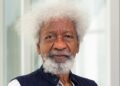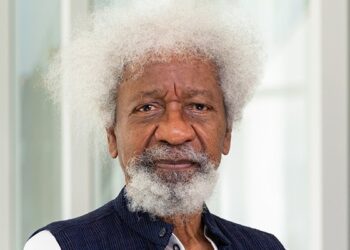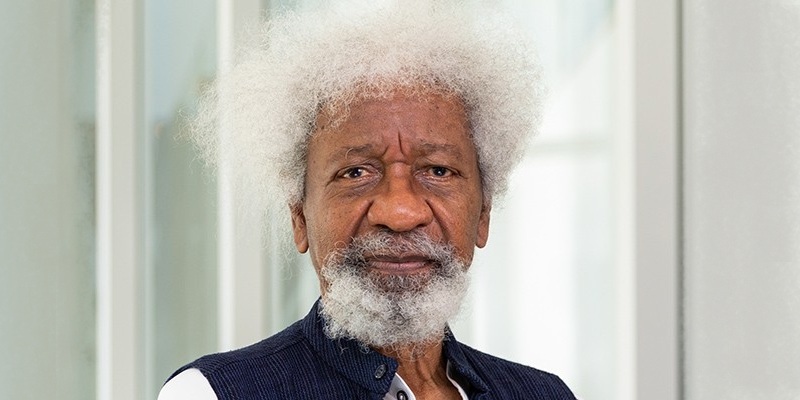
TDIn a striking and unexpected scene, Nobel laureate and globally respected playwright Prof. Wole Soyinka was spotted riding on an Okada (commercial motorcycle) in Nigeria.

The image has quickly become a talking point across the nation, not merely for its novelty but for the deeper message it conveys in the midst of Nigeria’s worsening fuel crisis.
Watch the video clip below:
For decades, Soyinka has been regarded as a voice of conscience, often using his actions and words to highlight the plight of ordinary Nigerians.
His decision to abandon the comfort of a private car and resort to an Okada is being interpreted as more than a matter of convenience.
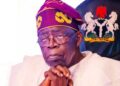
It is seen as a symbolic act of protest at a time when fuel prices have skyrocketed under President Bola Tinubu’s administration.
The recent hike has left countless citizens unable to afford petrol.
Soyinka’s ride reflects the stark reality that even the most privileged are not immune to the ripple effects of economic hardship.
A Warning Message from Wole Soyinka
Analysts suggest that Soyinka’s move may be a subtle but powerful warning to the government: Nigerians are running out of alternatives.
Transportation costs crippling households, businesses struggling to cope, and commuters forced into desperate measures.
The Okada ride stands as a metaphor for a nation cornered by scarcity.
It signals that the crisis is not just about fuel—it is about the erosion of dignity, mobility, and the basic ability to live and work.
The public response has been swift and emotional.
Many Nigerians see Soyinka’s action as a mirror of their daily struggles.
Social media has been flooded with commentary, with citizens noting that if a Nobel laureate must resort to an Okada, then the depth of the crisis is undeniable.
For some, it is a moment of solidarity; for others, it is a call to action.
Citizens are urging the government to address the spiraling costs and shortages before frustration boils over into unrest.
Broader Implications
Fuel scarcity has long been a recurring challenge in Nigeria, but the current wave of hardship has been described as unprecedented.
The inability to buy fuel is not just an inconvenience—it has paralyzed small businesses, disrupted education, and strained family budgets.
Soyinka’s ride, therefore, resonates as a symbol of resilience and resistance.
It amplifies the voices of millions who feel abandoned by policies that have failed to cushion the impact of global and local economic pressures.
This report frames Soyinka’s Okada ride as both a personal adaptation to hardship and a broader political message about urgency and survival.
It captures the moment as a cultural symbol, a warning, and a rallying cry for Nigerians facing one of the toughest economic periods in recent memory.