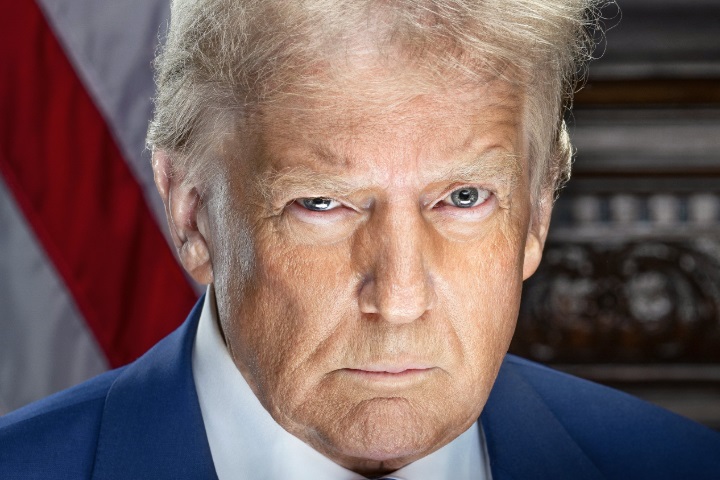
THIS DAWN — The United States has officially announced a ban on the issuance of visas to Nigerian nationals and citizens of several other countries, effective January 1, 2026.

The decision, communicated through the U.S. Mission in Nigeria, has triggered widespread reactions across political, diplomatic, and civil society circles.
It raised questions about the future of U.S.–Nigeria relations and the broader implications for African nations.
A Sudden Diplomatic Shock
The announcement marks the latest in a series of restrictive immigration measures targeting Nigerians.
Over the past few years, U.S. authorities have tightened immigration rules.
These include bans on Green Card applications, reductions in work permits, deportations, and requirements for applicants to submit five years of social media history.
Visa fees were also raised, spousal visa applications canceled, and partial restrictions introduced before culminating in the outright suspension of visa issuance.
The cumulative effect of these measures has been described by critics as a systematic exclusion of Nigerians and other nationals from the developing world.
Senator Shehu Sani’s Reaction
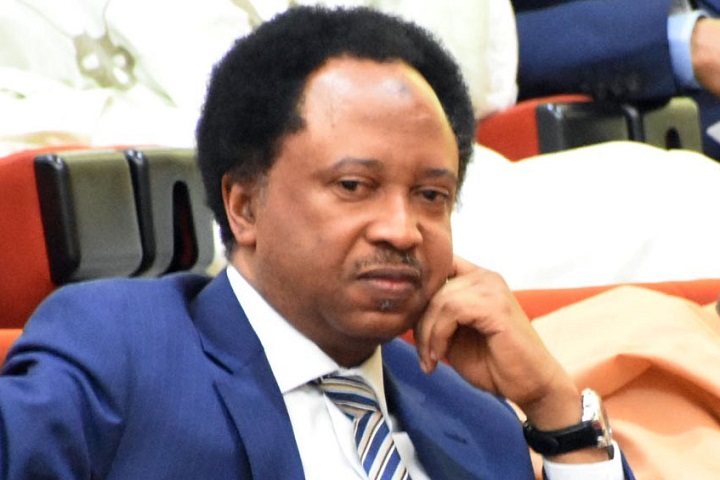
Senator Shehu Sani, a prominent Nigerian politician and human rights advocate, reacted strongly to the announcement.
In a post on his social media handle, he lamented the escalating restrictions, noting:
“After banning Nigerians from applying for Greencards, then slashing work permits for immigrants, then deportations, then requesting for 5 years social media history, then raising visa fees, then cancellations of spousal visas, then came partial restrictions.
“And now issuance of US visas for Nigerians stops on 1st January.
“Even though it’s not limited to Nigeria, the message is clear: Citizens of Third World countries are unwanted.”
His remarks have resonated widely, sparking debate about whether the U.S. is deliberately marginalizing African nations in its immigration and foreign policy agenda.
Diplomatic and Economic Implications of Visa Ban
Nigeria, Africa’s most populous country and one of the continent’s largest economies, has long maintained strong ties with the United States.
Bilateral cooperation spans trade, security, education, and health.
The visa ban, however, threatens to strain these relations, potentially disrupting academic exchanges, business partnerships, and family connections.
Analysts warn that the ban could have ripple effects across Nigeria’s economy, particularly in sectors reliant on U.S. partnerships.
Nigerian students, who form one of the largest African contingents in American universities, may face significant hurdles in pursuing education abroad.
Similarly, businesses engaged in trade and investment with U.S. counterparts could encounter obstacles in mobility and negotiations.
Broader Global Context of Visa Ban
The ban is part of a wider diplomatic shake-up by the Trump administration, which has sought to recalibrate U.S. foreign policy and immigration priorities.
While officials have defended the measures as necessary for national security and administrative efficiency, critics argue that they disproportionately target citizens of developing nations, reinforcing perceptions of exclusion and discrimination.
Africa appears to be the most affected region, with multiple countries reportedly included in the restrictions.
This has fueled speculation that Washington is reassessing its diplomatic footprint on the continent amid competing global priorities such as great-power competition, trade negotiations, and security challenges in other regions.
Nigerian Government Response to Visa Ban
As of press time, the Nigerian government has yet to issue a formal statement on the ban.
However, diplomatic sources suggest that Abuja is preparing to engage Washington in dialogue to clarify the scope and rationale of the restrictions.
Officials are expected to emphasize Nigeria’s strategic importance as a partner in counterterrorism, trade, and regional stability.
Civil society organizations have also called on the government to take a firm stance, warning that silence could be interpreted as acquiescence.
The U.S. visa ban on Nigerians represents a significant escalation in restrictive immigration policies and has sparked widespread concern about its diplomatic, economic, and social consequences.
Washington insists the measures are part of a broader restructuring of its immigration system.
However, critics like Senator Shehu Sani argue that the message is unmistakable: citizens of developing nations are increasingly unwelcome.
As the ban takes effect on January 1, 2026, the coming months will be critical in determining whether Nigeria and the United States can navigate this diplomatic turbulence and preserve their longstanding partnership.