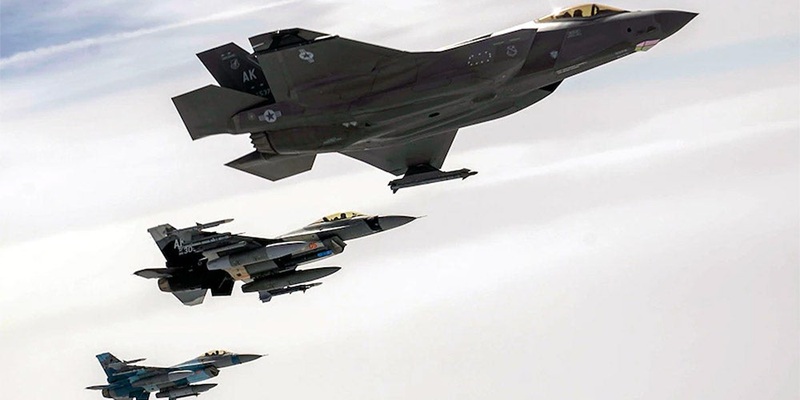
THIS DAWN — A significant buildup of Western military assets is underway in the Middle East, with both the United Kingdom and the United States moving additional air power into the region.

Both countries are significantly increasing their military presence in the Middle East since early 2026.
Escalating tensions with Iran and broader regional instability is evidently driving the military build-up, according to experts
The UK’s No. 12 Squadron Royal Air Force (RAF) has landed in Qatar, bringing four Typhoon fighter jets into theater.
The squadron’s arrival underscores Britain’s commitment to reinforcing allied presence in the Gulf at a time of heightened regional tensions.
U.S. Reinforcements via Ramstein
Meanwhile, the United States Air Force (USAF) has dispatched additional aerial refueling tankers toward Ramstein Air Base in Germany. The Air Base is a critical hub for staging and logistics.
These tankers are expected to support extended operations across the Middle East, enabling sustained sorties by U.S. and allied aircraft.
With these latest deployments, the combined tally of USAF and RAF aircraft now active in the region is estimated at 79.
This includes fighters, tankers, and support aircraft positioned across bases in Qatar, Germany, and other undisclosed locations.
Key Developments in the Middle East Military Build-Up
1. U.S. Redeployment of Forces
- On January 16, 2026, the U.S. began redeploying F-15E Strike Eagles from RAF Lakenheath in the UK to Jordan, signaling a shift in air power closer to potential conflict zones.
- The USS Abraham Lincoln, a nuclear-powered aircraft carrier, is transiting the Straits of Malacca, en route to the Middle East, reinforcing naval capabilities in the regio
- n.
- The U.S. military presence has surged to 40,000–50,000 troops across at least 19 locations, up from 34,000 before the Israel–Hamas conflict in late 2023.
Strategic Implications
Military analysts suggest the buildup signals preparations for major operational activity, though official statements remain limited.
The concentration of assets points to:
- Enhanced deterrence against regional adversaries
- Readiness for rapid strike missions if required
- Support for coalition operations in contested airspace
The presence of both RAF Typhoons and USAF tankers highlights the joint nature of Western military planning, ensuring interoperability and sustained reach across the Middle East.
Strategic Objectives
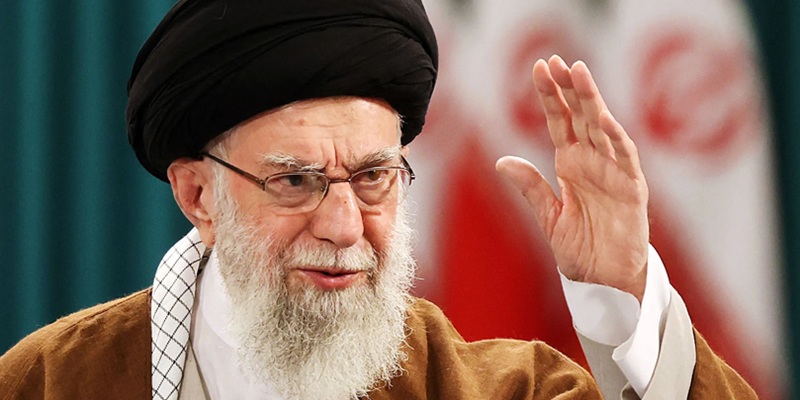
The buildup will expectedly deter Iran, especially amid its crackdown on anti-regime protests and threats to regional stability.
President Donald Trump has not ruled out a kinetic response to Iran’s leadership, raising the stakes for potential military engagement.
The U.S. and UK also focus on protecting maritime routes, countering drone and missile threats, and supporting allies like Israel and Saudi Arabia.
While specific UK deployments have not been detailed, British forces are reportedly supporting U.S. operations through intelligence sharing, naval coordination, and joint exercises.
The UK remains a key NATO partner in the region, with assets in Cyprus, Bahrain, and Oman contributing to surveillance and logistics.
Regional Stability in the Middle East
The buildup is seen as a response to Iran’s growing influence, including its support for proxy groups in Lebanon, Syria, Iraq, and Yemen.
It also reflects concerns over Red Sea shipping disruptions, where Houthi attacks have targeted commercial vessels.
The increased presence may challenge Russian and Chinese interests in the region, especially as both nations deepen ties with Iran.
Analysts warn of a potential arms race or escalation if diplomatic channels remain stalled.
Critics argue the buildup risks militarizing diplomacy and could provoke retaliation.
Supporters claim it’s necessary to restore deterrence and protect U.S. and allied interests.
What Comes Next
While neither London nor Washington has issued detailed explanations for the deployments, the scale and speed of the buildup suggest that “something big is brewing.”
Observers are closely watching for signals of forthcoming operations or escalations tied to ongoing regional disputes.
What to expect:
- Possible U.S. strikes on Iranian assets if provocations continue.
- Joint U.S.–UK naval drills in the Persian Gulf and Red Sea.
- Iran’s response, including cyber operations or proxy escalations.
- Congressional debates over war powers and defense spending.