TDThe U.S. State Department’s Rewards for Justice program has launched a high-profile appeal for information on senior figures within Iran’s Islamic Revolutionary Guard Corps (IRGC), underscoring its ongoing efforts to counter global terrorism.

In a post shared on its official handle @RFJ_USA, the program declared:
“Got information on these Iranian terrorist leaders? Send us a tip. It could make you eligible for a reward and relocation.”
The announcement noted that individuals who provide credible intelligence may qualify for rewards of up to $10 million, alongside relocation assistance to ensure their safety.
The IRGC leaders named in the appeal are accused of commanding and directing terrorist operations worldwide.
Among those identified are:
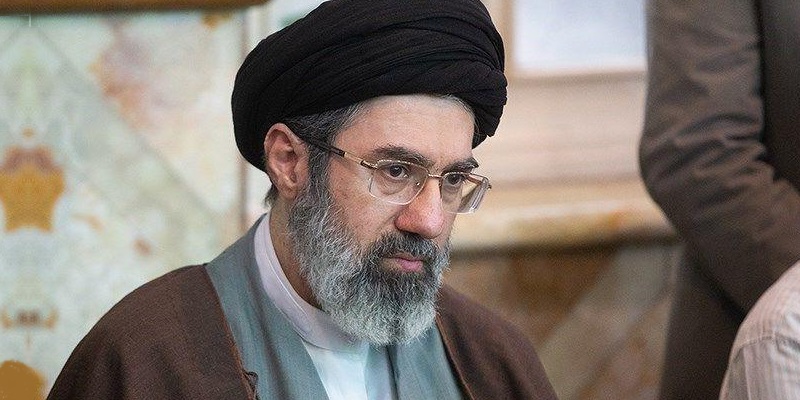
- Mojtaba Khamenei, son of the late Iran’s Supreme Leader;
- Ali Asghar Hejazi, Deputy Chief of Staff in the Supreme Leader’s Office;
- Maj. Gen. Yahya Rahim Safavi, a senior military advisor;
- Ali Larijani, a prominent political figure and advisor. Others listed include:
- Brig. Gen. Eskandar Momeni,
- Esmail Khatib, and.
- IRGC Commander himself.
See flyer below:

About the Rewards for Justice Program
The Rewards for Justice program, operated by the Diplomatic Security Service, has a long track record of disrupting terrorist networks by incentivizing public cooperation.
Since its inception in 1984, it has paid out hundreds of millions of dollars to individuals whose tips have led to the prevention of attacks, the capture of suspects, and the dismantling of extremist organizations.
Security analysts note that this latest appeal reflects Washington’s sharpened focus on Iranian-linked militant activity, particularly at a time of heightened tensions in the Middle East.
The IRGC had been designated as a foreign terrorist organization by the U.S. in 2019.
It was accused of orchestrating operations across multiple regions, including the Middle East, Africa, and beyond.
Officials stress that tips can be submitted securely through encrypted channels, including a Tor-based tipline and Signal, ensuring anonymity for informants.
The inclusion of relocation assistance is seen as a significant measure to reassure potential sources who may fear retaliation.
This announcement is part of a broader U.S. strategy to weaken the IRGC’s influence and disrupt its global networks.
By publicly naming high-ranking figures and offering substantial rewards, Washington aims to encourage insiders and international contacts to come forward with actionable intelligence.