TDTensions in the Middle East escalated sharply this week as the United States appeared to move closer to a major confrontation with Iran.

Reports indicate that hundreds of U.S. troops have been evacuated from military bases in Qatar and Bahrain, signaling preparations for possible military action.
At the same time, Russia announced readiness to evacuate its staff from Iran’s Bushehr nuclear plant.
The move underscores fears that the facility could become a target in any conflict.
Statements From Washington
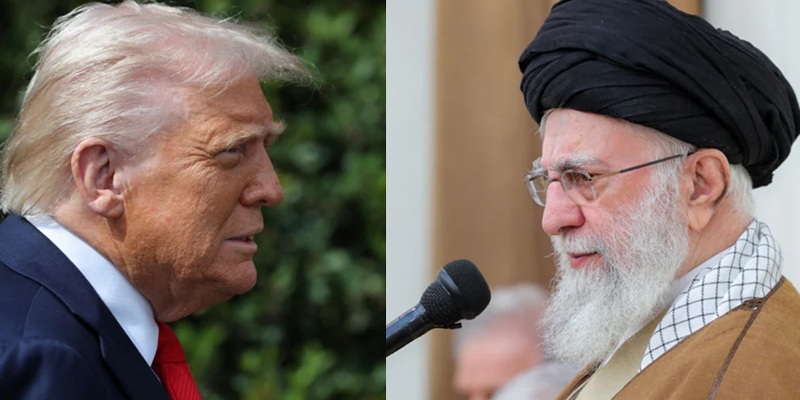
President Donald Trump delivered a series of stark warnings, declaring that Iran has 10 days to make a deal or “bad things” will happen.
Meanwhile, he insisted that negotiations are ongoing and “talks with Iran are going well”.
He also admitted he is considering a limited strike if no agreement is reached.
“We have to make a deal. Otherwise, it’s going to be very traumatic,” Trump said.
He stressing that a meaningful agreement must be reached to avoid escalation.
International Reactions
- Russia: Foreign Minister Sergey Lavrov reaffirmed that Iran has the right to uranium enrichment, aligning with Tehran’s position that enrichment is a sovereign right.
- Germany: Issued a travel advisory urging its citizens to leave Iran immediately.
- Italy: Prime Minister Giorgia Meloni stated, “We need to ensure Iran doesn’t acquire nukes,” calling for international vigilance.
- United Kingdom: Blocked U.S. requests to use British bases for strikes on Iran, signaling reluctance to be drawn into direct military action.
Domestic U.S. Political Response
Senator Lindsey Graham said it is his responsibility to “give Iranians the opportunity to construct a new Iran,” suggesting support for regime change.
Representative Thomas Massie announced he will force an emergency Congressional vote on war with Iran, pledging to oppose further military entanglement
“I will vote to put America first which means voting against more war in the Middle East, he said.
Implications
The convergence of military evacuations, diplomatic warnings, and political maneuvering points to a rapidly deteriorating situation.
Analysts warn that even a “limited strike” could spiral into a broader regional war, drawing in allies and adversaries alike.
The coming days will be critical as Iran weighs its response to U.S. ultimatums, while global powers scramble to prevent escalation.
Special Report Timeline of Escalation Toward U.S.–Iran Confrontation
Here’s a clear timeline of the key developments that show how the United States is moving closer to a major war with Iran:
Day 1: Military Preparations
- U.S. Troop Evacuations: Hundreds of American soldiers are pulled from bases in Qatar and Bahrain, signaling precautionary measures ahead of possible strikes.
- Russia’s Response: Moscow announces readiness to evacuate its staff from Iran’s Bushehr nuclear plant, highlighting fears that nuclear facilities could be targeted.
Day 2: Diplomatic Ultimatums
- President Trump’s Warning: Declares Iran has 10 days to make a deal or “bad things” will happen.
- Conditional Talks: Trump insists negotiations are ongoing but warns: “Otherwise it’s going to be very traumatic.”
- Limited Strike Considered: Confirms he is weighing a limited military strike if diplomacy fails.
Day 3: International Reactions
- Russia: Foreign Minister Lavrov defends Iran’s right to uranium enrichment, aligning with Tehran’s sovereignty claims.
- Iran: Reiterates enrichment is a sovereign right and non-negotiable.
- Germany: Urges its citizens to leave Iran immediately amid rising tensions.
- Italy: PM Giorgia Meloni stresses: “We need to ensure Iran doesn’t acquire nukes.”
- United Kingdom: Blocks U.S. requests to use British bases for strikes, signaling reluctance to join military action.
Day 4: U.S. Political Divide
- Senator Lindsey Graham: Frames confrontation as an opportunity to “give Iranians the chance to construct a new Iran,” hinting at regime change ambitions.
- Rep. Thomas Massie: Announces he will force an emergency Congressional vote on war with Iran, pledging to oppose escalation:
“I will vote to put America first which means voting against more war in the Middle East.”
What to Expect
Military Readiness: Evacuations and strike planning suggest Washington is preparing for rapid escalation.
Diplomatic Breakdown: Ultimatums and conflicting international positions reduce chances of a peaceful resolution.
Global Fallout: Allies are split — some urging restraint, others pressing for tougher measures.
Domestic Division: U.S. lawmakers are deeply divided, with some pushing for confrontation and others warning against another Middle East war.
This timeline shows how quickly the situation has escalated from troop movements to ultimatums, international warnings, and political maneuvering.