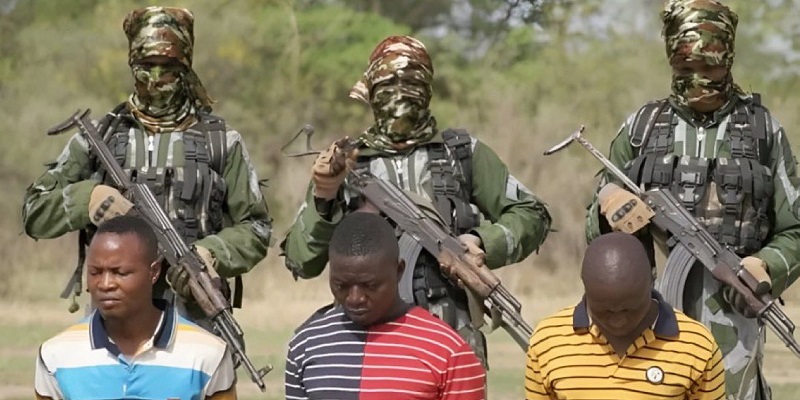
THIS DAWN — Nigerians have raised alarm over reports that Katsina State Government is finalizing plans to release so-called “repentant terrorists” in various detention facilities.

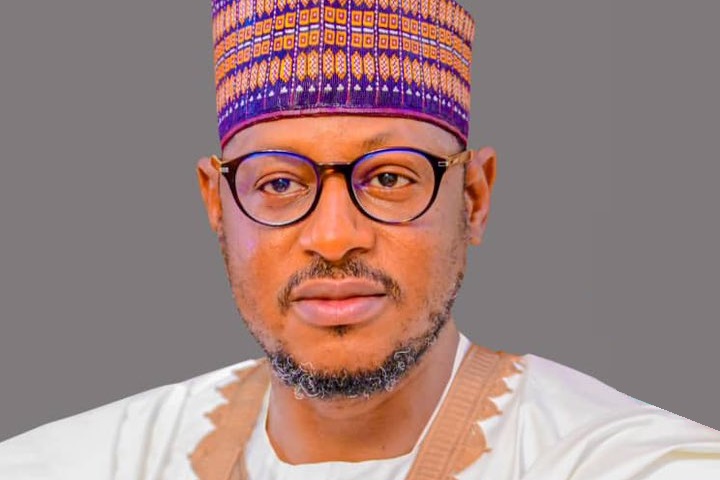
The Commissioner for Internal Security and Home Affairs in Katsina State, Nasir Muazu, defended the planned release of the 70 individuals (described as suspected bandits or “repentant” ones) in several interviews.
He framed it as a strategic step to sustain and consolidate ongoing peace agreements with armed terrorists operating in the state.
Key Points from His Statements:
- The move is intended to consolidate peace agreements already reached between affected communities and repentant bandits across multiple (at least 15) local government areas in the state, such as Sabuwa, Safana, Kurfi, Faskari, Danmusa, Bakori, Dutsinma, and others.
- The broader peace deal has produced tangible results, including the release of over 1,000 abducted victims by the armed groups.
He provided specific examples:
-
- Safana LGA: 36 persons released
- Kurfi LGA: 42 persons released
- Sabuwa LGA: 310 persons released
- Faskari LGA: 36 persons released
- Danmusa LGA: 60 persons released (And similar releases in other areas)
- He likened the release of the 70 detained suspects to a “prisoner exchange” common in wartime or conflict situations globally (including historical examples like Nigeria’s civil war or Boko Haram negotiations).
In his words: “Both warring groups have prisoners they set free for the other.
“So, it is not an issue of whether an offence had been committed or not, so long as there is peace.
“The issue is that prisoner exchange is not a new thing in the history of war and peace.”
- Muazu emphasized that the process is fully within the law, referencing actions by the Ministry of Justice and courts under Section 371(2) of the Administration of Criminal Justice Law of Katsina State, 2021.
He added that anyone dissatisfied with the decision is free to seek redress through the courts.
Widespread Public Criticism
These comments came amid widespread public criticism following a leaked government document requesting judicial intervention to facilitate the releases.
Muazu’s shared his explanations in interviews, including with DCL Hausa and reported across Nigerian media outlets.
Nigerians on social media, particularly on X (formerly Twitter), have reacted strongly to these reports.
The responses are predominantly negative, reflecting widespread outrage, skepticism, and concern over potential security implications.
While some express outright anger and call for accountability, others highlight perceived hypocrisy or frustration with government policies on terrorism.
Below is a compilation of key reactions, categorized for clarity, drawn from recent X posts.
These capture a range of sentiments, though supportive voices for the release appear minimal in the sampled discussions.
Outrage and Condemnation
Many Nigerians voiced strong disapproval, viewing the release as an endorsement of terrorism and a betrayal of victims and security forces.
One user questioned the value of military sacrifices: “What’s the point of y’all efforts and sacrifices when Katsina state is about to release 70 high-profile terrorists back to the community?”
Another, @0oni0fIfe, described it as “state-sponsored moral hazard,” arguing:
“So after years of bloodshed, kidnappings and mass graves, the reward is… freedom?
Victims get trauma, communities get graves.
Bandits get negotiations, photo-ops, and release papers.
If crime pays this well, who still needs honest work?”
A post by @mobilisingniger raised alarms about public safety:
“This post is to alert the whole country… that Katsina state… is planning to release 70 KILLER TERRORISTS back into the community to kidnap, murder and slaughter innocent people.”
Similar sentiments by @KizyUzoma echoed in calls for international attention, tagging U.S. officials like @POTUS.
Frustration with northern leadership was evident:
“Katsina State wants to release 70 terrorists in the name of a peace deal.
Stupid decisions like this are exactly why the South feels justified in saying banditry in the North is being sponsored by some northern elites.
Kai, this is really making me angry tonight.”
Skepticism and Concerns About Recidivism
Several reactions, such as @Waspapping_, expressed doubt about the “repentance” of the individuals and warned of potential repeat offenses, drawing on historical examples.
One user noted:
“70 arrested terrorists not repentant. Their buddies in the forest told the government to free them, and like a good boy the government said; yes sir!”
Another, @MaziOkigbo, referenced past failures:
“Katsina state government has announced that they are releasing 70 bandits in the name of a peace deal.
“If we visit history, you will understand that terrorists don’t repent.
“A Boko haram member in Goza, Borno state, was rehabilitated… but after a few days, he killed his parents… and went back to the same Boko Haram members.”
Calls for accountability included @Isamaila007:
“Releasing 70 suspected bandits in the name of ‘peace deal’ is not governance — it’s appeasement of terror.
“Victims are buried, criminals are freed. If Katsina can’t prosecute them, move them to Abuja prisons.
Justice must not negotiate with bloodshed.”
A broader critique, @SirOdigie, linked it to national failures:
“The government is actively aiding terrorists, pardoning terrorists and colluding with terrorists to kill, rampage, kidnap and wreck the lives of the citizens.”
Perceived Hypocrisy and Broader Frustrations
Some reactions tied the decision to larger issues of ethnic or regional bias in handling terrorism.
One post highlighted double standard:
“Katsina State Government to free 70 Fulani Terrorists in Peace deal. Mazi Nnamdi Kanu kept in Prison for calling out atrocities of same Terrorists.”
Another, @Unclechike1, drew parallels:
“TRAGIC INFORMATION: Katsina State Governments under the leadership of Governor DIKKO RADDA is ready to release 70 detained terrorists.
This further proves that Nigeria is losing the war against terrorism and our leaders are bereft of ideas to solve the security challenges.”
@xagreat raised concerns about undermining military efforts:
“Katsina state govt is set to release 70 terrorists that our soldiers fought tirelessly & arrested them in action…
Their justification for their release is that they’re now repentant terrorists.”
A user, @AzeezOpeQuadri, called it an “affront” to victims:
“It is now obvious that some state governments in the north are deliberately frustrating the efforts of the federal government to end terrorism in Nigeria…
Instead of the state government to rehabilitate victims of terrorism the state is choosing to pamper killers.”
Limited Support or Neutral Views
While the majority of reactions were critical, a few indirectly acknowledged the government’s intent for peace, though often with sarcasm or resignation.
For instance, one post framed Nigeria as a “failed State” in explaining the decision, without explicit endorsement.
Others focused on related successes, like military operations against bandits, but did not directly praise the release.
Overall, positive reactions supporting the peace deal as a viable strategy were scarce in the public discourse.
These reactions highlight deep divisions and a lack of trust in the government’s approach to terrorism rehabilitation, calling for stronger federal intervention and justice for victims dominating the conversation.