TDThe United Kingdom has raised the stakes in the escalating Middle East crisis, warning that it could join military action against Iran if British lives and assets continue to be endangered.

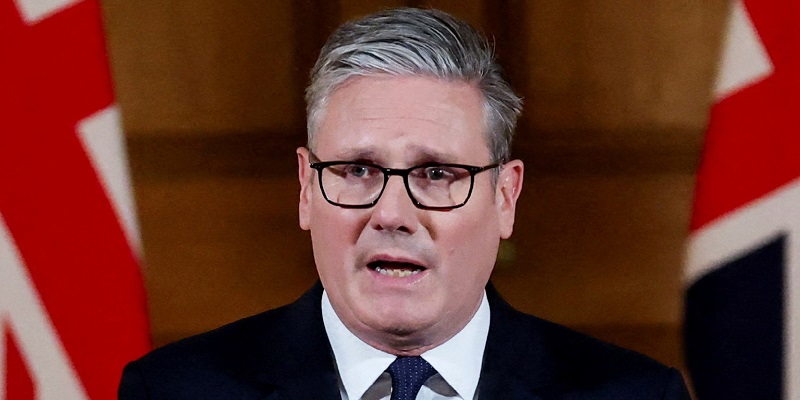
Prime Minister Keir Starmer announced that Britain has authorized the United States to launch defensive strikes on Iranian missile sites from UK bases.
The authorization underscores London’s determination to protect its citizens amid Tehran’s retaliatory attacks.
Britain’s Position: Defensive but Firm
Starmer clarified that the UK was not involved in the initial U.S.-Israeli strikes that targeted Iran’s leadership.
However, he emphasized that Britain could not remain passive in the face of Iranian aggression.
“It is my duty to protect British lives from Tehran’s scorched earth strikes,” the Prime Minister said.
He stressed that Britain’s role would be limited to defensive measures rather than offensive operations.
The announcement comes as Iran has intensified attacks on airports, hotels, and other facilities where British nationals are present.
With an estimated 200,000 Britons in the region, the government has urged citizens to register their presence and follow Foreign Office travel advisories.
European Powers Close Ranks
Britain’s warning was echoed by France and Germany, which joined in a joint statement pledging to coordinate closely with the U.S. and regional allies.
The three European powers condemned Iran’s “reckless” strikes against Western targets, including drone and missile attacks on bases housing allied personnel.
Their declaration emphasized the need to protect citizens and maintain stability in the region.
Analysts say this alignment marks a significant moment of European unity, signaling to Tehran that its actions will not go unanswered.
Domestic Debate in the UK
The government’s stance has sparked debate at home.
Critics warn that Britain risks being “sucked into another Middle East war,” drawing parallels with past interventions in Iraq and Afghanistan.
Opposition figures argue that the UK should avoid entanglement in conflicts driven by U.S. and Israeli interests.
On the other hand, Reform UK leader Nigel Farage criticized the government for not joining offensive operations.
Farage insisted that Britain should stand firmly with Washington and Tel Aviv.
The divide reflects broader tensions in British politics over foreign policy and military engagement.
Strategic Calculations
Britain’s threat to join the war is shaped by several factors:
- Direct Threats to Citizens: Iranian strikes have endangered British nationals abroad, compelling London to act.
- Alliance Obligations: As a longstanding U.S. ally, Britain is under pressure to provide operational support.
- Regional Stability: Unchecked Iranian aggression threatens global security and energy markets, with direct implications for Europe.
Security experts note that Britain’s cautious approach — authorizing defensive action but resisting offensive engagement — reflects lessons from past conflicts.
Starmer’s balancing act seeks to protect citizens while avoiding the political fallout of deeper military involvement.
Implications for Global Security
The UK’s involvement, even in a defensive capacity, signals growing Western unity against Iran.
With France and Germany also pledging support, Tehran faces mounting pressure from a coalition of major powers.
This alignment could deter further Iranian strikes but also risks deepening the conflict if Tehran escalates in response.
For Britain, the decision highlights its dual priorities: safeguarding citizens abroad and maintaining credibility as a global security actor.
Whether this limited engagement evolves into deeper military involvement remains uncertain, but the threat alone underscores the gravity of the crisis.