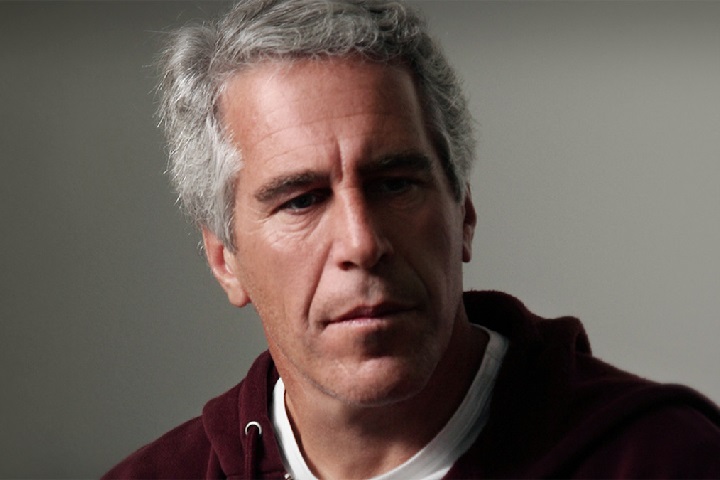
THIS DAWN — The United States Department of Justice (DOJ) has released nearly 30,000 additional pages of documents connected to the late financier Jeffrey Epstein, marking one of the largest disclosures yet in the long-running saga surrounding his criminal activities and associations. The release, announced on December 22, 2025, underscores the DOJ’s stated commitment to transparency and legal accountability, even as it seeks to protect the privacy of Epstein’s victims.

A Massive Document Dump
The newly released trove adds to the already substantial body of records made public in recent years, including court filings, investigative reports, and correspondence. According to DOJ officials, the documents were reviewed and redacted to ensure compliance with federal privacy laws and victim protection statutes.
“This release reflects our ongoing commitment to transparency and the rule of law,” a DOJ spokesperson said. “We are mindful of the need to balance public interest with the rights of victims, and all necessary safeguards have been applied.”
Controversial Claims Against President Trump
Among the documents are submissions made to the FBI in the run-up to the 2020 U.S. presidential election. Some of these filings contain sensationalist allegations against President Donald Trump. The DOJ emphasized that these claims are unfounded and false, noting that they were never substantiated and did not form part of any credible investigation.
Officials stressed that if the allegations had contained any verifiable evidence, they would have been weaponized politically during the election. Their inclusion in the release, the DOJ explained, is a matter of legal transparency rather than validation.
“The fact that these claims were submitted does not confer legitimacy,” the DOJ statement clarified. “They remain untrue, and their disclosure is part of our obligation to release records, not an endorsement of their content.”
Broader Context of the Epstein Case
Jeffrey Epstein, a financier with extensive social and political connections, was arrested in 2019 on federal charges of sex trafficking minors. He died in jail later that year under circumstances that sparked widespread speculation and conspiracy theories. Since then, the DOJ and other agencies have faced mounting pressure to disclose records related to Epstein’s activities, associates, and the scope of investigations.
The latest release is expected to fuel renewed public scrutiny, particularly given the high-profile names that have surfaced in previous disclosures. However, officials caution that many of the documents contain unverified claims, rumors, or submissions from third parties, underscoring the need for careful interpretation.
Political and Public Reactions
The inclusion of false claims against President Trump has already generated political debate. Supporters of the president argue that the release vindicates him by demonstrating that allegations lacked credibility. Critics, meanwhile, contend that the sheer volume of documents highlights the need for independent oversight of how sensitive information is handled.
Civil society groups have welcomed the disclosure as a step toward transparency but urged caution in interpreting the material. “The public deserves access to these records, but we must remember that not everything in them is factual,” said one advocacy group. “Victims’ voices and verified evidence should remain the focus.”
Transparency vs. Privacy
The DOJ’s balancing act between transparency and victim protection remains a central theme. Officials confirmed that all documents were reviewed to remove identifying details of victims and sensitive personal information. This approach, they argue, ensures accountability without retraumatizing survivors.
Legal experts note that such large-scale disclosures are rare, particularly in cases involving high-profile individuals and sensitive allegations. The move reflects both public demand for openness and institutional efforts to restore trust in the justice system.
Conclusion
The release of nearly 30,000 pages of Epstein-related documents marks a significant moment in the ongoing effort to shed light on one of the most notorious criminal cases of recent decades. While the inclusion of false claims against President Trump underscores the complexities of transparency, the DOJ insists that its priority remains adherence to the law and protection of victims.
As analysts and the public sift through the documents, the challenge will be distinguishing fact from fiction, ensuring that the pursuit of truth does not come at the expense of justice or privacy.