The effort marks a significant escalation in President Trump’s immigration crackdown.

Policy Expansion
According to officials, the Department of Homeland Security (DHS) and the Department of Justice (DOJ) are coordinating to identify cases where naturalized citizens may have concealed information during their immigration process.
The administration argues that such concealment constitutes fraud and provides grounds for denaturalization.
The initiative builds on earlier efforts by the Trump administration to strengthen vetting procedures and expand the scope of investigations into naturalization records.
Officials say the program will prioritize individuals suspected of links to criminal activity, terrorism, or immigration fraud.
Background
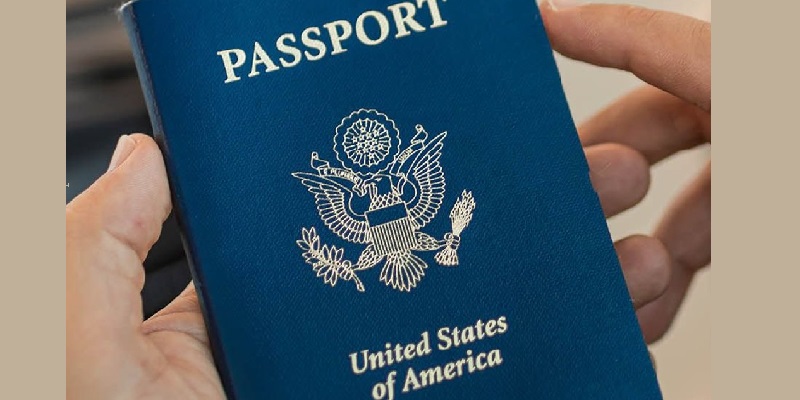
Revocation of citizenship, known legally as denaturalization, has historically been rare in the United States.
Previous administrations used it sparingly, often in cases involving war crimes or terrorism.
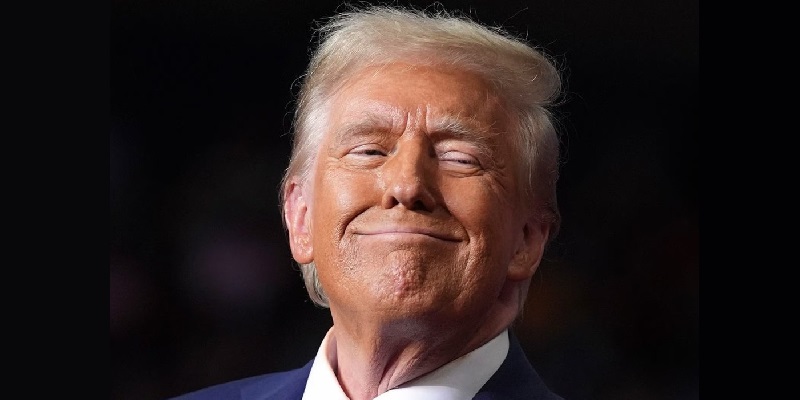
However, Trump’s team has sought to broaden its application.
The team frames it as a tool to protect national security and uphold the integrity of the immigration system.
Critics argue that the expansion risks targeting immigrants unfairly and could create a chilling effect among foreign‑born communities.
Civil rights groups warn that the policy may disproportionately affect minorities and undermine the principle of equal protection under the law.
Reactions
Immigrant advocacy organizations have condemned the move, describing it as part of a broader agenda to marginalize foreign‑born citizens.
Legal experts caution that widespread denaturalization could face constitutional challenges, particularly under the 14th Amendment, which guarantees citizenship rights.
Supporters of the policy, however, insist that it is necessary to safeguard national security and ensure that citizenship is not obtained through deception.
Implications
- Legal: The expansion could lead to a surge in denaturalization cases, testing the limits of U.S. immigration law.
- Political: The move is likely to intensify debates over immigration policy ahead of the 2026 midterm elections.
- Social: Foreign‑born communities may feel heightened insecurity, with fears that citizenship could be revoked decades after naturalization.
This development underscores the Trump administration’s hardline stance on immigration and signals a new phase in its efforts to reshape U.S. citizenship policy.