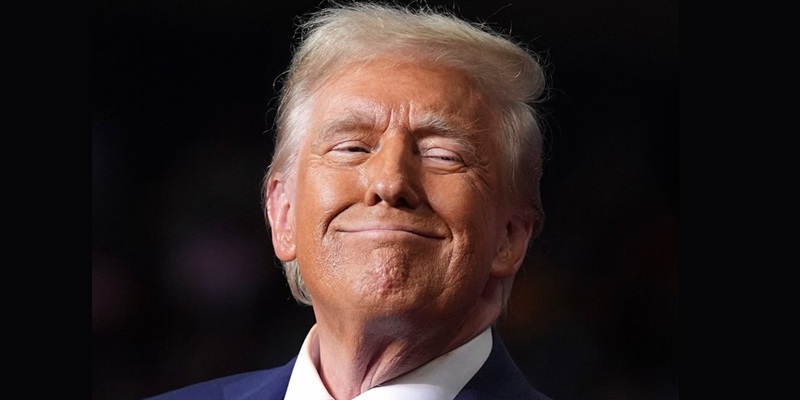
TDU.S. President Donald J. Trump declared that the United States and Iran have engaged in what he described as “very good and productive conversations” aimed at resolving hostilities in the Middle East.

In a statement posted online, Trump emphasized the constructive nature of the talks:
“I am pleased to report that the United States of America, and the country of Iran, have had, over the last two days, very good and productive conversations regarding a complete and total resolution of our hostilities in the Middle East…
“I have instructed the Department of War to postpone any and all military strikes against Iranian power plants and energy infrastructure for a five-day period, subject to the success of the ongoing meetings and discussions.”
Trump’s remarks suggested that Washington was considering a temporary pause in military escalation, framing the talks as a potential turning point toward de-escalation.

Tehran’s Response: Firm Denial
Within hours, Iran’s Foreign Ministry issued a categorical rejection of Trump’s claims.
Officials in Tehran insisted that no negotiations were underway.
The officials portrayed the U.S. president’s statement as a political maneuver designed to influence global energy prices and buy time for military planning.
The statement reads: “There are no negotiations between Tehran and Washington.
“The statements by the U.S. president are part of an effort to lower energy prices and buy time for implementing his military plans.”
Key points from Iran’s rebuttal included:
- No negotiations: Iran maintains that it will not engage in talks with Washington until its strategic objectives in the conflict are met.
- Retreat, not progress: Trump’s words were described as a retreat from earlier threats, but not a substantive shift in U.S. policy.
- Strait of Hormuz stance: Iran reaffirmed its position that the strait will remain closed to nations it considers aggressors, underscoring its leverage over one of the world’s most critical energy chokepoints.
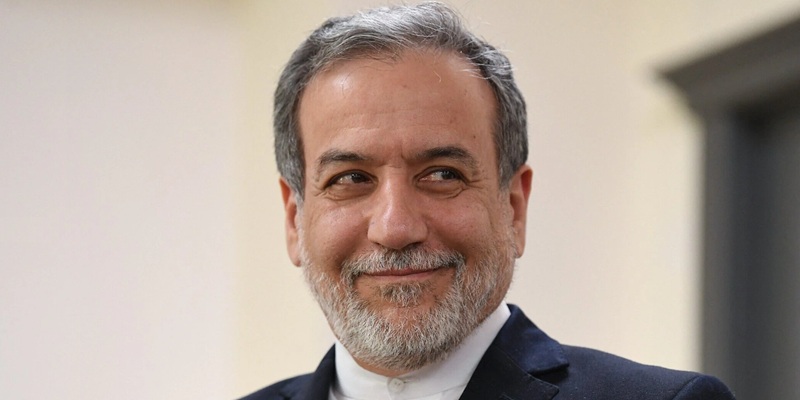
Iran said that it will adhere to its position to reject any kind of negotiations before achieving its goals from the war.
It noted that while Trump’s words are a retreat from his previous threats, the Iran remains committed to all its declared positions.
It insisted that its position regarding the Strait of Hormuz has not changed, and that the strait will remain closed to aggressors.
Analysis: A Clash of Narratives
The starkly different accounts from Washington and Tehran underscore the deep mistrust and strategic rivalry between the two nations.
Trump’s portrayal of constructive dialogue contrasts sharply with Iran’s outright denial, leaving observers uncertain about the true state of U.S.-Iran relations.
This episode reflects broader dynamics:
- Energy markets at stake: Any suggestion of negotiations or military action directly impacts global oil prices, making both sides’ statements highly consequential.
- Military brinkmanship: Trump’s mention of postponing strikes highlights the ongoing threat of escalation, even as he frames it as a gesture of restraint.
- Diplomatic isolation: Iran’s refusal to acknowledge talks signals its determination to resist U.S. pressure, while also projecting strength to domestic and regional audiences.
Broader Context
The U.S.-Iran relationship has long been defined by cycles of confrontation and cautious engagement. Key flashpoints include:
- Sanctions and economic pressure: Washington’s sanctions have severely impacted Iran’s economy, fueling tensions.
- Military incidents: Clashes in Iraq, Syria, and the Persian Gulf have repeatedly brought the two nations to the brink of open conflict.
- Strait of Hormuz disputes: Control over this vital waterway remains a central issue, with Iran using it as a bargaining chip in its regional strategy.
The conflicting statements from Trump and Iran highlight the fragile and volatile nature of Middle East diplomacy.
Whether this episode represents genuine progress toward de-escalation or simply political theater remains unclear.
What is certain is that both Washington and Tehran are leveraging their narratives to shape global perceptions, with energy markets and regional stability hanging in the balance.