THIS DAWN — A series of high-level engagements between the Nigerian government and the State of Israel has triggered alarm among civil society groups, religious leaders, and foreign policy analysts.

The Centre for Democratic Development Research and Training (CEDDERT), based in Zaria, Nigeria, has issued a strongly worded statement respecting the pact.
CEDDERT condemned what it describes as a betrayal of Nigeria’s historic commitment to justice, religious pluralism, and anti-oppression diplomacy.
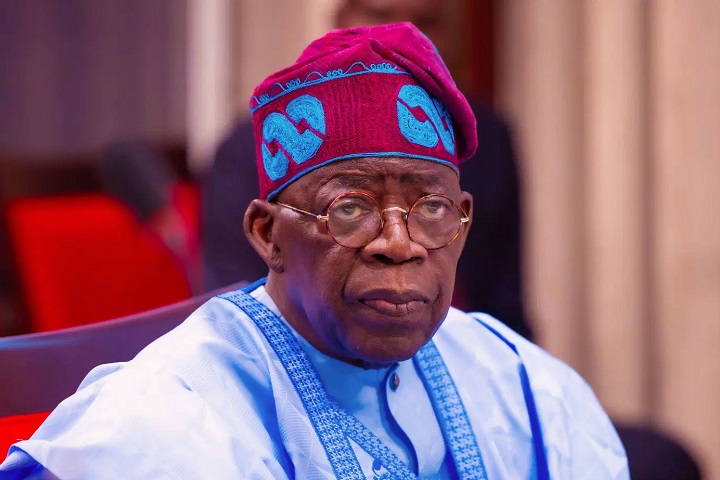
The group warned that President Bola Ahmed Tinubu’s growing alliance with Israel risks destabilizing Nigeria’s fragile domestic landscape.
It also raised concerns that it might undermine Nigeria’s sovereignty.
The Pact and Its Provisions
CEDDERT’s statement outlines a timeline of diplomatic and security agreements between Nigeria and Israel from May 2023 to December 2025.
The most notable development occurred on August 22, 2025, when Nigeria’s Minister of State for Foreign Affairs, Ambassador Bianca Ojukwu, signed a Security Cooperation Agreement with Israel’s Deputy Foreign Minister, Sharren Haskel-Harpaz.
The agreement includes provisions for intelligence sharing, counter-terrorism training, and expanded military collaboration.
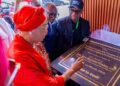
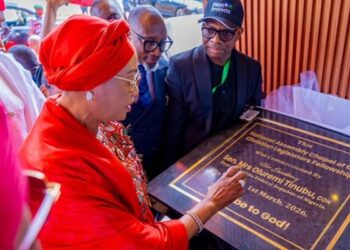
In addition, First Lady Senator Oluremi Tinubu announced a partnership with Israel’s Ambassador to Nigeria, Michael Freeman.
The deal was to establish thirty “innovation centres” for Nigerian women, framed as empowerment hubs.
Critics, however, argue that they serve as soft diplomacy tools to deepen Israeli influence in Nigeria’s domestic affairs.
Moral and Strategic Concerns
CEDDERT’s critique is rooted in Nigeria’s historical foreign policy, which once championed anti-apartheid movements and aligned with oppressed peoples globally.
The organization argues that Tinubu’s administration has abandoned this legacy by aligning with Israel—a country widely criticized for its treatment of Palestinians and destruction of Christian heritage sites.
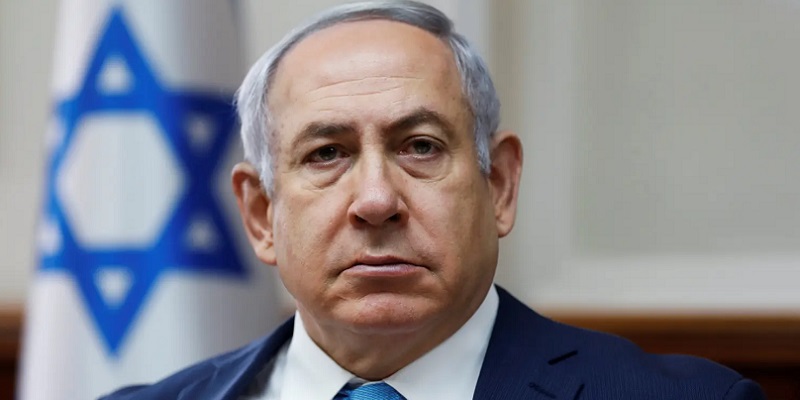
The statement highlights recent remarks by Israeli Prime Minister Benjamin Netanyahu, who pledged to “protect Christians in Nigeria.”
CEDDERT views this as a dangerous oversimplification of Nigeria’s complex religious dynamics and a violation of its secular constitutional identity.
The group warns that framing Nigeria’s internal security challenges as religious persecution opens the door to foreign intervention under the guise of humanitarian protection.
Gaza Crisis and Global Condemnation
CEDDERT’s statement draws a direct link between Nigeria’s alignment with Israel and the ongoing humanitarian crisis in Gaza.
Since October 2023, Israel’s military campaign has displaced nearly 90% of Gaza’s population, with over 71,000 reported deaths—mostly women and children. The document cites statements from Israeli officials advocating siege tactics and denying humanitarian aid, which genocide scholars have labeled as textbook examples of genocidal violence.
At a time when South Africa is leading proceedings against Israel at the International Court of Justice, and much of the Global South has condemned Israel’s actions, Nigeria’s deepening ties with Tel Aviv are seen as morally and diplomatically isolating.
Sovereignty and External Influence
CEDDERT warns that Nigeria’s foreign policy is increasingly shaped by external actors, particularly the United States and Israel.
The statement criticizes the “triangular relationship” between Abuja, Washington, and Tel Aviv, suggesting that Nigeria’s security doctrine is being outsourced to foreign powers.
This, the group argues, compromises Nigeria’s sovereignty and risks importing foreign conflicts into an already volatile domestic environment.
The bombing of locations in Sokoto—a predominantly Muslim state and seat of the Caliphate—is cited as evidence of the dangers of sectarian framing.
The group fears that external actors may exploit religious narratives to justify military actions on Nigerian soil, especially during symbolically charged periods like Christmas.
Call to Action
CEDDERT concludes its statement with a direct appeal to President Tinubu to reverse course.
It urges the administration to restore Nigeria’s role as a principled and respected actor in the international community, grounded in justice, pluralism, and sovereignty.
The group warns that failure to do so could deepen Nigeria’s internal divisions and erode its global standing.
The Centre for Democratic Development Research and Training’s condemnation of Nigeria’s growing alliance with Israel reflects broader anxieties about the country’s foreign policy direction under President Tinubu.
As Nigeria navigates complex domestic challenges, its international alignments carry profound implications for national unity, sovereignty, and moral leadership.
The call to reassess these ties is not just about diplomacy—it’s about preserving Nigeria’s identity and role in the global community.