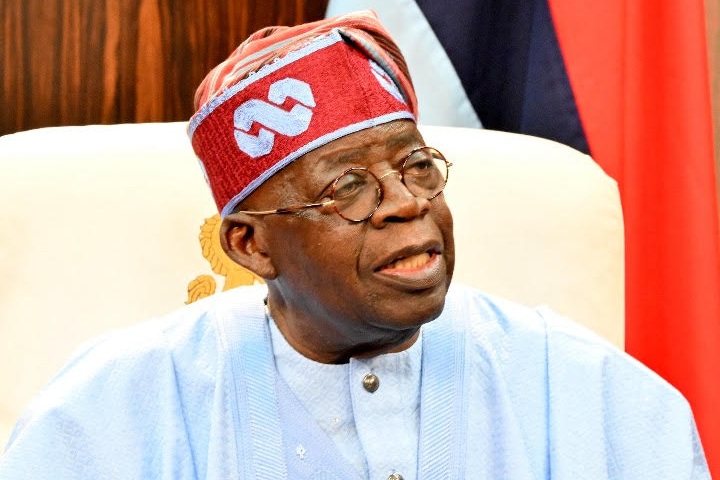
THIS DAWN — President Bola Ahmed Tinubu has formally requested the approval of the Senate for the deployment of Nigerian troops to the Republic of Benin, following last week’s attempted coup that briefly destabilised the neighbouring country.

The request was conveyed in an official letter read on the floor of the upper chamber by Senate President Godswill Akpabio during plenary on Tuesday.
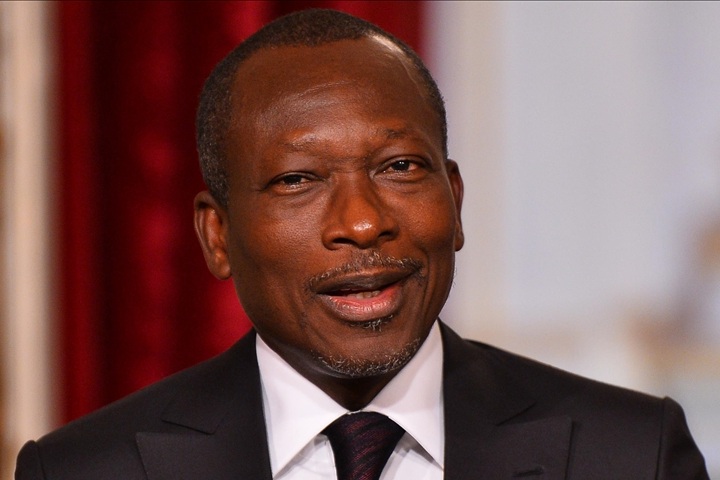
Nigerian fighter jets and a contingent of ground personnel were earlier deployed to Benin at the request of President Patrice Talon to help restore constitutional order.
Tuesday’s communication marks the first formal move by the President to secure legislative backing, in line with constitutional provisions governing military engagements outside Nigeria’s borders.
According to Akpabio, Tinubu’s letter emphasised that the deployment is part of Nigeria’s obligations under regional security frameworks, especially the ECOWAS Protocol on Democracy and Good Governance.
The Protocol mandates member states to defend democratic institutions and reject unconstitutional changes of government.
Tinubu, who also serves as Chairman of ECOWAS, noted the instability in Benin.
He said it poses a direct threat to Nigeria’s national security and economic interests, particularly along the shared borders plagued by smuggling networks and extremist activities.
Pros and cons of the deployment
The President explained that the intervention in Benin was triggered by two urgent requests from Cotonou, including military air support to secure national institutions and ground forces to reinforce loyal troops.
Nigerian forces, working under Beninese coordination, helped dislodge the coup plotters who had seized the national television station and attempted to topple Talon’s administration.
Senators are expected to debate the request in the coming days, with early indications pointing toward bipartisan support.
Some lawmakers, though, have raised concerns about overstretching the military at a time Nigeria faces persistent insecurity at home.
A few northern and southern senators have privately questioned whether Nigeria should assume the role of a regional “policeman”.
Meanwhile, banditry, terrorism, and separatist violence remain unresolved domestically.
However, supporters of the request argue that a destabilised Benin would worsen Nigeria’s internal security by enabling arms trafficking, illegal migration, and infiltration by extremist groups.
They also frame the move as a necessary step to prevent another domino effect of coups in West Africa.
The Senate is expected to reach a decision before the end of the week.
It will marking a critical moment in Nigeria’s evolving posture as a defender of democratic values in the region.