TDPresident Bola Ahmed Tinubu has promised to review tariffs affecting Nigeria’s media industry, pledging to empower the sector to better fulfill its constitutional role in democracy and national development.

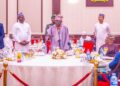
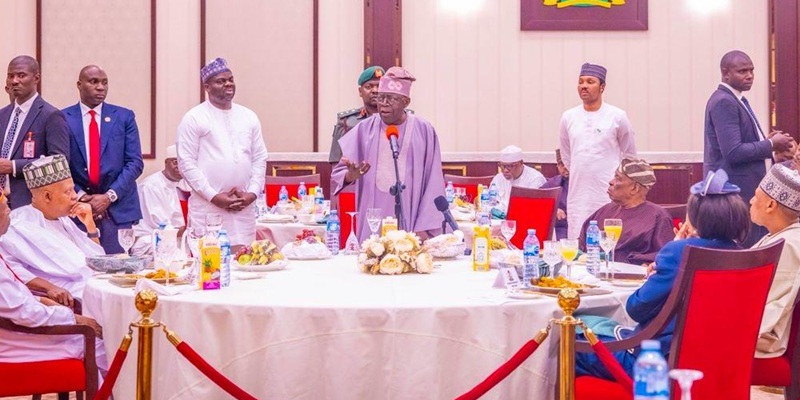
The President made the commitment on Friday at the State House during a meeting with leaders of the Nigerian Press Organisation (NPO), Newspaper Proprietors Association of Nigeria (NPAN), Broadcasting Organisation of Nigeria (BON), Nigerian Guild of Editors, and the Nigerian Union of Journalists.
The gathering brought together the country’s most influential media stakeholders to discuss challenges facing the industry and its role in shaping Nigeria’s future.
Tinubu praised the media for its contributions to informing citizens, sustaining livelihoods, and providing employment opportunities for thousands of Nigerians.
He acknowledged the difficult economic reforms his administration has undertaken to stabilize the nation, remarking:
“Leadership must, as a matter of responsibility, make decisions at the best time.
Yes, I accepted my predecessor’s assets and liabilities because I applied for the job and was given the job.
So I have to do it. But if anybody tells you it’s easy, it’s a lie.”
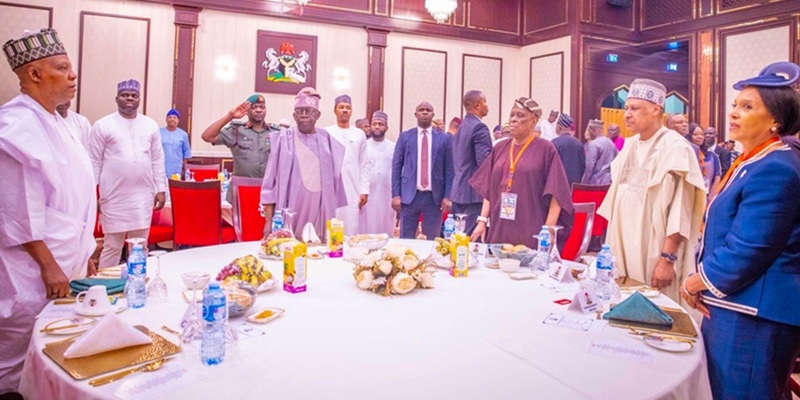
The President noted that while his government had already discussed tariff issues with media leaders, he would revisit any areas where action was overlooked.
He emphasized that constructive criticism from the press was vital, but urged journalists to also hold state and local governments accountable, especially as federal reforms have increased allocations to subnational entities.
Minister of Information and National Orientation, Mohammed Idris, reinforced the President’s message, describing Tinubu as resilient and visionary.
He urged media practitioners to continue discharging their constitutional duties responsibly, while ensuring accountability across all levels of government.
Veteran journalist and NPAN Grand Patron, Aremo Olusegun Osoba, commended Tinubu’s bold economic reforms, including the establishment of the Nigeria Revenue Service and the National Single Window policy.
He argued that these initiatives would significantly enhance Nigeria’s revenue profile and strengthen fiscal transparency.
Frank Aigbogun, publisher of BusinessDay and president of the NPO, raised pressing concerns about import tariffs on newsprint and broadcast equipment, which he said were stifling the industry.
He also warned of the growing threat posed by big tech companies that use Nigerian editorial content without compensation.
He stressed that such practices endanger jobs and the sustainability of journalism in the country.
The meeting highlighted the administration’s recognition of the media as a critical partner in governance and national development.
By promising to address tariffs and encouraging collaboration, President Tinubu signaled his intent to strengthen the industry’s capacity to inform, educate, and hold leaders accountable — a cornerstone of Nigeria’s democratic process.